Shade Sails
A shade sail is the cheapest square foot of shade you can buy and the one most likely to fail in year two — almost always at the corner, almost always because of the hardware rather than the fabric.
We compare published manufacturer specifications, warranty terms and owner-reported failure modes. We have not physically tested these structures. How we judge shade structures
Slat & Shade earns a commission on qualifying purchases made through links on this page. It costs you nothing extra and never changes what we recommend. Full disclosure
A shade sail is the cheapest square foot of shade you can buy and the one most likely to fail in year two — almost always at the corner, almost always because of the hardware rather than the fabric.
The short answer
Choose a shade sail by fabric weight and edge construction, not by size or color. Published specs among the sails we track run 180 to 260 GSM, with UV block from 90% to 95% and warranties from three to seven years. The heaviest fabric with a cable-reinforced edge and 316 stainless fixings is the combination that survives.
Our picks in this category
Each of these is a full roundup with the durability table, the ranked picks and the models we rejected. The top pick from each is shown here so you can act on it without reading the whole page first.
Best Shade Sail
The best shade sails
Shade sails compared on published fabric weight, UV block, edge construction and warranty length.
Our top pick
ColourTree Rectangle Sun Shade Sail, 190 GSM
3 years under normal weather and usage warranty
Best for High Wind
The best shade sails for high winds
What helps a shade sail survive wind — edge construction, breathability and hardware, since no wind figures exist.
Our top pick
Windscreen4less Cable Shade Sail, 260 GSM
7 years under normal weather conditions warranty
Best Waterproof
The best waterproof shade sails
Waterproof sails compared, how steeply to pitch one, and when a breathable mesh is the better choice.
Our top pick
Windscreen4less Waterproof Shade Sail
3 years warranty
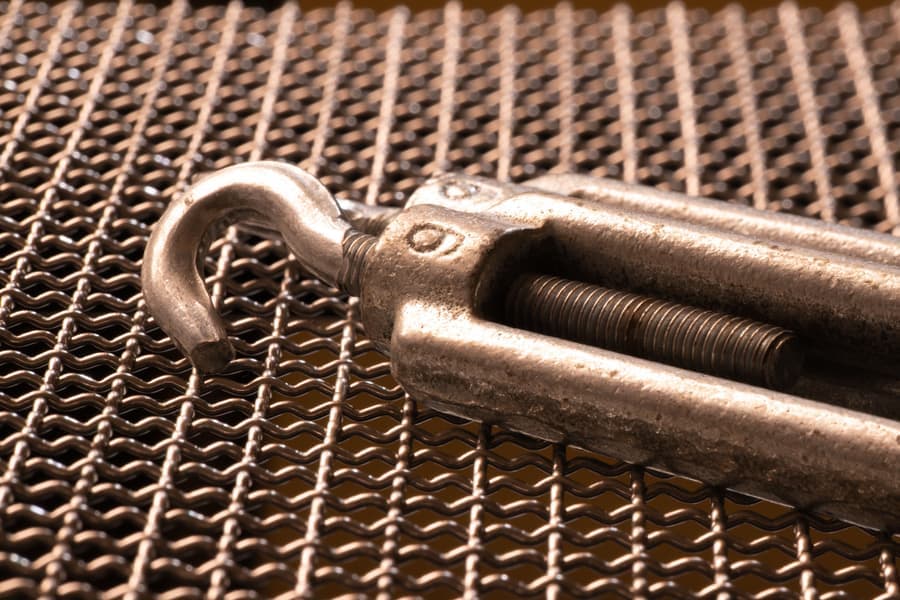
Best Hardware
Shade sail hardware guide
Every hardware component explained, what grade to buy, and how to size a kit to your sail.
Our top pick
SUNNY GUARD Shade Sail Hardware Kit, 316 Stainless
Not published by manufacturer
GSM is the number that matters most
Grams per square meter is the fabric's weight, and in this category it is the closest thing to a durability spec that manufacturers reliably publish. It correlates with thread count, tear strength and how long the fabric holds tension before it stretches and starts to flap.
The sails we track publish 180, 190, 200 and 260 GSM. That range is not a small difference: a 180 GSM webbing-edged sail and a 260 GSM cable-edged sail are different products with different lifespans, and the price gap between them is usually smaller than the gap in warranty — three years against seven.
GSM also predicts the failure mode. Lighter fabric loses tension first and then flaps, and a flapping sail destroys itself and its fixings within a season. Heavier fabric holds tension longer and, when it does go, tends to go at a seam or a corner ring rather than across the field. GSM and shade percentage explained covers what each weight band is genuinely good for.
Breathable or waterproof — a bigger choice than it sounds
The default shade sail is a breathable HDPE mesh. Air passes through it, which means it spills wind rather than loading it, it does not pool water, and it blocks most UV while letting some light and all the rain through. ColourTree publishes 95% UV block on 190 GSM virgin HDPE; Windscreen4less publishes UV 90 on its 180 GSM polyethylene and UV 95 on the 260 GSM cable sails.
A waterproof sail is a coated polyester — Windscreen4less uses Terylene — and it is a different structure in wind. It sheds rain fully, which is the point, and it catches every bit of wind that a mesh would have let through. It also has to be pitched steeply enough to drain, because a flat waterproof sail will pool, and a pool of water is a load no corner ring is rated for.
If you want rain cover over a fixed dining spot, a waterproof sail is the cheapest route and a pergola or gazebo is the durable one. HDPE vs waterproof fabric compares them, and shade sail vs pergola is the honest version of the bigger question.
The hardware is the actual product
This is the part every listicle skips and every owner learns the hard way. Almost no shade sail ships with the hardware that installs it — ColourTree supplies a stainless D-ring at each corner and sells the cable rope and fixing kits separately. The sail is the cheap half of the purchase.
The fixings decide the outcome in two ways. Grade matters because corrosion at the corner is the single most common failure: 316 marine-grade stainless survives salt air and pool chemistry that will pit 304 within a couple of seasons. Adjustability matters because fabric stretches, and a turnbuckle is the only way to take that stretch back out — a sail hung on fixed hooks will be slack by the end of its first summer and destroying itself by the second.
Budget for turnbuckles at every corner, 316 stainless if you are anywhere near salt or chlorine, and posts or attachment points that can genuinely take the tension. Our shade sail hardware guide works through each component and what it has to be rated for.
Shape and tension: why triangles are easier
A three-point sail cannot fight itself. Every triangle is, by definition, a flat plane, so all three corners can be tensioned hard and the fabric will sit taut. A four-point sail is not necessarily planar — pull all four corners level and you get a slack middle, which is why proper installations set two corners high and two low to build a twist into the fabric that keeps it tight.
That is the entire reason experienced installers reach for triangles for a first sail, and why rectangular sails over a patio so often end up with the sag that leads to flapping. Getting the geometry right at the planning stage costs nothing; fixing it afterwards means re-siting a post. Shade sail sizing and tension covers the drop, the angles and the 8-10% allowance you need for hardware.
Head-to-head comparisons
Every one of these answers the same question from a different starting point — and every one is willing to tell you to buy the other thing.
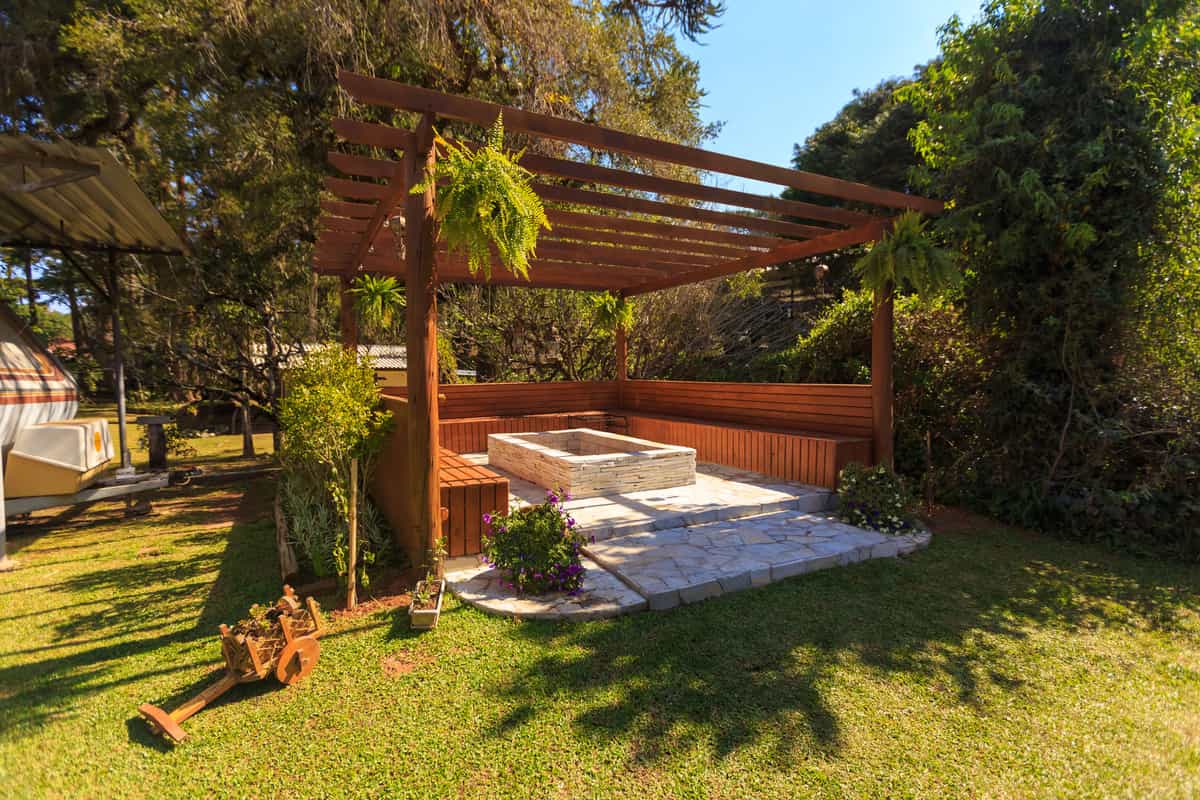
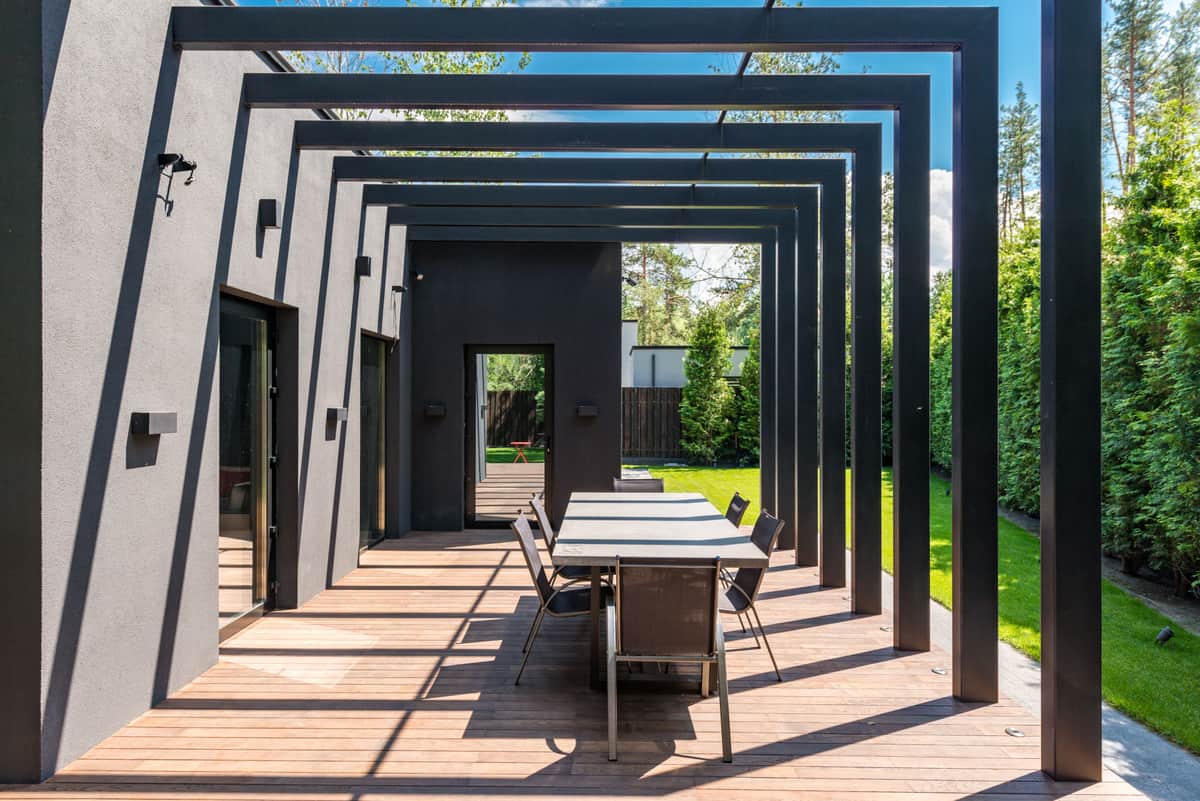
Comparison
Shade sail vs pergola
Fabric panel versus post-and-beam structure: cost, lifespan, wind, permits and reversibility.
Our top pick
ColourTree Rectangle Sun Shade Sail, 190 GSM
3 years under normal weather and usage warranty
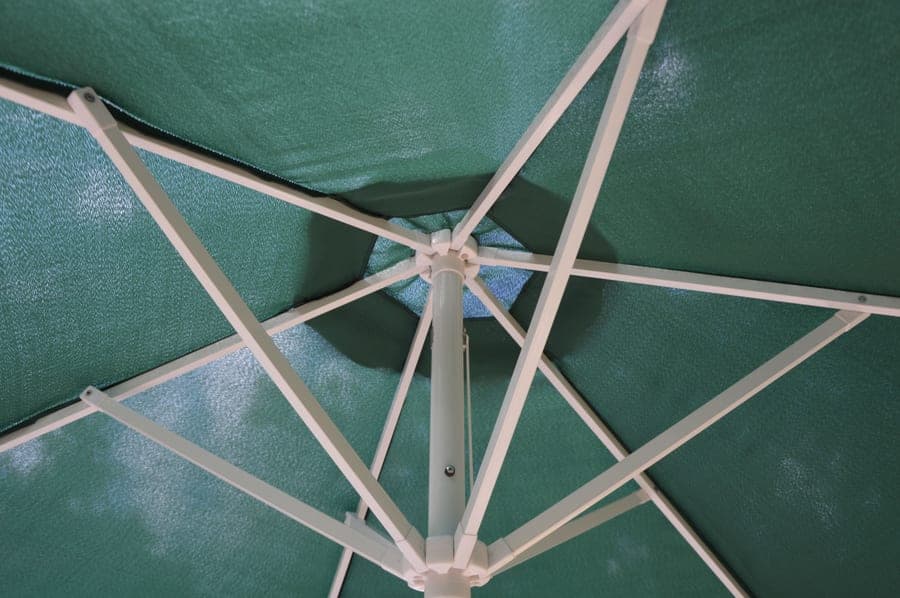
Comparison
Shade sail vs umbrella
Sail versus umbrella on coverage per dollar, wind behavior, and fixed versus movable shade.
Our top pick
ColourTree Rectangle Sun Shade Sail, 190 GSM
3 years under normal weather and usage warranty
Comparison
HDPE vs waterproof shade fabric
Breathable mesh versus coated polyester on wind, water, heat, lifespan and published warranties.
Our top pick
Windscreen4less Cable Shade Sail, 260 GSM
7 years under normal weather conditions warranty
Guides in this category
Guide
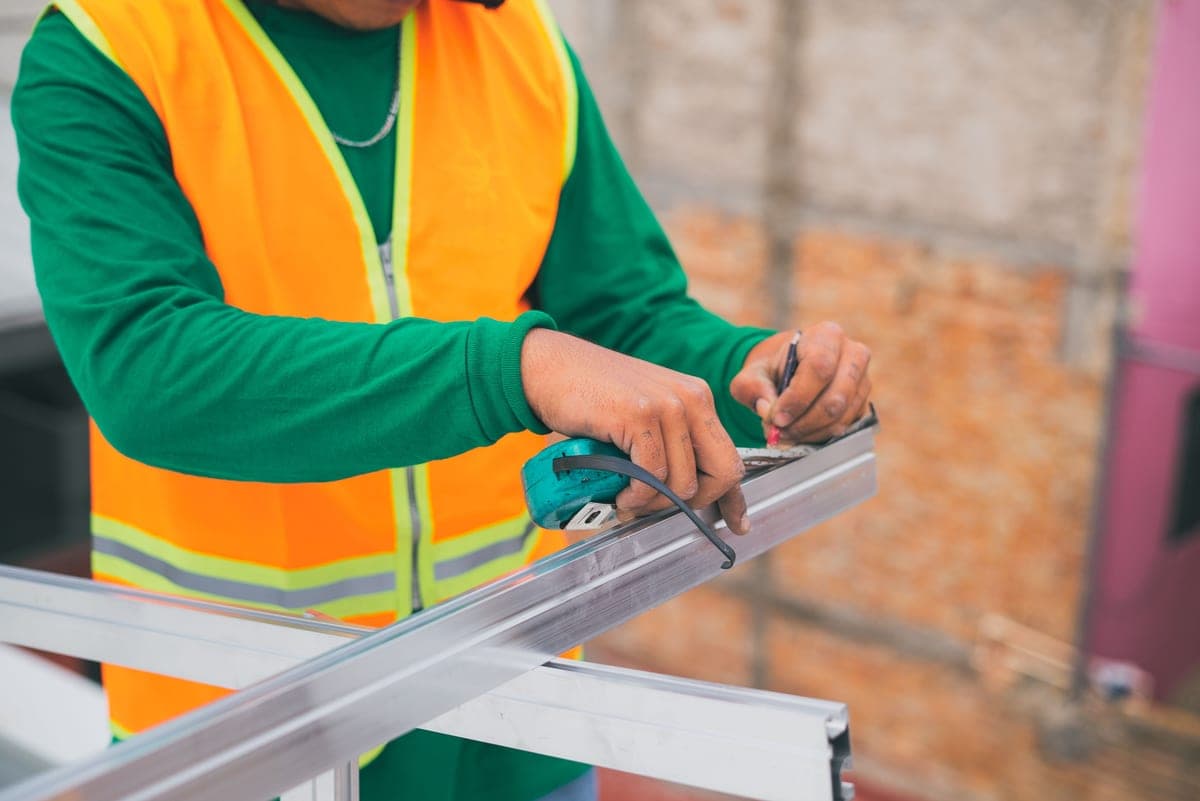
How to install a shade sail
Planning, attachment points, post setting and tensioning — the full installation sequence.
Our top pick
SUNNY GUARD Shade Sail Hardware Kit, 316 Stainless
Not published by manufacturer
Guide
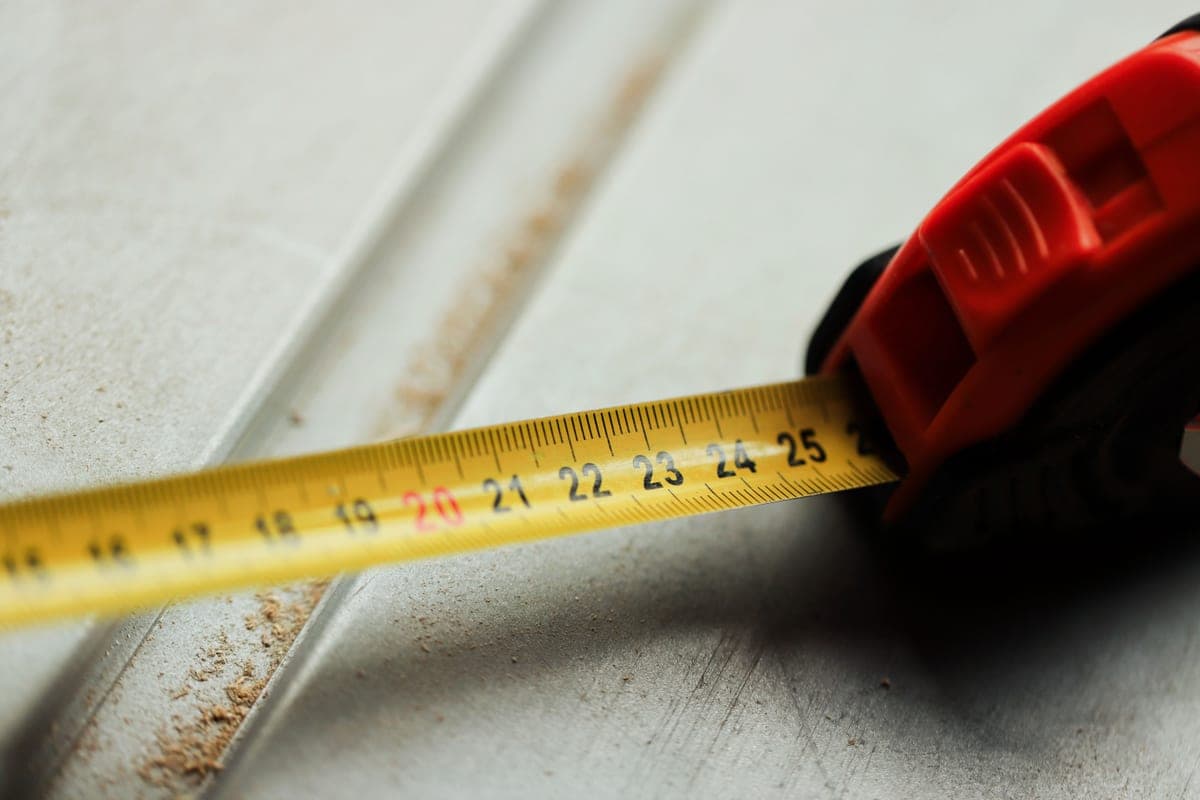
Shade sail sizing and tension
Sizing for the span, building in pitch and twist, and the three causes of a sagging sail.
Our top pick
SUNNY GUARD Shade Sail Hardware Kit, 316 Stainless
Not published by manufacturer
Guide
GSM and shade percentage explained
What GSM and shade percentage each measure, how they relate, and which weight suits which span.
Our top pick
Windscreen4less Cable Shade Sail, 260 GSM
7 years under normal weather conditions warranty

Guide
What a shade sail costs
What drives shade sail price tiers, and the hardware, post and replacement costs that never appear on a listing.
Our top pick
Windscreen4less Webbing Shade Sail, 180 GSM
3 years warranty