Canopies & Patio Covers
Canopies are the entry point to backyard shade and the category where the durability gap is widest — from a carport with a published 9 lb/ft² snow load to a pop-up that publishes nothing and should never be left standing.
We compare published manufacturer specifications, warranty terms and owner-reported failure modes. We have not physically tested these structures. How we judge shade structures
Slat & Shade earns a commission on qualifying purchases made through links on this page. It costs you nothing extra and never changes what we recommend. Full disclosure
Canopies are the entry point to backyard shade and the category where the durability gap is widest — from a carport with a published 9 lb/ft² snow load to a pop-up that publishes nothing and should never be left standing.
The short answer
A canopy is the right answer when you need shade you can move, retract or take down. Published specs vary enormously: the carports we track state a snow load and a tested wind speed, retractable awnings state a Beaufort number you are expected to retract above, and most pop-ups state nothing. Match the type to whether the structure stays up.
Our picks in this category
Each of these is a full roundup with the durability table, the ranked picks and the models we rejected. The top pick from each is shown here so you can act on it without reading the whole page first.
Best Patio Canopy
The best patio canopies
Patio canopies compared on published fabric weight, frame grade, wind guidance and warranty.
Our top pick
Diensweek P100 Manual Retractable Awning
Beaufort 5 (roughly 19-24 mph) — retract above it mph published wind rating
Best for Wind & Rain
The best canopies for wind and rain
The canopies that publish wind and waterproof figures, and why retracting beats resisting.
Our top pick
Quictent Heavy Duty 10 x 20 Carport Canopy
55 (tested) mph published wind rating
Best Carport
The best carport canopies
The one carport canopy that publishes real durability figures, and what to check on any other.
Our top pick
Quictent Heavy Duty 10 x 20 Carport Canopy
55 (tested) mph published wind rating
Best Retractable Awning
The best retractable awnings
Retractable awnings compared on fabric fiber, frame specification and published wind guidance.
Our top pick
Diensweek Motorized Acrylic Retractable Awning
Beaufort 5 (roughly 19-24 mph) — retract above it mph published wind rating
Four different products under one word
"Canopy" covers products with almost nothing in common, and the first job of this hub is to stop you comparing the wrong ones.
- Retractable awnings attach to the house and fold away. They are the only shade structure with an active wind strategy: you retract. Published ratings come as Beaufort numbers rather than mph — Diensweek states Beaufort 5, roughly 19-24 mph, above which you retract. See best retractable awnings.
- Carport and shelter canopies are steel-framed and semi-permanent, and they are the best-documented products in this hub. Quictent publishes a 9 lb/ft² snow load and a tested 55 mph wind speed on its 10 x 20, with 38 mm galvanized tube and a 16 mil PE cover. See best carport canopies.
- Pop-up canopies are events equipment. Aluminum-framed commercial models are genuinely well made — 500-denier PU-coated tops, seam sealed, fire certified — but almost none publishes a wind rating, and the ones that do publish it in km/h. They are not a structure you leave standing.
- Patio covers and solid shelters sit between a canopy and a pergola. If what you actually want is permanent, roofed and anchored, read canopy vs pergola before you spend anything.
Fabric specs, and how to read the ones you get
Fabric is where canopies are specified honestly, because the numbers are easy to publish and easy to verify. Three appear often enough to compare.
Weight is given in g/m² or in mils. Diensweek's manual awnings use 280 g/m² polyester with a PU coating; Quictent's carport cover is a 16 mil, 180 g PE tarp. Heavier is more tear-resistant and heavier to handle, and in a retractable awning it is also more load on the arms.
Fiber is the real durability question, and it is the one place we would tell most buyers to spend up. Coated polyester is cheaper and fades; solution-dyed acrylic has the color in the fiber rather than on it, which is why Diensweek's motorized line uses it and why it still looks like itself in year six. If an awning is going on a south-facing wall, this is the spec that decides whether you like it in five years.
Denier and certification matter on pop-ups: 500D with sealed seams and a CPAI-84 fire certificate, as on the Eurmax Pro, is a commercial specification rather than a consumer one. Canopy fabric materials goes through each fiber and how it ages.
Wind is the failure mode in this category
Every product in this hub fails in wind before it fails in any other way, and the published figures reflect it: a carport tested to 55 mph, an awning rated to roughly 24 mph, a pop-up at 85 km/h on an aluminum frame, and a great many products with no figure at all.
What separates them is not strength, it is whether the structure has a way out. An awning retracts. A pop-up folds down and goes in a bag. A carport does neither, which is why its frame is 38 mm galvanized tube with twelve cross cables and why it is the only product here that publishes a snow load.
The practical rule: if a canopy has no way to get out of the wind and no published wind figure, do not leave it up unattended. Canopy wind ratings and weights covers ballast, anchoring and what weight actually holds a frame down — the answer is more than most people use.
Where a canopy is the right answer
This hub is not a consolation prize. There are three situations where a canopy genuinely beats a pergola or a gazebo, and they are all about impermanence.
You are renting, or you cannot drill. An awning bolts to a wall and a pop-up bolts to nothing; both are reversible in a way an anchored pergola is not. You need shade over a driveway or equipment rather than a living space — that is a carport, and no pergola does it. Or the shade needs to not be there sometimes: a retractable awning is the only product in backyard shade that gives you full sun and full shade on the same afternoon.
If none of those describes you, and the structure is going to stand in one place for a decade, you are probably looking at the wrong hub. Start with pergolas or hardtop gazebos instead, and read deck shade solutions if the surface is a deck rather than a slab.
Head-to-head comparisons
Every one of these answers the same question from a different starting point — and every one is willing to tell you to buy the other thing.

Comparison
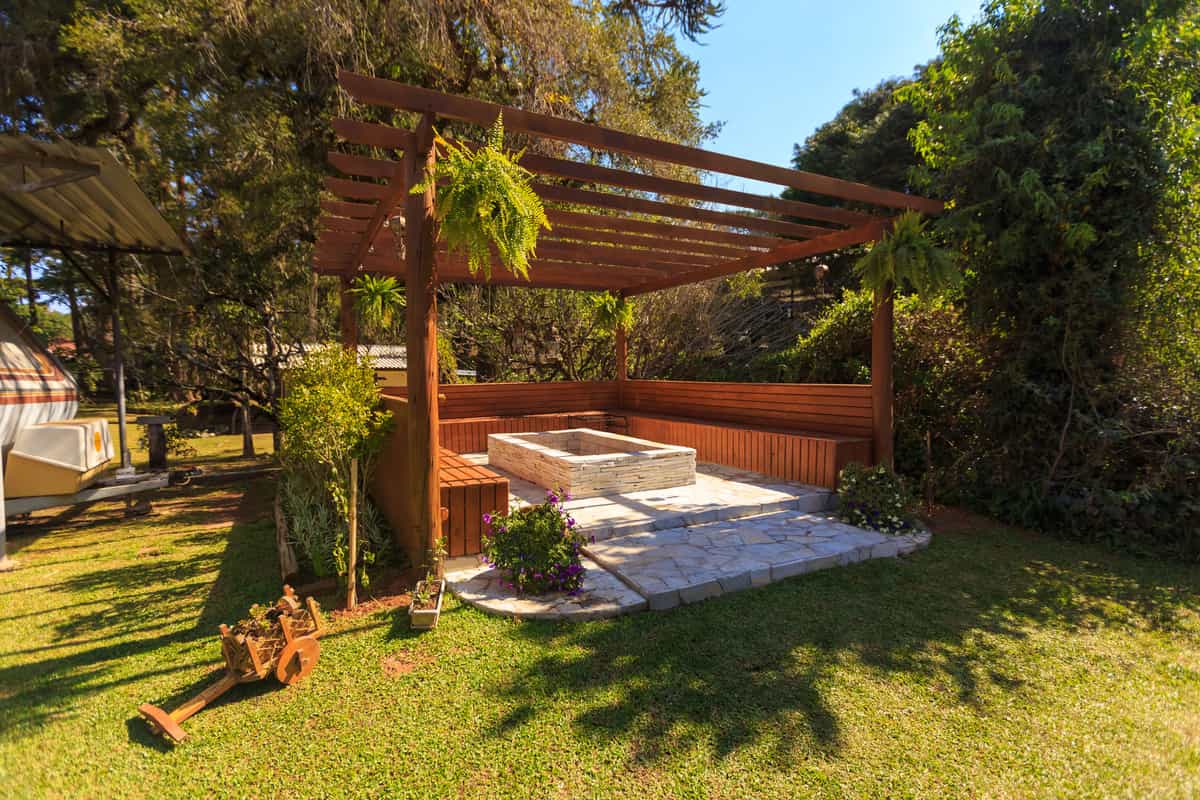
Canopy vs awning
Wall-mounted awning versus freestanding canopy: placement, permits, wind strategy and fabric life.
Our top pick
Diensweek P100 Manual Retractable Awning
Beaufort 5 (roughly 19-24 mph) — retract above it mph published wind rating
Comparison
Canopy vs pergola
Fabric canopy versus post-and-beam pergola: wind ratings, consumable roofs, permits and ten-year cost.
Our top pick
Quictent Heavy Duty 10 x 20 Carport Canopy
55 (tested) mph published wind rating
Guides in this category

Guide
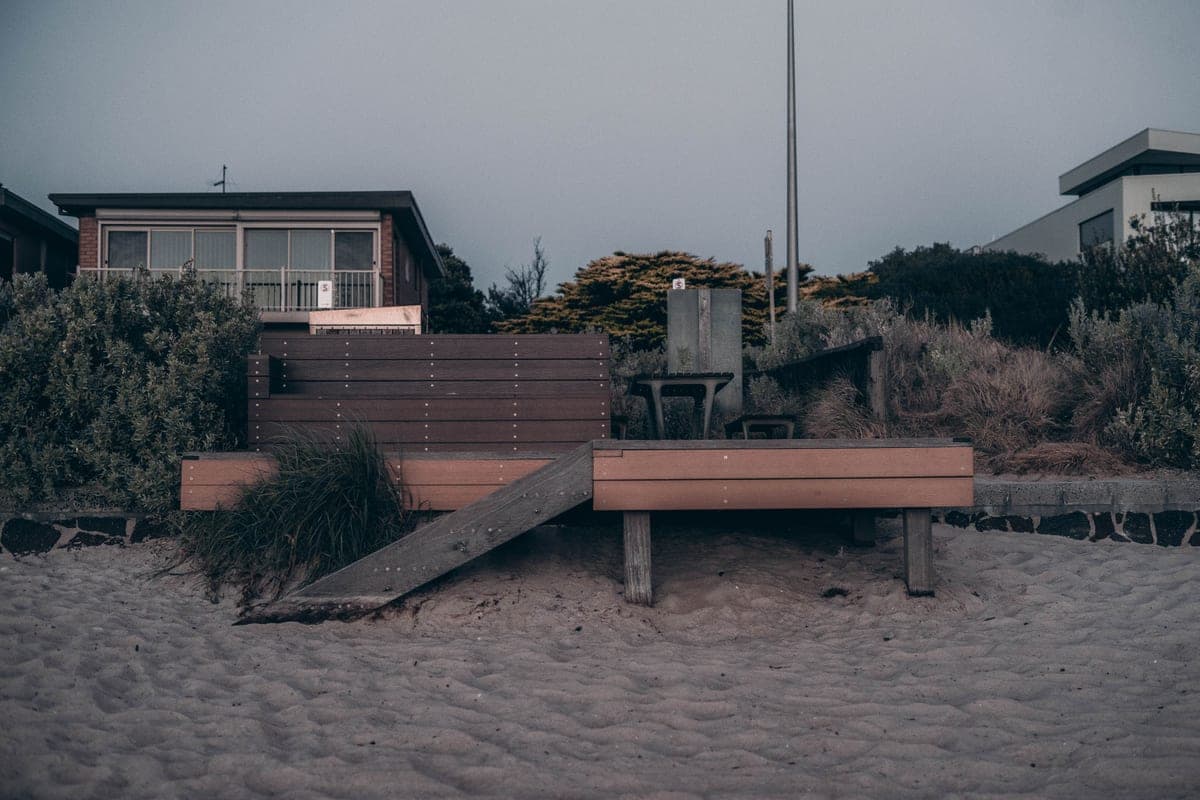
Canopy wind ratings and weights
Every published canopy wind figure, unit conversions, and the honest limits of ballast against uplift.
Our top pick
Quictent Heavy Duty 10 x 20 Carport Canopy
55 (tested) mph published wind rating
Guide
Deck shade solutions
Shading a deck without overloading it — framing, composite decking, and options by structural demand.
Our top pick
Diensweek P100 Manual Retractable Awning
Beaufort 5 (roughly 19-24 mph) — retract above it mph published wind rating
Guide
Canopy fabric materials
Every canopy fabric compared on how it fails, what it is good at, and which upgrade actually shows.
Our top pick
Diensweek Motorized Acrylic Retractable Awning
Beaufort 5 (roughly 19-24 mph) — retract above it mph published wind rating