Shade sail posts and footings
A shade sail post is a cantilever with a tensioned fabric plane pulling sideways on the top of it. Almost every failure in this category is a post problem, not a fabric problem.
By Ryder M. · Published · Last updated
We compare published manufacturer specifications, warranty terms and owner-reported failure modes. We have not physically tested these structures. How we judge shade structures
Slat & Shade earns a commission on qualifying purchases made through links on this page. It costs you nothing extra and never changes what we recommend. Full disclosure
Part of Shade Sails

The short answer
A freestanding shade sail post is a cantilever: the load is horizontal, applied at the top, and resisted entirely by the footing. Set it in concrete below frost depth, make the footing wider and deeper than feels necessary, and lean the post a few degrees away from the sail so tensioning pulls it toward plumb rather than past it.
Our picks at a glance
| # | Structure | Best for | Fabric | Price |
|---|---|---|---|---|
| 01 | 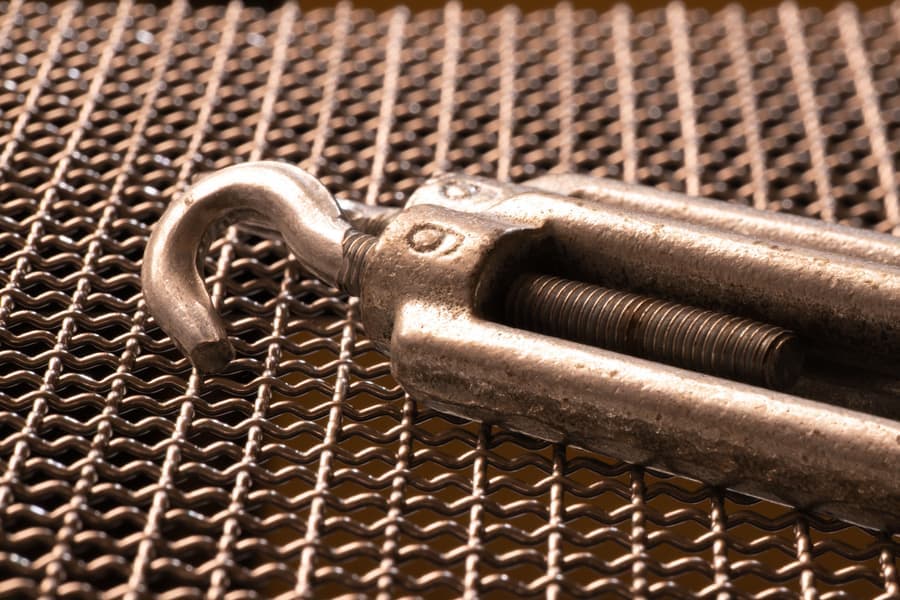 SUNNY GUARD Shade Sail Hardware Kit, 316 Stainless316 marine-grade stainless rather than 304 — the difference that decides whether your fixings survive a coastal or pool-side install. | The sizing rule, published | Not published by manufacturer | Check price on Amazon |
| 02 | 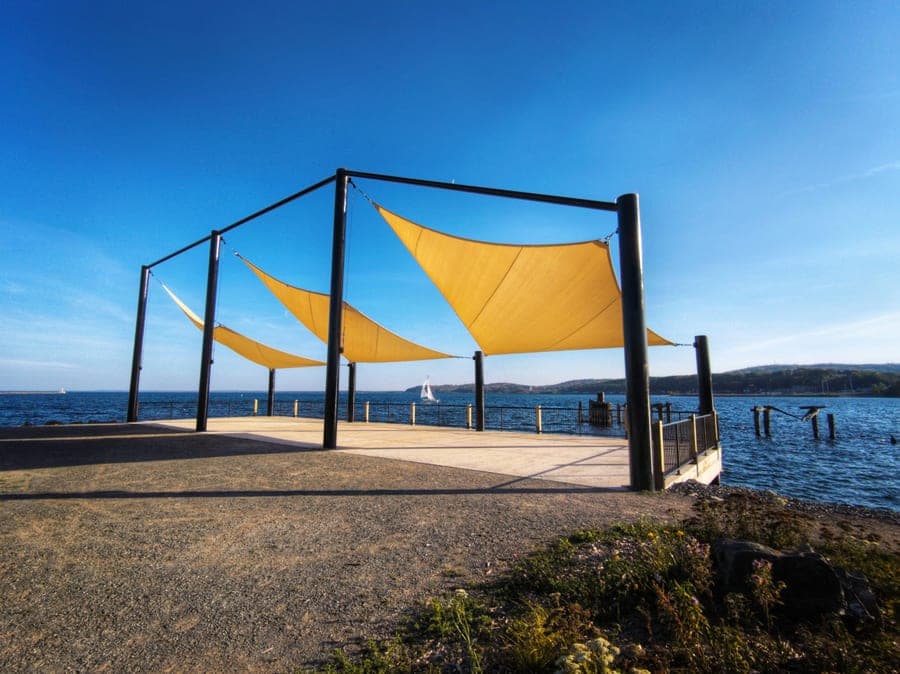 Windscreen4less Cable Shade Sail, 260 GSMThe heaviest fabric and the longest warranty of any sail here — seven years — and the only one with a galvanized cable sewn through the perimeter. | The heaviest fabric, the highest post loads | 260 GSM high-density polyethylene, UV 95 | Check price on Amazon |
| 03 | 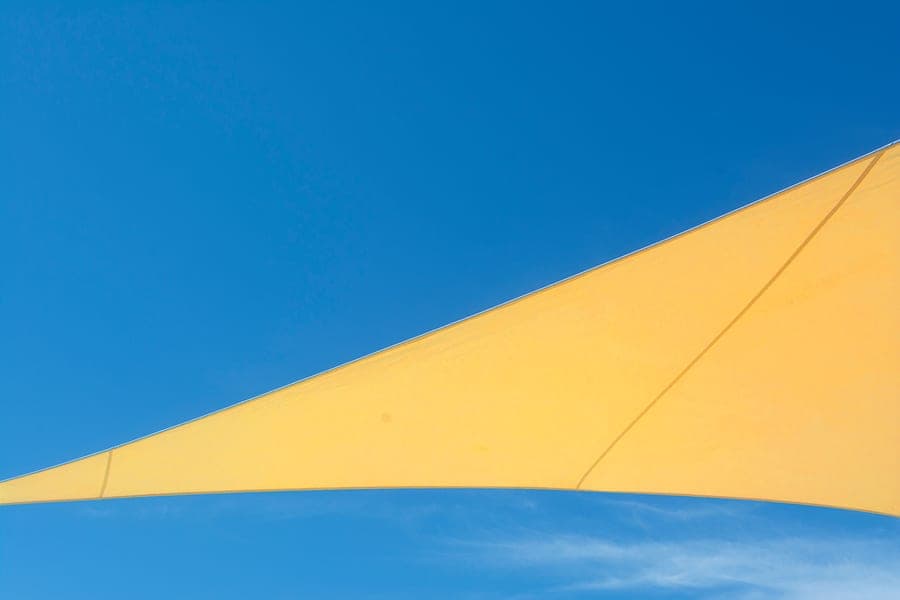 ColourTree Triangle Sun Shade Sail, 200 GSMA heavier 200 GSM fabric in the shape that tensions most predictably — three anchor points cannot fight each other the way four can. | Fewest posts, most predictable tension | 200 GSM HDPE, 95% UV block | Check price on Amazon |
| 04 | 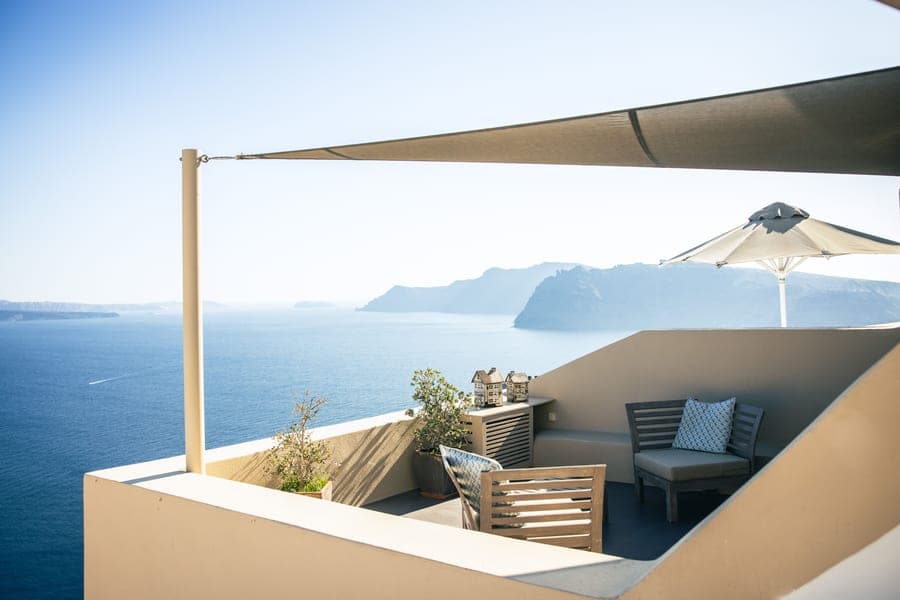 ColourTree Rectangle Sun Shade Sail, 190 GSMThe clearest published fabric spec in the category — 190 GSM virgin HDPE, 95% UV block, three-year warranty — with the hardware sold separately. | Four points, and what they ask of the posts | 190 GSM HDPE mesh, 95% UV block, breathable | Check price on Amazon |
The durability table
Every published figure we could source for these structures, in one place, with the manufacturer page each number came from. Where a cell reads "Not published by manufacturer", that figure does not exist in the manufacturer's own material — we do not estimate it and we do not copy one from another site.
| Model | Wind rating (mph) | Snow load | Frame | Roof | Anchoring required | Warranty | Spec source |
|---|---|---|---|---|---|---|---|
| SUNNY GUARD Shade Sail Hardware Kit, 316 StainlessTop pick | Not published by manufacturer | Not published by manufacturer | 316 marine-grade stainless steel | Not published by manufacturer | Turnbuckles, pad eyes, snap hooks, screws and expansion anchors; sized for triangle sails under 161 sq ft | Not published by manufacturer | SUNNY GUARD hardware kit product pageChecked 2026-09-26 |
| Windscreen4less Cable Shade Sail, 260 GSM | Not published by manufacturer | Not published by manufacturer | Steel-wired perimeter with galvanized cable and A-ring reinforcement | 260 GSM high-density polyethylene, UV 95 | Strengthened A-rings at the corners, steel wire reinforced edges | 7 years under normal weather conditions | Windscreen4less shade sails pageChecked 2026-09-26 |
| ColourTree Triangle Sun Shade Sail, 200 GSM | Not published by manufacturer | Not published by manufacturer | No frame — breathable HDPE fabric | 200 GSM HDPE, 95% UV block | Stainless steel D-rings at the corners; hardware sold separately | 3 years | ColourTree triangle shade sail product pageChecked 2026-09-26 |
| ColourTree Rectangle Sun Shade Sail, 190 GSM | Not published by manufacturer | Not published by manufacturer | No frame — 100% virgin (non-recycled) HDPE fabric, reinforced stitched seams | 190 GSM HDPE mesh, 95% UV block, breathable | Stainless steel D-ring at each corner; cable rope and hardware kits sold separately | 3 years under normal weather and usage | ColourTree rectangle shade sail product pageChecked 2026-09-26 |
Every pick in full
The sizing rule, published
SUNNY GUARD Shade Sail Hardware Kit, 316 Stainless
316 marine-grade stainless rather than 304 — the difference that decides whether your fixings survive a coastal or pool-side install.
- Wind rating
- Not published by manufacturer
- Snow load
- Not published by manufacturer
- Frame
- 316 marine-grade stainless steel
- Roof
- Not published by manufacturer
- Anchoring
- Turnbuckles, pad eyes, snap hooks, screws and expansion anchors; sized for triangle sails under 161 sq ft
- Warranty
- Not published by manufacturer
- Sizes
- M6 turnbuckles, 6 in. to 8 in. adjustable range
The most useful published figure in this whole subject, and it is on a hardware kit rather than on a sail.
316 marine-grade stainless, with turnbuckles, pad eyes, snap hooks, screws and expansion anchors; M6 turnbuckles adjustable through a 6 in. to 8 in. range; sized for triangle sails under 161 sq ft.
That 161 sq ft is the only published sizing threshold we have found in the category, and it is worth reading as a rule rather than as a product limit: below it, M6 hardware and a modest post; above it, step everything up together — hardware, post section and footing — because the load scales with the area of fabric, not with the length of the edge.
The turnbuckle is also the component that protects the post. A sail with no way to take up slack goes loose, and a loose sail flogs — which replaces a steady load on your post with a repeated shock one. Flogging is what works a footing loose.
316 rather than 304 matters at any post in a splash zone, a coastal yard or beside a pool, where chlorides attack the alloy that has no molybdenum in it.
Skip it if: Your sail is well over 161 sq ft. Then this is the pattern to match in a larger size rather than the exact kit to buy.
#ad Price shown as of September 26, 2026. How this site is funded
Specifications from SUNNY GUARD hardware kit product page, checked 2026-09-26.
The heaviest fabric, the highest post loads
Windscreen4less Cable Shade Sail, 260 GSM
The heaviest fabric and the longest warranty of any sail here — seven years — and the only one with a galvanized cable sewn through the perimeter.
- Wind rating
- Not published by manufacturer
- Snow load
- Not published by manufacturer
- Frame
- Steel-wired perimeter with galvanized cable and A-ring reinforcement
- Roof
- 260 GSM high-density polyethylene, UV 95
- Anchoring
- Strengthened A-rings at the corners, steel wire reinforced edges
- Warranty
- 7 years under normal weather conditions
- Sizes
- Not published by manufacturer
Included here rather than only in the roundups because the fabric you choose sets the load your posts have to carry.
260 GSM HDPE at UV 95, with a galvanized cable sewn through the perimeter and A-ring reinforcement at the corners, warranted for seven years. The heaviest sail we track and the only one with a cable edge.
A cable edge changes what the post feels. An unsupported perimeter stretches and distorts, which lets the sail sag and then flog — a shock load. A cabled perimeter stays straight and transmits a steadier, higher pull straight into your corner fixings. Steadier is far kinder to a footing; higher is not free.
So size the post to the sail, not to the span. The same 16 ft span in 180 GSM webbing-edged fabric and in 260 GSM cable-edged fabric are not the same structural problem, and the heavier one deserves the bigger section and the deeper hole.
Skip it if: You are fixing to existing structures rather than setting posts. The cable's steadier pull is an advantage there; the extra load still has to go somewhere.
#ad Price shown as of September 26, 2026. How this site is funded
Specifications from Windscreen4less shade sails page, checked 2026-09-26.
Fewest posts, most predictable tension
ColourTree Triangle Sun Shade Sail, 200 GSM
A heavier 200 GSM fabric in the shape that tensions most predictably — three anchor points cannot fight each other the way four can.
- Wind rating
- Not published by manufacturer
- Snow load
- Not published by manufacturer
- Frame
- No frame — breathable HDPE fabric
- Roof
- 200 GSM HDPE, 95% UV block
- Anchoring
- Stainless steel D-rings at the corners; hardware sold separately
- Warranty
- 3 years
- Sizes
- Not published by manufacturer
The shape argument, which is really a post argument.
200 GSM HDPE at 95% UV block, with stainless steel D-rings at the corners. Hardware is sold separately, as it is across the category.
Three points resolve into a plane on their own. Four can fight each other: pull one corner and another goes slack, and getting flat tension across a four-point sail is an afternoon's work. A triangle tensions once and stays.
For posts, that is a direct saving. Three anchor points instead of four, and — more usefully — a far better chance of borrowing two of them from a house wall, a fence post set in concrete or a mature tree, leaving only one post to set properly.
Overlapping triangles are also how you grow a shade scheme, adding one post and one sail at a time rather than committing to a four-post frame in one weekend.
Skip it if: You want to cover a rectangle with one sail. Then four points is the honest answer and the rectangle below is the product.
#ad Price shown as of September 26, 2026. How this site is funded
Specifications from ColourTree triangle shade sail product page, checked 2026-09-26.
Four points, and what they ask of the posts
ColourTree Rectangle Sun Shade Sail, 190 GSM
The clearest published fabric spec in the category — 190 GSM virgin HDPE, 95% UV block, three-year warranty — with the hardware sold separately.
- Wind rating
- Not published by manufacturer
- Snow load
- Not published by manufacturer
- Frame
- No frame — 100% virgin (non-recycled) HDPE fabric, reinforced stitched seams
- Roof
- 190 GSM HDPE mesh, 95% UV block, breathable
- Anchoring
- Stainless steel D-ring at each corner; cable rope and hardware kits sold separately
- Warranty
- 3 years under normal weather and usage
- Sizes
- 14 sizes, 8 x 10 ft to 16 x 20 ft
The default purchase in this category, and the one that puts the most demand on a post layout.
190 GSM 100% virgin HDPE with 95% UV block, reinforced stitched seams, stainless steel D-rings, three-year warranty, and fourteen sizes from 8 x 10 ft to 16 x 20 ft.
Fourteen sizes is a post-planning advantage, not just a shopping one. Being able to pick a sail that suits the spans you can actually achieve — rather than forcing posts to suit a sail — is the difference between a layout you tension once and one you fight.
With four points, get the heights deliberately different. Two high corners and two low ones give the sail a twist that keeps it taut and sheds water off a defined low corner. Four corners at the same height is the layout most likely to pond and sag.
And remember the fabric is only part of the purchase. ColourTree states plainly that cable rope and hardware kits are sold separately, which is the industry norm and the reason the kit above ranks first on this page.
Skip it if: You only have three usable attachment points. Buy the triangle rather than setting a fourth post to suit a rectangle.
#ad Price shown as of September 26, 2026. How this site is funded
Specifications from ColourTree rectangle shade sail product page, checked 2026-09-26.
A sail post is a cantilever
This is the sentence that explains every post failure in this category, and almost nobody says it.
A tensioned shade sail pulls horizontally on the top of the post. It is not a load pressing down, which a post handles easily — it is a sideways force applied at the furthest point from the ground, and the only thing resisting it is the footing. That is the textbook definition of a cantilever, and cantilevers are demanding.
Which means the footing does all the work. Doubling the post section helps a little; doubling the footing helps a lot. A post that leans after the first summer did not bend — the concrete rotated in the ground, because the hole was too small, too shallow, or both.
And wind multiplies it. The steady tension you set with a turnbuckle is the baseline; a gust on a 160 sq ft fabric plane is a different number entirely, applied suddenly. Shade sail sizing and tension covers the tension side; this page is about what holds it.
Attachment points, ranked
Before you set any post, work out how many you genuinely need. Every point you can borrow from something already in the ground is a footing you do not have to dig.
- A house wall, into structure. The best anchor available, provided the fixing reaches framing or solid masonry rather than cladding, render or fascia. A fascia board is not an anchor and is the single most common bad attachment in this category.
- An existing post set in concrete — a pergola post, a substantial fence post, a carport upright. Check what it was sized for: a fence post resists wind on a fence, which is a different direction and a smaller load than a sail corner.
- A mature tree, with care. Trees move, which is useful — they absorb shock — and they grow, which is not. Use a strap system rather than anything that bites into the trunk, and expect to adjust it.
- A new post you set yourself. The most work and the most freedom, because you can put the corner exactly where the shade needs to be rather than where the yard happens to offer something.
- Not a deck rail, not a fascia, not a pot. Each of these shows up constantly in photos and none of them is restrained against a horizontal pull at height.
Setting a post properly
The sequence, and the three details that are usually skipped.
- 01Decide the height before the hole. Shade sails work best pitched, with a clear high side and a clear low corner, so your posts are deliberately different heights. Decide the whole geometry on paper first — moving a post later means a second footing.
- 02Dig deeper and wider than feels necessary, and go below frost depth. Frost depth is a local figure from your building department. A cantilever footing resists rotation through its width as much as its depth, so a narrow deep hole is not a substitute for a generous one.
- 03Lean the post away from the sail by a few degrees before the concrete sets. Tensioning pulls it back toward plumb. A post set dead vertical finishes leaning toward the sail, which looks wrong and keeps getting worse as the fabric relaxes.
- 04Set it in concrete, crown the top, and let it cure fully before you tension anything. Crowning the concrete above grade sheds water away from the post base instead of holding it against it — the same principle as every other footing on this site.
- 05Then fit a turnbuckle at every corner and tension evenly. Not optional: without a way to take up slack the sail goes loose, flogs and converts a steady load on your new footing into a repeated shock one.
Why posts in pots never work
It is one of the most-searched variations on this topic, and the answer is the same every time, so it is worth setting out properly rather than just saying no.
A pot resists a horizontal pull by weight alone, and weight is a poor substitute for restraint. A footing in the ground resists rotation because the soil pushes back along the whole buried length of it. A pot sitting on a patio has nothing pushing back — it either slides or it tips, and the pivot point is its own rim, which is only a few inches from the post.
The arithmetic is unforgiving. The tension is applied at the top of a post that might be 8 or 10 ft tall; the resisting weight acts over the width of a pot that is maybe 18 in. across. That is a long lever against a short one, and no plausible amount of concrete in a planter closes the gap.
And it fails in the worst possible way — not gradually, but in the first real gust, with a loaded fabric plane attached and a heavy pot moving. If you cannot dig, the honest alternatives are to borrow attachment points from things already fixed in the ground, or to use a smaller sail with shorter posts and accept less coverage.
Deck-mounted posts
A common case, and one where the answer is genuinely different rather than just a weaker version of the same thing.
- A post bolted to decking boards is not a post. The fixing has to reach a joist, a beam or added blocking, and for a cantilever it usually needs more than one — a base plate on a single joist can rotate it.
- Better still, run the post past the deck to its own footing. Cutting a hole in the deck and setting the post in the ground below is more work and removes the problem entirely: the deck carries nothing, and the footing does what footings do.
- Watch what the uplift does to the deck itself. A tensioned sail pulls horizontally and, on a pitched layout, partly upward. A deck designed for people standing on it is not automatically designed to be pulled on.
- And on a deck, go 316 stainless on everything. Fixings into framing are hard to inspect and harder to replace, which is exactly where you want the alloy that resists pitting. Shade sail hardware guide covers the full component list.
What we would actually do
Borrow every attachment point you can, then set as few posts as possible — and set those properly. A house wall into framing and one new post beats four new posts in every respect including shade quality, because borrowed points are usually higher.
Buy the triangle if the layout allows it. Three points tension into a plane on their own, and overlapping triangles let you add shade a sail at a time rather than committing to a four-post frame in one weekend.
Dig the hole bigger than the guide you read. Nobody has ever regretted an oversized shade sail footing, and a rotated one cannot be fixed without digging it out.
And fit the turnbuckles. Skipping them to save money is the most expensive decision available here — it is what turns a steady load into a flogging one, and flogging is what works footings loose and destroys corner rings.
Questions people ask
What size posts do you need for a shade sail?
How deep should a shade sail post footing be?
Should shade sail posts be set in concrete?
Why do you lean shade sail posts?
Can you put shade sail posts in pots or planters?
Can shade sail posts be attached to a deck?
How many posts does a shade sail need?
Do shade sail posts need to be different heights?
Where these figures came from
- SUNNY GUARD shade sail hardware kit — 316 marine-grade stainless, M6 turnbuckles with a 6-8 in. adjustable range, sized for triangle sails under 161 sq ft
- Windscreen4less shade sails — 260 GSM HDPE at UV 95, galvanized cable and A-ring perimeter reinforcement, 7-year warranty
- ColourTree triangle sun shade sail — 200 GSM HDPE, 95% UV block, stainless steel corner D-rings, hardware sold separately
- ColourTree rectangle sun shade sail — 190 GSM virgin HDPE, 95% UV block, 14 sizes from 8 x 10 to 16 x 20 ft, cable rope and hardware kits sold separately
Found an error? Tell us and we will correct it within seven days and note the change on the page with a dated line — see our editorial policy.