How to clean a shade sail
A shade sail is the cheapest structure on this site and the one most often thrown away while it is still good. Mould and a slack turnbuckle are both fixable; a pressure-washed knit is not.
By Ryder M. · Published · Last updated
We compare published manufacturer specifications, warranty terms and owner-reported failure modes. We have not physically tested these structures. How we judge shade structures
Slat & Shade earns a commission on qualifying purchases made through links on this page. It costs you nothing extra and never changes what we recommend. Full disclosure
Part of Shade Sails

The short answer
Take the sail down, lay it flat, and wash it with cold or lukewarm water, mild soap and a soft brush, working with the weave rather than across it. Rinse fully and dry it completely before refitting. Never use a pressure washer, bleach or a stiff brush on knitted HDPE.
Our picks at a glance
| # | Structure | Best for | Fabric | Price |
|---|---|---|---|---|
| 01 | 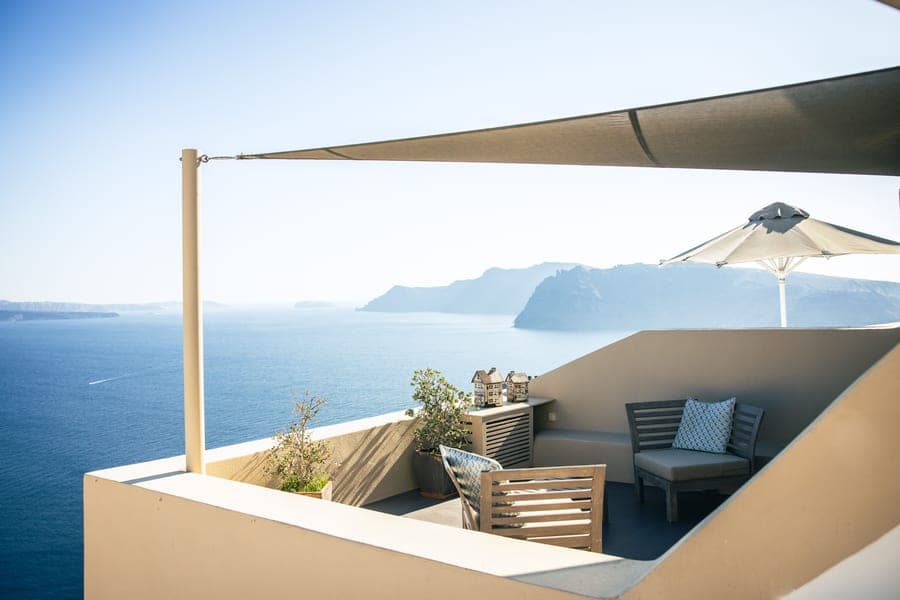 ColourTree Rectangle Sun Shade Sail, 190 GSMThe clearest published fabric spec in the category — 190 GSM virgin HDPE, 95% UV block, three-year warranty — with the hardware sold separately. | The fabric that cleans best | 190 GSM HDPE mesh, 95% UV block, breathable | Check price on Amazon |
| 02 |  Windscreen4less Waterproof Shade SailA genuinely waterproof polyester sail rather than a breathable mesh — which means it sheds rain and catches wind in equal measure. | The one that needs different care | Terylene polyester, waterproof, UV 95 | Check price on Amazon |
| 03 | 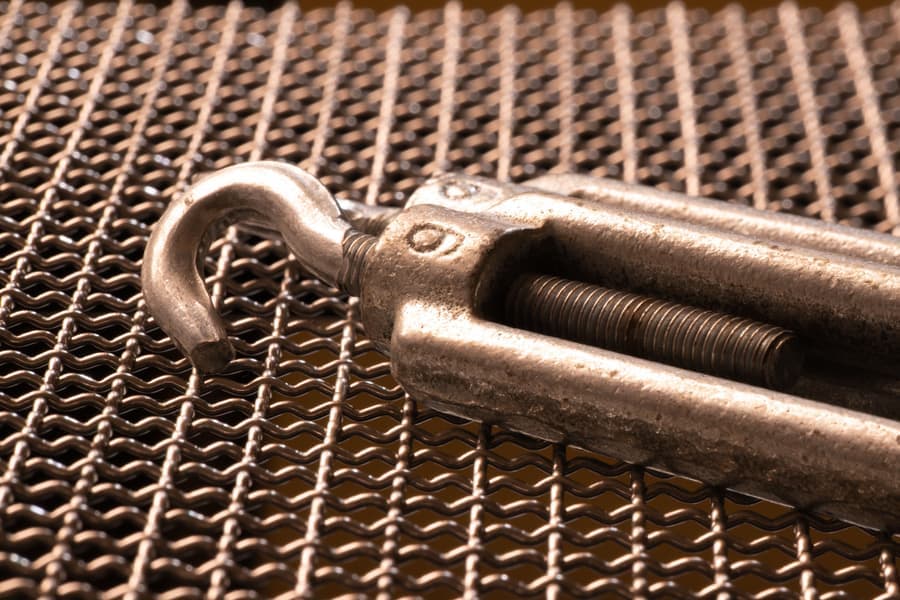 SUNNY GUARD Shade Sail Hardware Kit, 316 Stainless316 marine-grade stainless rather than 304 — the difference that decides whether your fixings survive a coastal or pool-side install. | What to replace while it is down | Not published by manufacturer | Check price on Amazon |
The durability table
Every published figure we could source for these structures, in one place, with the manufacturer page each number came from. Where a cell reads "Not published by manufacturer", that figure does not exist in the manufacturer's own material — we do not estimate it and we do not copy one from another site.
| Model | Wind rating (mph) | Snow load | Frame | Roof | Anchoring required | Warranty | Spec source |
|---|---|---|---|---|---|---|---|
| ColourTree Rectangle Sun Shade Sail, 190 GSMTop pick | Not published by manufacturer | Not published by manufacturer | No frame — 100% virgin (non-recycled) HDPE fabric, reinforced stitched seams | 190 GSM HDPE mesh, 95% UV block, breathable | Stainless steel D-ring at each corner; cable rope and hardware kits sold separately | 3 years under normal weather and usage | ColourTree rectangle shade sail product pageChecked 2026-09-26 |
| Windscreen4less Waterproof Shade Sail | Not published by manufacturer | Not published by manufacturer | Webbing-reinforced perimeter | Terylene polyester, waterproof, UV 95 | Not published by manufacturer | 3 years | Windscreen4less waterproof shade sails pageChecked 2026-09-26 |
| SUNNY GUARD Shade Sail Hardware Kit, 316 Stainless | Not published by manufacturer | Not published by manufacturer | 316 marine-grade stainless steel | Not published by manufacturer | Turnbuckles, pad eyes, snap hooks, screws and expansion anchors; sized for triangle sails under 161 sq ft | Not published by manufacturer | SUNNY GUARD hardware kit product pageChecked 2026-09-26 |
Every pick in full
The fabric that cleans best
ColourTree Rectangle Sun Shade Sail, 190 GSM
The clearest published fabric spec in the category — 190 GSM virgin HDPE, 95% UV block, three-year warranty — with the hardware sold separately.
- Wind rating
- Not published by manufacturer
- Snow load
- Not published by manufacturer
- Frame
- No frame — 100% virgin (non-recycled) HDPE fabric, reinforced stitched seams
- Roof
- 190 GSM HDPE mesh, 95% UV block, breathable
- Anchoring
- Stainless steel D-ring at each corner; cable rope and hardware kits sold separately
- Warranty
- 3 years under normal weather and usage
- Sizes
- 14 sizes, 8 x 10 ft to 16 x 20 ft
If a sail is going to be washed every season for a decade, the polymer it is made from decides how well that goes.
190 GSM virgin (non-recycled) HDPE, 95% UV block, breathable, with reinforced stitched seams. Virgin polymer is the specification that matters for longevity: recycled HDPE is where brittleness in year three comes from, and brittle fabric is what tears when you brush it. Washing a sound sail is routine; washing a degraded one finishes it off.
Breathable knit rather than a coated sheet. A knitted mesh dries quickly and does not hold water in the weave, which is most of the reason mould takes hold more slowly on it than on a coated fabric. It also means water goes straight through when you rinse, instead of pooling.
Three years of warranty under normal weather and usage — and "normal usage" is the phrase that matters here. Pressure-washing a knit is not normal usage, and it is the fastest way to turn a warranty claim into a declined one.
Skip it if: You want the longest service life rather than the clearest spec. The cable-edged 260 GSM sail is heavier and warranted for seven years.
#ad Price shown as of September 26, 2026. How this site is funded
Specifications from ColourTree rectangle shade sail product page, checked 2026-09-26.
The one that needs different care
Windscreen4less Waterproof Shade Sail
A genuinely waterproof polyester sail rather than a breathable mesh — which means it sheds rain and catches wind in equal measure.
- Wind rating
- Not published by manufacturer
- Snow load
- Not published by manufacturer
- Frame
- Webbing-reinforced perimeter
- Roof
- Terylene polyester, waterproof, UV 95
- Anchoring
- Not published by manufacturer
- Warranty
- 3 years
- Sizes
- Not published by manufacturer
Waterproof sails are a genuinely different maintenance problem, and treating one like a mesh sail is how people ruin them.
Terylene polyester, waterproof, UV 95, webbing-reinforced perimeter. The coating is the whole product and it is also the vulnerable part: anything abrasive removes it locally, and a sail with a worn patch of coating is no longer waterproof there — it is just a heavy sail that leaks in one place.
Water does not pass through it, which changes cleaning entirely. On a mesh sail you rinse and the water goes through. On this you rinse and the water sits, carrying the dirt to the low corner. Wash it on a slope and finish at the lowest point, or you will drive grime into the fabric at the bottom.
It also needs checking for ponding more than a mesh sail does. Standing water is what grows mould on a waterproof sail, and a sagging waterproof sail will hold a surprising amount. Re-tension it before you worry about the dirt. Three years of warranty.
Skip it if: You want the lowest-maintenance option. A breathable mesh sail drains itself and needs less attention than any coated fabric.
#ad Price shown as of September 26, 2026. How this site is funded
Specifications from Windscreen4less waterproof shade sails page, checked 2026-09-26.
What to replace while it is down
SUNNY GUARD Shade Sail Hardware Kit, 316 Stainless
316 marine-grade stainless rather than 304 — the difference that decides whether your fixings survive a coastal or pool-side install.
- Wind rating
- Not published by manufacturer
- Snow load
- Not published by manufacturer
- Frame
- 316 marine-grade stainless steel
- Roof
- Not published by manufacturer
- Anchoring
- Turnbuckles, pad eyes, snap hooks, screws and expansion anchors; sized for triangle sails under 161 sq ft
- Warranty
- Not published by manufacturer
- Sizes
- M6 turnbuckles, 6 in. to 8 in. adjustable range
Cleaning day is the only day the sail is off and the fittings are in your hand. It is the right time to deal with the parts that fail silently.
316 marine-grade stainless rather than 304. Corrosion on a shade sail fitting happens inside the swage and under the thread, where you cannot inspect it. By the time a 304 turnbuckle looks bad it has usually been weak for a season. If yours are 304 and you are anywhere near salt or a pool, replacing them while the sail is down is an hour well spent.
Turnbuckles with a 6 in. to 8 in. adjustable range. That range is what makes seasonal re-tensioning possible at all. A turnbuckle already wound out to its limit cannot take up the stretch the fabric has developed, which is how a sail ends up living slack and flapping itself to death.
Pad eyes, snap hooks, screws and expansion anchors included, sized for triangle sails under 161 sq ft. Check your sail against that figure before reusing a kit on a bigger span. Shade sail hardware guide covers sizing fittings to span properly.
Skip it if: Your sail is over 161 sq ft. The kit is specified for smaller triangles — size the fittings to the sail, not the other way round.
#ad Price shown as of September 26, 2026. How this site is funded
Specifications from SUNNY GUARD hardware kit product page, checked 2026-09-26.
The method, start to finish
Once a season, or twice where there are trees overhead. The whole job is about an hour on a dry day.
- 01Take it down. Unclip the snap hooks and lower it. Cleaning a sail in place means working overhead with water running back down your arms, and you cannot reach the underside where most of the mould is.
- 02Lay it flat on a clean surface — a lawn or a clean patio. Not a gravel drive: grit pressed into a knit under your own weight is abrasion you have caused yourself.
- 03Hose it off with cold water first. Most of what is on a shade sail is dust, pollen and leaf litter, and a plain rinse removes the majority of it before anything abrasive touches the fabric.
- 04Wash with mild soap and a soft brush, working along the weave. Lukewarm water, a mild dish soap or a fabric-safe cleaner, and a soft-bristle brush. Brush in the direction of the knit rather than across it — across the weave is what opens the loops up.
- 05Rinse until the water runs clear. Soap residue left in a knit attracts dirt and holds moisture, which is exactly the condition mould wants. This is the step people cut short.
- 06Dry it completely before refitting. Over a railing or on the lawn, both sides. A sail refitted damp and immediately tensioned is a sail with moisture trapped in the corner reinforcements.
- 07Then inspect and refit. Check the stitching at every corner, the rings, and every fitting. Re-tension properly — this is the moment to take up a season's stretch.
What destroys a shade sail
All four of these are things owners do while trying to look after the sail, which is what makes them worth stating directly.
- A pressure washer. This is the big one. A knitted HDPE mesh is held together by the knit, and a pressure washer separates the loops and breaks the monofilament. The damage often is not visible until the fabric is under tension again and a run appears. It also voids the fabric warranty on every sail we track.
- Bleach and solvents. Chlorine bleach attacks the polymer and strips the UV stabiliser that is doing the actual work. The sail may look cleaner and will fail years earlier. Mild soap only.
- A stiff or wire brush. Abrasion on a knit raises fibres, and raised fibres hold dirt and water — so an aggressively scrubbed sail gets dirtier faster afterwards.
- Machine washing or tumble drying. The agitation distorts the knit and heat shrinks it unevenly. A sail that has been through a machine will not tension square again.
- And leaving it slack all season. Not a cleaning mistake, but the one that does the most damage of all. Flapping fatigues fabric, stitching and fittings simultaneously, and no amount of washing fixes it. Shade sail sizing and tension covers getting tension right.
Mould, and why it is on the underside
Mould is the most common complaint about shade sails and the least serious. It is a surface growth rather than a structural problem, and the reason it appears where it does is worth knowing.
It grows where the fabric stays damp and out of the sun — which is the underside, and the corners. The top surface gets UV all day and dries in minutes; the underside dries slowly, and the layered reinforcement at each corner holds moisture longest of anywhere on the sail. That is also why a sail under a tree moulds faster: organic debris plus shade plus damp.
Treat it with mild soap, a soft brush and patience, not with bleach. Repeat passes with gentle soap will shift it. Bleach shifts it faster and takes the UV stabiliser with it, which trades a cosmetic problem for a structural one.
Then remove the cause. Increase the fall so water runs off instead of sitting, clear leaf litter off the top surface before it rots, and cut back anything overhanging. A sail that drains and dries does not grow much.
Some staining is permanent and harmless. A sail that has carried mould for two seasons may not come back to new. Judge the fabric on whether it is still strong and flexible, not on whether it looks factory-fresh — and on a 15-year polymer that distinction is worth a lot of money.
The seasonal checks that actually extend its life
Cleaning is the visible job. These are the ones that decide whether the sail reaches its warranty term.
- Re-tension every spring. HDPE stretches, posts settle, and fittings bed in. The first season's stretch is the largest, and taking it up is the single highest-value maintenance action available.
- Check every fitting for corrosion at the swage and the thread, not on the visible surface. 304 stainless fails from the inside where you cannot see it; if you find brown weeping at a joint, replace the fitting rather than cleaning it.
- Check the corner stitching and rings on both sides. Stitching failure at a corner is progressive and visible well before it lets go.
- Check the posts at ground level. This is where a timber post rots and a steel post rusts, and it is the failure that takes the whole installation down with it. Shade sail posts and footings covers what to look for.
- Take it down for winter where snow is likely. A tensioned sail holding wet snow is carrying a load nobody rated it for, and it is the simplest way to lose a sail that had years left. Shade sail wind ratings covers the same logic for storms.
Questions people ask
How do you clean a shade sail?
Can you pressure wash a shade sail?
How do you get mould off a shade sail?
Why is my shade sail mouldy underneath?
Can you wash a shade sail in a washing machine?
How often should you clean a shade sail?
Should you take a shade sail down in winter?
How long should a shade sail last?
Where these figures came from
- ColourTree rectangle sun shade sail — 190 GSM virgin (non-recycled) HDPE, 95% UV block, breathable, reinforced stitched seams, 3-year warranty under normal weather and usage
- Windscreen4less waterproof shade sails — Terylene polyester, waterproof, UV 95, webbing-reinforced perimeter, 3-year warranty
- SUNNY GUARD shade sail hardware kit — 316 marine-grade stainless steel, M6 turnbuckles with 6 in. to 8 in. adjustable range, sized for triangle sails under 161 sq ft
- Windscreen4less shade sails — 260 GSM HDPE at UV 95 with a 7-year warranty, the longest published term in the category
Found an error? Tell us and we will correct it within seven days and note the change on the page with a dated line — see our editorial policy.