The best shade cloth for tomatoes
Tomatoes are the one crop where buying more shade actively costs you fruit. Two extension services put the ceiling at 50%, and a Purdue trial measured what happens when you cross it.
By Ryder M. · Published · Last updated
We compare published manufacturer specifications, warranty terms and owner-reported failure modes. We have not physically tested these structures. How we judge shade structures
Slat & Shade earns a commission on qualifying purchases made through links on this page. It costs you nothing extra and never changes what we recommend. Full disclosure
Part of Shade Sails
The short answer
The Coolaroo Garden Cover at 30% UV block. Purdue Extension recommends 30% shade or less for tomatoes, and its trial found total yield reduced after three weeks under 50% shade. Go to 50% only in desert heat, and take the cloth off once highs drop back below the mid-90s.
Our picks at a glance
| # | Structure | Best for | Fabric | Price |
|---|---|---|---|---|
| 01 | 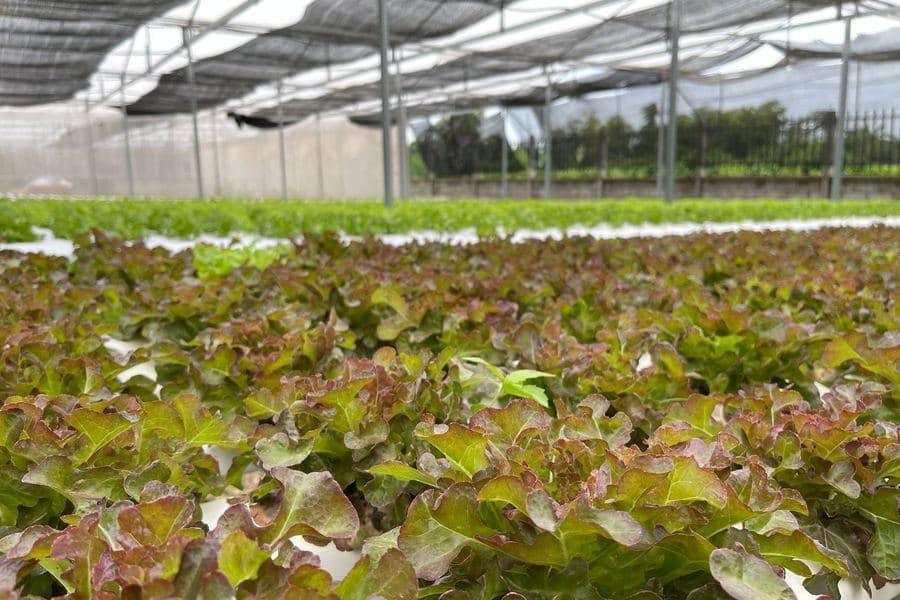 Coolaroo Garden Cover Shade Fabric, 30% UV BlockThe lightest density Coolaroo publishes, and the one to buy if your problem is scorch on a few hot afternoons rather than sun all season. | Top pick | Knitted HDPE, 30% UV block | Check price on Amazon |
| 02 | 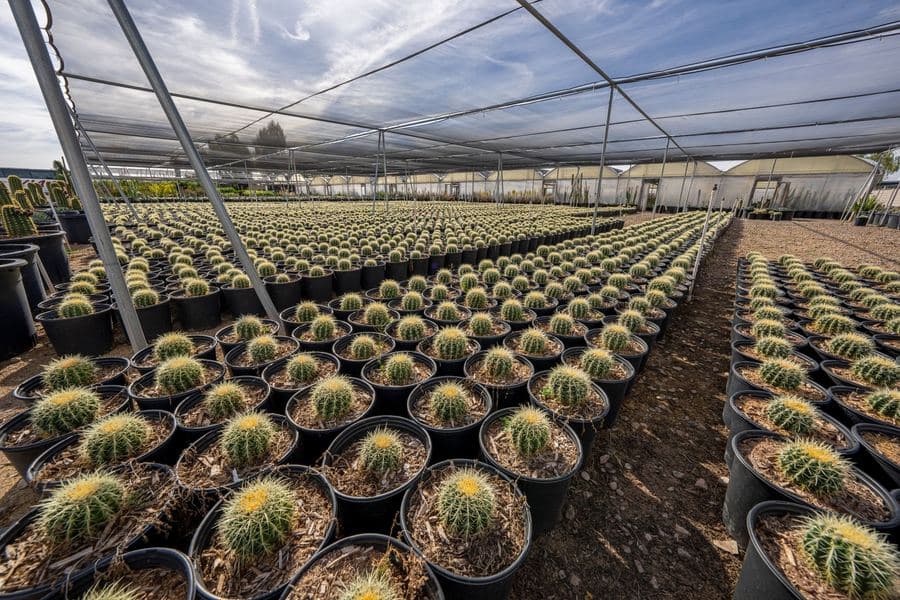 Coolaroo Garden Cover Shade Fabric, 50% UV BlockA fifteen-year fabric warranty against UV degradation on knitted HDPE — the longest published term on any shade fabric we track, at the density most vegetables want. | Best in desert heat | Knitted HDPE, up to 50% UV block, breathable to air and water | Check price on Amazon |
| 03 | 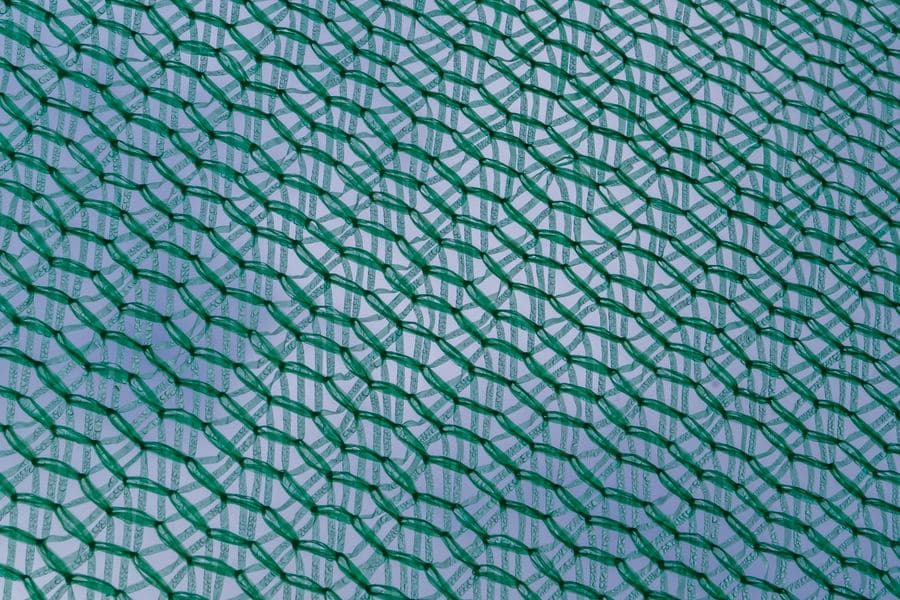 Windscreen4less Shade Fabric Cloth, 180 GSMThe only shade cloth here that publishes a GSM figure, and the only one sold cut to your dimensions — with a cut edge, which is the trade you are making. | Best as a west-side screen | 180 GSM knitted polyethylene, 75% block rate, up to 95% UV stabilized | Check price on Amazon |
| 04 |  Coolaroo Screening Shade Fabric, 70% UV BlockThe density that matches what most greenhouse guidance actually asks for, from the one brand in this category publishing its fabric construction. | Best for the transplant week | Knitted HDPE, up to 70% UV block, breathable | Check price on Amazon |
The durability table
Every published figure we could source for these structures, in one place, with the manufacturer page each number came from. Where a cell reads "Not published by manufacturer", that figure does not exist in the manufacturer's own material — we do not estimate it and we do not copy one from another site.
| Model | Wind rating (mph) | Snow load | Frame | Roof | Anchoring required | Warranty | Spec source |
|---|---|---|---|---|---|---|---|
| Coolaroo Garden Cover Shade Fabric, 30% UV BlockTop pick | Not published by manufacturer | Not published by manufacturer | No frame — knitted HDPE shade fabric | Knitted HDPE, 30% UV block | Not published by manufacturer | Not published by manufacturer | Coolaroo Garden Cover collectionChecked 2026-09-29 |
| Coolaroo Garden Cover Shade Fabric, 50% UV Block | Not published by manufacturer | Not published by manufacturer | No frame — HDPE fabric in a knitted mono/mono construction | Knitted HDPE, up to 50% UV block, breathable to air and water | Not published by manufacturer | 15-year fabric warranty against cracks, splits and tears due to UV degradation | Coolaroo Garden Cover 50% UV Block product pageChecked 2026-09-29 |
| Windscreen4less Shade Fabric Cloth, 180 GSM | Not published by manufacturer | Not published by manufacturer | No frame — 100% UV stabilized polyethylene in a lock-stitch knitted construction | 180 GSM knitted polyethylene, 75% block rate, up to 95% UV stabilized | Cut edge, no edge taping — grommets, tape and fixings are a separate purchase | 3-year limited warranty | Windscreen4less shade fabric cloth product pageChecked 2026-09-29 |
| Coolaroo Screening Shade Fabric, 70% UV Block | Not published by manufacturer | Not published by manufacturer | No frame — knitted HDPE shade fabric | Knitted HDPE, up to 70% UV block, breathable | Not published by manufacturer | Not published by manufacturer | Coolaroo Screening Shade Fabric collectionChecked 2026-09-29 |
Every pick in full
Top pick
Coolaroo Garden Cover Shade Fabric, 30% UV Block
The lightest density Coolaroo publishes, and the one to buy if your problem is scorch on a few hot afternoons rather than sun all season.
- Wind rating
- Not published by manufacturer
- Snow load
- Not published by manufacturer
- Frame
- No frame — knitted HDPE shade fabric
- Roof
- Knitted HDPE, 30% UV block
- Anchoring
- Not published by manufacturer
- Warranty
- Not published by manufacturer
- Sizes
- 6 x 15 ft
This is the density the published guidance actually points to, and it is the one most people walk past because it looks like the weakest option on the shelf.
Purdue University's Vegetable Crops Hotline is explicit: apply shade cloth, but only use the ones that have moderate shade level such as 30% shade or less. The University of California's Master Gardener guidance arrives from the other direction with a ceiling rather than a target — be sure the cloth you are using does not block more than 50% of the sunlight. 30% sits comfortably inside both.
The reason is what tomatoes are actually doing in a heatwave. They are not wilting; they are failing to set and failing to finish. Purdue puts flower abortion at temperatures above 100°F for successive days, fruit-set failure at night temperatures above 75°F, and notes that above 93°F, ripening-associated ethylene production decreases. UC Master Gardener guidance describes the same end state from the eating side: at 100 degrees the fruit develops color on the outside but fails to ripen inside, leaving you with a poor tasting tomato. A 30% cloth shaves the peak off that without taking away the light the plant needs to keep photosynthesizing.
The fabric is knitted HDPE in a mono/mono construction — monofilament in both directions, which is the more dimensionally stable weave and the one least likely to distort at the grommets or run when it snags on a cane. It is breathable to air and water, so you water straight through it rather than lifting it off every evening, which is the single thing that decides whether shade cloth stays up through a hot week.
The honest cons. It is published in 6 x 15 ft only, which is one bed, so a larger plot means buying several. And no warranty term is published at this density — Coolaroo puts its 15-year UV warranty on the 50% Garden Cover and the 90% Sun Protection fabric and not on the 30%. We would rather flag that than let you assume it carries across the range.
Skip it if: You are growing in genuine desert heat where highs sit above 100°F for weeks. 30% will not be enough and the 50% below is the trade worth making.
#ad Price shown as of September 26, 2026. How this site is funded
Specifications from Coolaroo Garden Cover collection, checked 2026-09-29.
Best in desert heat
Coolaroo Garden Cover Shade Fabric, 50% UV Block
A fifteen-year fabric warranty against UV degradation on knitted HDPE — the longest published term on any shade fabric we track, at the density most vegetables want.
- Wind rating
- Not published by manufacturer
- Snow load
- Not published by manufacturer
- Frame
- No frame — HDPE fabric in a knitted mono/mono construction
- Roof
- Knitted HDPE, up to 50% UV block, breathable to air and water
- Anchoring
- Not published by manufacturer
- Warranty
- 15-year fabric warranty against cracks, splits and tears due to UV degradation
- Sizes
- 6 x 15 ft, 6 x 100 ft and 12 x 50 ft
50% is the ceiling rather than the target, and it is the right call in exactly one situation: a climate where the alternative to a yield penalty is no fruit at all.
Be clear about what you are buying. Purdue's trial found that when 50% shade was applied, total yield was reduced after 3 weeks, and the article also notes that shade might reduce tomato sugar content because of the reduced photosynthesis rate. That is a measured cost, published by the people who measured it, and nobody selling shade cloth is going to tell you about it.
It is worth it when your plants are otherwise going to abort flowers for a month. A smaller crop of finished tomatoes beats a full set of blossoms that drop. In Phoenix or Las Vegas in July that is the actual choice; in Indiana or Oregon it is not, and reaching for 50% there is how people quietly lose a third of their harvest to a fabric they bought to help.
The fabric is the same knitted mono/mono HDPE as the 30%, breathable to air and water, and it carries the best warranty in this category: 15 years against cracks, splits and tears due to UV degradation. On a product whose only real failure mode is UV, that is coverage of the thing that actually ends it.
Sizes are 6 x 15 ft, 6 x 100 ft and 12 x 50 ft, so unlike the 30% you can buy a whole plot's worth in one roll.
The honest con is the one Purdue published. If your summer turns out mild, this will cost you fruit — Purdue also warns that using shade cloth all season in mild summers might reduce late-season yield. 50% is a response to a forecast, not a default.
Skip it if: Your summer highs are in the 90s rather than above 100°F. At that point 50% is costing you yield for heat the 30% would have handled.
#ad Price shown as of September 26, 2026. How this site is funded
Specifications from Coolaroo Garden Cover 50% UV Block product page, checked 2026-09-29.
Best as a west-side screen
Windscreen4less Shade Fabric Cloth, 180 GSM
The only shade cloth here that publishes a GSM figure, and the only one sold cut to your dimensions — with a cut edge, which is the trade you are making.
- Wind rating
- Not published by manufacturer
- Snow load
- Not published by manufacturer
- Frame
- No frame — 100% UV stabilized polyethylene in a lock-stitch knitted construction
- Roof
- 180 GSM knitted polyethylene, 75% block rate, up to 95% UV stabilized
- Anchoring
- Cut edge, no edge taping — grommets, tape and fixings are a separate purchase
- Warranty
- 3-year limited warranty
- Sizes
- Custom cut, 6-24 ft wide by 1-300 ft long
A different way to use shade cloth on tomatoes, and the one that sidesteps the density ceiling entirely: hang it vertically on the hot side instead of horizontally overhead.
The logic is simple. Afternoon sun is what does the damage — it arrives low, from the west, straight into the fruit and the cage. A vertical screen on that side blocks it for the three or four hours that matter while leaving the plants in full overhead sun for the rest of the day. Total light lost over the day is far less than a 30% canopy costs you, and the fruit is shaded at exactly the hours when sunscald happens.
That is also what makes a denser fabric usable here. At 75% block rate this would be far too dense to hang over tomatoes — both extension sources cap overhead shade at 50% — but as a vertical screen that the sun passes behind by early evening, the density is working for you.
It is the only fabric here publishing a weight: 180 GSM knitted polyethylene, up to 95% UV stabilized, in a lock-stitch knit that will not unravel from a cut. And it is sold custom cut from 6 to 24 ft wide by 1 to 300 ft long, which is what makes a long row practical — one piece down the west side of a 40-foot bed rather than six panels and five gaps.
The honest cons are real. It ships with a cut edge and no edge taping, so grommets, tape and fixings are a separate purchase and an afternoon of work. The warranty is 3 years against Coolaroo's fifteen. And it needs posts or a fence to hang from — this is not a drape-over-hoops product.
Skip it if: You want to put it over the top of the plants. At 75% block that is well past the 50% ceiling both extension sources give, and it will cost you fruit.
#ad Price shown as of September 26, 2026. How this site is funded
Specifications from Windscreen4less shade fabric cloth product page, checked 2026-09-29.
Best for the transplant week
Coolaroo Screening Shade Fabric, 70% UV Block
The density that matches what most greenhouse guidance actually asks for, from the one brand in this category publishing its fabric construction.
- Wind rating
- Not published by manufacturer
- Snow load
- Not published by manufacturer
- Frame
- No frame — knitted HDPE shade fabric
- Roof
- Knitted HDPE, up to 70% UV block, breathable
- Anchoring
- Not published by manufacturer
- Warranty
- Not published by manufacturer
- Sizes
- 6 x 15 ft, 6 x 50 ft, 6 x 100 ft and 12 x 50 ft
A narrow recommendation for a narrow job: the week after young plants go in the ground, when they have no root system to draw on and no canopy to shade their own soil.
A transplant that has spent its life in a tray is not the plant the 30% guidance is written for. It is not setting fruit, it is not ripening anything, and the thing that kills it is desiccation rather than sunscald. For that week, heavier temporary shade is the right tool — and then it comes off, because from flowering onward the density rules above apply and 70% would be well past the ceiling.
Knitted HDPE at up to 70% UV block, breathable, in the widest size range Coolaroo publishes at any density: 6 x 15 ft, 6 x 50 ft, 6 x 100 ft and 12 x 50 ft. If you are also shading a propagation area or a bench of seedlings, this is the roll that covers both jobs.
The honest cons. No warranty term is published on the screening line — Coolaroo sells it primarily as privacy screening and puts its 15-year UV term on the Garden Cover and Sun Protection fabrics instead. And the failure mode here is forgetting it is on: leave 70% over tomatoes into flowering and you will get tall, healthy, dark green plants carrying almost nothing.
If you want one cloth rather than two, buy the 30% and accept a slightly harder transplant week. Two densities is the better answer and one density is the cheaper one.
Skip it if: You want a single cloth for the whole season. 70% is a one-week tool on tomatoes and leaving it on will cost you the crop.
#ad Price shown as of September 26, 2026. How this site is funded
Specifications from Coolaroo Screening Shade Fabric collection, checked 2026-09-29.
What heat actually does to a tomato
Worth understanding before you choose a density, because the damage happens in three separate places and shade cloth only helps with some of them.
Flowering fails first. Purdue's Vegetable Crops Hotline puts flower abortion at temperatures above 100°F for successive days, and fruit-set failure at night temperatures above 75°F. That second figure is the one gardeners miss — a cloth does nothing about overnight lows, so a run of warm nights will cost you a truss regardless of what you hang over the bed.
Ripening stalls next. Purdue notes that above 93°F, ripening-associated ethylene production decreases. UC Master Gardener guidance describes what that looks like on the plate: at 100 degrees the fruit develops color on the outside but fails to ripen inside, leaving you with a poor tasting tomato. This is the complaint that sends most people looking for shade cloth in the first place, and it is the one shade cloth genuinely fixes.
And the fruit itself burns. Direct afternoon sun on an exposed fruit — usually one left uncovered after a hard pick stripped the leaves around it — scalds the shoulder. Purdue found shade cloth reduces the number of unmarketable fruit, with the most significant effect being to reduce skin crack.
UC Master Gardener guidance puts the comfortable band at daytime temperatures between 65 and 85 degrees, with problems arising when summer temperatures rise above 95. That is the number to watch on a forecast, and it is the trigger for putting cloth on.
Why more shade is the expensive mistake here
On most crops, over-shading is a minor inefficiency. On tomatoes it has been measured, and the number is not small.
Purdue's trial found that when 50% shade was applied, total yield was reduced after 3 weeks. Same plants, same season, more shade, less fruit. The article also notes that shade might reduce tomato sugar content because of the reduced photosynthesis rate — so the fruit you do get can be blander as well as scarcer.
There is a seasonal version of the same trap. Purdue warns that using shade cloth all season in mild summers might reduce late-season yield. Shade cloth on a tomato bed is a response to a forecast, not a permanent installation, and the single most common error we see is a cloth that went up in late June and never came down.
This is why the whole page is organized around density rather than around brand. Within knitted HDPE, the fabrics on this page are genuinely similar — the same polyethylene, the same lock-stitch knit, from a small number of mills. The variable that changes your harvest is the percentage printed on the label, and it is the one most listings bury under a color and a size.
- 30% is the target. Purdue: 30% shade or less. This is the density for a normal hot summer in a normal climate.
- 50% is the ceiling. UC Master Gardener: no more than 50% of the sunlight. Use it where highs sit above 100°F for extended runs, and accept the measured yield cost.
- 70% is a one-week transplant tool, not a season-long cover.
- 90% is for shading people. Over a tomato bed it is simply the wrong product.
- Night temperature is not a shade problem. Above 75°F overnight, fruit set fails and no cloth will change that. GSM and shade percentage explained covers how these numbers are measured.
Putting it up, and taking it off
Five steps. The last one is the one that separates a good season from a mediocre one.
- 01Wait for the forecast, not the calendar. UC Master Gardener guidance puts the problem threshold at highs above 95°F. Below that, a cloth is costing you light for nothing. Put it up when the forecast crosses it and not in advance.
- 02Leave an air gap above the canopy. Cloth resting on foliage transmits heat by contact and traps humidity against the leaves, which gives you the scorch and the mildew you put it up to prevent. Six inches of moving air over hoops or a frame is enough.
- 03Shade the west side hardest. Afternoon sun is what scalds fruit. If you are only covering part of the bed, cover the side the sun sets on — or hang a vertical screen there instead, which costs far less total light than a full canopy.
- 04Tension it firmly, with a little give, and spread the load at every fixing. A drum-tight cloth tears at its grommets in a gust; a slack one flogs and abrades itself along every edge. Ball bungees rather than rigid ties, and more fixings rather than fewer.
- 05Take it off when the heat breaks. This is the step people skip, and Purdue is explicit that all-season shade in a mild summer can reduce late-season yield. Once highs settle back under the mid-90s, the cloth is costing you the sugar and the ripening it was protecting. Rinse it, dry it, and store it out of sunlight — UV is what ends this fabric, so a cloth that winters in a shed outlasts one left on the hoops.
What we would actually do
In a normal climate with a few bad weeks: the Coolaroo Garden Cover at 30%, over hoops with six inches of clearance, up when the forecast crosses 95°F and off when it drops back. It is the density both extension sources point at and the one that does not cost you fruit.
In genuine desert heat: the 50% Garden Cover, knowingly. You are trading measured yield for a crop that finishes at all, and in Phoenix in July that is the correct trade. It is also the better-warranted fabric at 15 years against UV degradation and the only one sold in a whole-plot roll.
For a long row, or where you would rather not lose overhead light at all: the Windscreen4less 180 GSM cut to length, hung vertically on the west side. It blocks the sun at the hours that matter and leaves the plants in full light for the rest of the day. Budget an afternoon for finishing the cut edge.
And if you are buying two cloths rather than one: add the 70% screening fabric for the transplant week and nothing else. Take it off at flowering. Best shade cloth for gardens has the density table for everything else in the plot.
What we cut, and why
Every model below was a genuine candidate and did not make the list. The reason is stated in each case, because a shortlist with no visible rejections is not evidence of a selection process.
- 90% shade fabric, and anything above 50%, as an overhead canopy
- Both published sources we rely on cap overhead shade for tomatoes at 50% — Purdue recommends 30% or less, UC Master Gardener guidance says no more than 50%. A 90% fabric over a tomato bed produces exactly what you would expect: a healthy green plant doing very little. It is an excellent fabric for [shading a seating area](/shade-sails/best-shade-sails-for-patio) and the wrong one here.
- Woven shade cloth
- Woven fabric frays from any cut or tear and the tear runs. Every cloth on this page is knitted, which locks at the stitch and stops. Over a tomato bed, where the cloth catches on cages and canes every time you pick, that difference decides whether you get three seasons or one.
- Solid and waterproof covers
- They stop rain, which means hand-watering from then on, and they hold heat underneath instead of letting it rise. Both are the opposite of what a tomato cover is for. If rain-splash disease is your actual problem rather than heat, a tunnel is the product and shade cloth is not.
- Aluminet and reflective fabrics
- They work — reflecting heat rather than absorbing it keeps the air underneath measurably cooler, which is a real advantage over a black knit. We could not source manufacturer-published shade percentages or warranty terms for the versions sold into home gardens, and an unstated density is unusable on a crop where the density is the entire decision. That is a disqualification under our [methodology](/methodology), not a verdict on the material.
- Shade sails, as a tomato cover
- A sail is a tensioned structure with a reinforced edge, sold at effectively one density — around 95% block. That is roughly double the ceiling for tomatoes. It is the right product over a patio and the wrong one over a bed, and [shade sail vs shade cloth](/shade-sails/shade-sail-vs-shade-cloth) explains why the two are not interchangeable.
Questions people ask
What percentage shade cloth is best for tomatoes?
Can too much shade hurt tomatoes?
At what temperature do tomatoes stop producing?
Will shade cloth stop tomato sunscald?
When should I put shade cloth on tomatoes?
Does shade cloth affect tomato flavor?
Can you water through shade cloth?
Will shade cloth help if my nights are hot?
Where these figures came from
- Purdue University Vegetable Crops Hotline, Wenjing Guan (22 June 2016) — 30% shade or less for tomatoes, flower abortion above 100°F, fruit-set failure above 75°F at night, ethylene production decreasing above 93°F, 50% shade reducing total yield after 3 weeks, reduced skin crack and sugar content
- UC Master Gardener Program of Contra Costa County — ideal daytime range 65-85°F, problems above 95°F, external color without internal ripening at 100°F, and the instruction not to block more than 50% of the sunlight
- Coolaroo Garden Cover Shade Fabric, 50% UV Block — knitted mono/mono HDPE, 15-year fabric warranty against UV degradation, sizes and care instructions
- Coolaroo Garden Cover collection — 30% and 50% UV block densities, sizes and current availability
- Coolaroo Screening Shade Fabric collection — 70% UV block, sizes and current availability
- Windscreen4less shade fabric cloth — 180 GSM knitted polyethylene, 75% block rate, up to 95% UV stabilized, cut edge, 3-year limited warranty, custom sizing
Found an error? Tell us and we will correct it within seven days and note the change on the page with a dated line — see our editorial policy.