The best shade sails for patios
A patio is a rectangle with a house on one side, which makes it the hardest shape to shade with a sail and the one where edge construction matters most.
By Ryder M. · Published · Last updated
We compare published manufacturer specifications, warranty terms and owner-reported failure modes. We have not physically tested these structures. How we judge shade structures
Slat & Shade earns a commission on qualifying purchases made through links on this page. It costs you nothing extra and never changes what we recommend. Full disclosure
Part of Shade Sails
The short answer
The ColourTree rectangle at 190 GSM: the shape that matches a patio, with 95% UV block, stainless D-rings and a three-year warranty. For a windy patio, the Windscreen4less cable sail at 260 GSM with a galvanized cable edge and a seven-year term is the stronger purchase.
Our picks at a glance
| # | Structure | Best for | Fabric | Price |
|---|---|---|---|---|
| 01 |  ColourTree Rectangle Sun Shade Sail, 190 GSMThe clearest published fabric spec in the category — 190 GSM virgin HDPE, 95% UV block, three-year warranty — with the hardware sold separately. | Top pick | 190 GSM HDPE mesh, 95% UV block, breathable | Check price on Amazon |
| 02 |  Windscreen4less Cable Shade Sail, 260 GSMThe heaviest fabric and the longest warranty of any sail here — seven years — and the only one with a galvanized cable sewn through the perimeter. | Best for an exposed patio | 260 GSM high-density polyethylene, UV 95 | Check price on Amazon |
| 03 |  ColourTree Triangle Sun Shade Sail, 200 GSMA heavier 200 GSM fabric in the shape that tensions most predictably — three anchor points cannot fight each other the way four can. | Best for an awkward corner | 200 GSM HDPE, 95% UV block | Check price on Amazon |
| 04 | 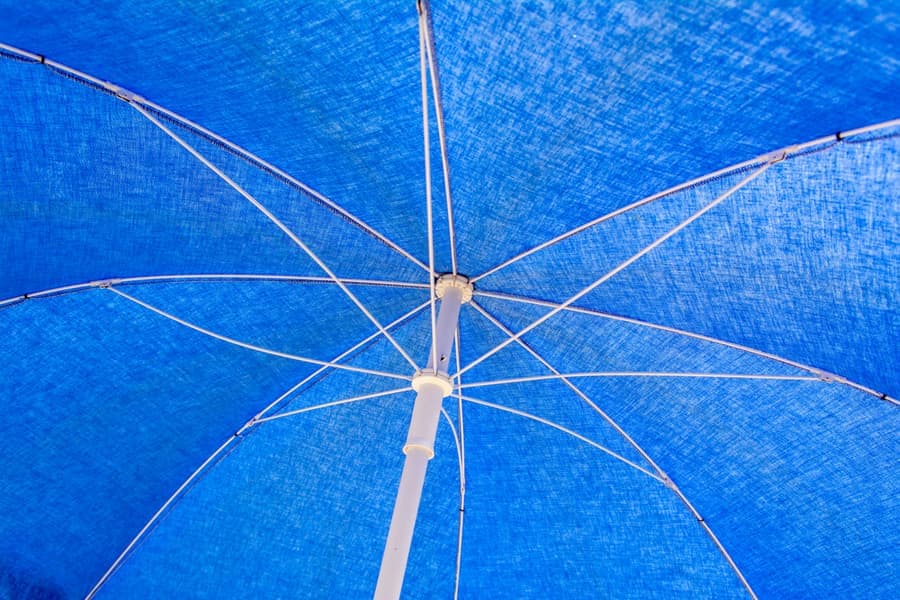 Windscreen4less Waterproof Shade SailA genuinely waterproof polyester sail rather than a breathable mesh — which means it sheds rain and catches wind in equal measure. | Best if you want to stay dry | Terylene polyester, waterproof, UV 95 | Check price on Amazon |
| 05 | 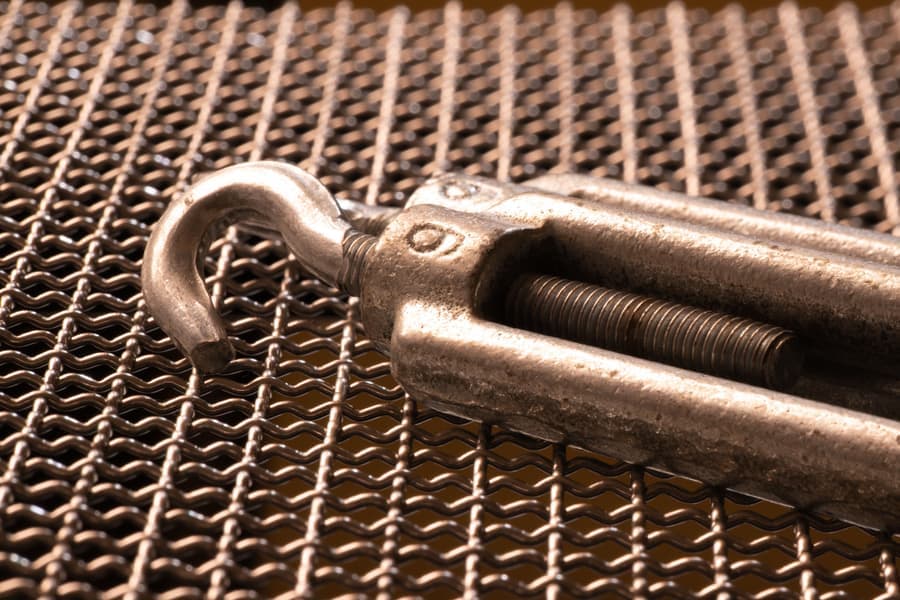 SUNNY GUARD Shade Sail Hardware Kit, 316 Stainless316 marine-grade stainless rather than 304 — the difference that decides whether your fixings survive a coastal or pool-side install. | The purchase everyone forgets | Not published by manufacturer | Check price on Amazon |
The durability table
Every published figure we could source for these structures, in one place, with the manufacturer page each number came from. Where a cell reads "Not published by manufacturer", that figure does not exist in the manufacturer's own material — we do not estimate it and we do not copy one from another site.
| Model | Wind rating (mph) | Snow load | Frame | Roof | Anchoring required | Warranty | Spec source |
|---|---|---|---|---|---|---|---|
| ColourTree Rectangle Sun Shade Sail, 190 GSMTop pick | Not published by manufacturer | Not published by manufacturer | No frame — 100% virgin (non-recycled) HDPE fabric, reinforced stitched seams | 190 GSM HDPE mesh, 95% UV block, breathable | Stainless steel D-ring at each corner; cable rope and hardware kits sold separately | 3 years under normal weather and usage | ColourTree rectangle shade sail product pageChecked 2026-09-26 |
| Windscreen4less Cable Shade Sail, 260 GSM | Not published by manufacturer | Not published by manufacturer | Steel-wired perimeter with galvanized cable and A-ring reinforcement | 260 GSM high-density polyethylene, UV 95 | Strengthened A-rings at the corners, steel wire reinforced edges | 7 years under normal weather conditions | Windscreen4less shade sails pageChecked 2026-09-26 |
| ColourTree Triangle Sun Shade Sail, 200 GSM | Not published by manufacturer | Not published by manufacturer | No frame — breathable HDPE fabric | 200 GSM HDPE, 95% UV block | Stainless steel D-rings at the corners; hardware sold separately | 3 years | ColourTree triangle shade sail product pageChecked 2026-09-26 |
| Windscreen4less Waterproof Shade Sail | Not published by manufacturer | Not published by manufacturer | Webbing-reinforced perimeter | Terylene polyester, waterproof, UV 95 | Not published by manufacturer | 3 years | Windscreen4less waterproof shade sails pageChecked 2026-09-26 |
| SUNNY GUARD Shade Sail Hardware Kit, 316 Stainless | Not published by manufacturer | Not published by manufacturer | 316 marine-grade stainless steel | Not published by manufacturer | Turnbuckles, pad eyes, snap hooks, screws and expansion anchors; sized for triangle sails under 161 sq ft | Not published by manufacturer | SUNNY GUARD hardware kit product pageChecked 2026-09-26 |
Every pick in full
Top pick
ColourTree Rectangle Sun Shade Sail, 190 GSM
The clearest published fabric spec in the category — 190 GSM virgin HDPE, 95% UV block, three-year warranty — with the hardware sold separately.
- Wind rating
- Not published by manufacturer
- Snow load
- Not published by manufacturer
- Frame
- No frame — 100% virgin (non-recycled) HDPE fabric, reinforced stitched seams
- Roof
- 190 GSM HDPE mesh, 95% UV block, breathable
- Anchoring
- Stainless steel D-ring at each corner; cable rope and hardware kits sold separately
- Warranty
- 3 years under normal weather and usage
- Sizes
- 14 sizes, 8 x 10 ft to 16 x 20 ft
A patio is a rectangle, and the sail that covers a rectangle without wasting half its area is a rectangle. That sounds obvious and it is the single most common mistake in this category — a triangle over a rectangular patio leaves two corners in full sun and the furniture in one of them.
190 GSM 100% virgin (non-recycled) HDPE mesh, 95% UV block, breathable, with reinforced stitched seams. The virgin-HDPE detail is worth having: recycled polyethylene is less consistent in its UV stabilisation, which on a product whose only failure mode is UV is the thing you are buying.
Stainless steel D-rings at every corner, and a 3-year warranty under normal weather and usage.
Breathable matters on a patio specifically. A mesh sail lets hot air rise through it, so the space underneath stays moving rather than becoming a warm pocket — and it lets a gust pass through rather than lifting. That is why a breathable sail survives weather a waterproof one does not.
Fourteen sizes, 8 x 10 ft to 16 x 20 ft, which is the widest useful range here and means you can size to the patio rather than the other way round. The cable rope and hardware are sold separately, which is the standard arrangement in this category and a real additional purchase.
Skip it if: Your patio is windy or the span is over about sixteen feet. At 190 GSM with a stitched edge, the cable sail below is the stronger structure.
#ad Price shown as of September 26, 2026. How this site is funded
Specifications from ColourTree rectangle shade sail product page, checked 2026-09-26.
Best for an exposed patio
Windscreen4less Cable Shade Sail, 260 GSM
The heaviest fabric and the longest warranty of any sail here — seven years — and the only one with a galvanized cable sewn through the perimeter.
- Wind rating
- Not published by manufacturer
- Snow load
- Not published by manufacturer
- Frame
- Steel-wired perimeter with galvanized cable and A-ring reinforcement
- Roof
- 260 GSM high-density polyethylene, UV 95
- Anchoring
- Strengthened A-rings at the corners, steel wire reinforced edges
- Warranty
- 7 years under normal weather conditions
- Sizes
- Not published by manufacturer
The heaviest fabric and the longest warranty of any sail we track, with the edge construction that actually decides whether a sail survives a windy site.
260 GSM high-density polyethylene, UV 95, with a galvanized cable sewn through the perimeter and strengthened A-rings at the corners. A cable edge is a fundamentally different thing from a stitched or webbing edge: the tension runs through steel around the whole perimeter rather than through fabric stitching, so the load at the corners is carried by the cable rather than by the last inch of cloth.
Seven years under normal weather conditions, against the three years that the rest of the category publishes. That is more than double, and on a product whose whole proposition is UV survival it is the most meaningful specification difference on this page.
260 GSM is roughly forty percent heavier fabric than the ColourTree rectangle, which shows up as a sail that holds its shape under tension instead of stretching and starting to flog.
No size is published on the manufacturer's page, which is the gap. You will be checking sizes at the point of purchase rather than planning from the spec sheet.
Skip it if: Your patio is small and sheltered. A cable-edged 260 GSM sail is more structure than a ten-foot span over a courtyard needs.
#ad Price shown as of September 26, 2026. How this site is funded
Specifications from Windscreen4less shade sails page, checked 2026-09-26.
Best for an awkward corner
ColourTree Triangle Sun Shade Sail, 200 GSM
A heavier 200 GSM fabric in the shape that tensions most predictably — three anchor points cannot fight each other the way four can.
- Wind rating
- Not published by manufacturer
- Snow load
- Not published by manufacturer
- Frame
- No frame — breathable HDPE fabric
- Roof
- 200 GSM HDPE, 95% UV block
- Anchoring
- Stainless steel D-rings at the corners; hardware sold separately
- Warranty
- 3 years
- Sizes
- Not published by manufacturer
Triangles get a bad name on patios and they deserve one as the primary sail — but as a second sail filling a corner, or over a patio that genuinely is a triangle, nothing tensions as predictably.
Three anchor points cannot fight each other the way four can. A rectangle has to be tensioned diagonally and evenly or it wrinkles and flogs along one edge; three points define a plane, and a triangle pulls flat almost regardless of where the anchors are. That is the real engineering argument for the shape.
200 GSM HDPE at 95% UV block — marginally heavier fabric than the rectangle — with stainless steel D-rings at the corners and a 3-year warranty.
The arrangement that actually works on a patio is two overlapping triangles rather than one: opposing orientations, one anchored slightly higher, covering a rectangle between them with an overlap in the middle. It looks deliberate rather than improvised and it sheds rain better than a single flat sail.
No size range is published on the manufacturer's page, which for planning a two-sail layout is genuinely inconvenient.
Skip it if: You want one sail over one patio. A single triangle over a rectangle leaves two corners in full sun.
#ad Price shown as of September 26, 2026. How this site is funded
Specifications from ColourTree triangle shade sail product page, checked 2026-09-26.
Best if you want to stay dry
Windscreen4less Waterproof Shade Sail
A genuinely waterproof polyester sail rather than a breathable mesh — which means it sheds rain and catches wind in equal measure.
- Wind rating
- Not published by manufacturer
- Snow load
- Not published by manufacturer
- Frame
- Webbing-reinforced perimeter
- Roof
- Terylene polyester, waterproof, UV 95
- Anchoring
- Not published by manufacturer
- Warranty
- 3 years
- Sizes
- Not published by manufacturer
A genuinely waterproof polyester sail rather than a breathable mesh, which on a patio is the most tempting option and the one with the biggest trade attached.
Terylene polyester, waterproof, UV 95, on a webbing-reinforced perimeter, with a 3-year warranty. It sheds rain properly, which means a patio table you can still sit at during a shower — the thing mesh sails cannot do.
And it catches wind in exactly the same measure. A solid sail has nowhere for a gust to go. Every bit of load that a mesh sail lets through, this one transfers into your anchor points, which is why a waterproof sail needs stronger fixings, a steeper pitch and a shorter span than a mesh one of the same size.
The pitch is not optional. A waterproof sail installed flat ponds — water collects, the weight stretches the fabric, more water collects, and the sail either tears or pulls a fixing out. A minimum of about 20 degrees of fall to one corner, and a clear path for the water to leave.
Heat is the second trade. A solid sail traps the hot air under it rather than letting it rise, so a patio under waterproof fabric on a still August afternoon is warmer than one under mesh. HDPE vs waterproof shade fabric has the full comparison.
Skip it if: Your patio is exposed, or you cannot build in a real slope. A flat waterproof sail is a pond waiting to happen.
#ad Price shown as of September 26, 2026. How this site is funded
Specifications from Windscreen4less waterproof shade sails page, checked 2026-09-26.
The purchase everyone forgets
SUNNY GUARD Shade Sail Hardware Kit, 316 Stainless
316 marine-grade stainless rather than 304 — the difference that decides whether your fixings survive a coastal or pool-side install.
- Wind rating
- Not published by manufacturer
- Snow load
- Not published by manufacturer
- Frame
- 316 marine-grade stainless steel
- Roof
- Not published by manufacturer
- Anchoring
- Turnbuckles, pad eyes, snap hooks, screws and expansion anchors; sized for triangle sails under 161 sq ft
- Warranty
- Not published by manufacturer
- Sizes
- M6 turnbuckles, 6 in. to 8 in. adjustable range
Every sail on this page ships without the hardware to hang it, and the hardware is what fails first on a badly specified install. Including it here is not padding — it is the second half of the purchase.
316 marine-grade stainless steel, which is the specification to insist on rather than 304. The difference is molybdenum, and it is what decides whether the fixings survive a coastal site or a patio next to a pool. Chlorinated splash and salt air both attack 304 stainless in a way they do not attack 316, and the failure shows up as staining on your patio long before it shows up as a broken fitting.
Turnbuckles, pad eyes, snap hooks, screws and expansion anchors, with M6 turnbuckles offering a 6 to 8 in. adjustable range.
That adjustment range is the part that makes an install work. A sail needs re-tensioning as the fabric settles in its first season, and a turnbuckle with two inches of travel gives you nowhere to go on the second adjustment.
The kit is sized for triangle sails under 161 sq ft, so for a large rectangle over a patio you are buying heavier hardware. Check the rating against your sail area rather than assuming a kit covers it.
Skip it if: Your sail is over 161 sq ft. This kit is sized for smaller triangles and you need heavier fittings.
#ad Price shown as of September 26, 2026. How this site is funded
Specifications from SUNNY GUARD hardware kit product page, checked 2026-09-26.
Why a patio is the hardest shape to shade
A shade sail works by tension. Pull fabric between anchor points, put a curve into the edges, and it holds a shape that sheds wind and rain. That works beautifully over open ground and awkwardly over a patio, for three reasons.
A patio is a rectangle, and rectangles are hard to tension. Four anchor points can fight each other — pull two tight and the other two go slack, and the sail wrinkles along one edge and flogs there in every breeze. Three points define a plane and cannot argue, which is the entire case for triangles.
One side is a house. That fixing has to land on something structural, and the obvious place — the fascia — is not. It has to reach a rafter, a wall plate or masonry, which frequently means the fixing goes somewhere other than where the design wants it.
And the patio is where the furniture is, so the sail's low corner has to be somewhere you are not walking. A sail needs a pitch to shed water and a low corner to shed it to, and on a patio that corner is usually over the barbecue.
None of that makes a sail wrong for a patio — it makes the planning matter more than the product. Shade sail sizing and tension covers the geometry properly.
The specs that separate them
Four numbers, in the order they matter over a patio.
- Edge construction. A galvanized cable sewn through the perimeter, as on the Windscreen4less 260 GSM, carries corner load through steel. A webbing edge carries it through reinforced strap. A stitched edge carries it through the fabric itself. Over a patio span, where the sail is large and the anchors are fixed, this predicts failure better than anything else.
- GSM. 180, 190, 200 and 260 across the products here. Heavier fabric holds its shape under tension instead of stretching, and a stretched sail flogs, and flogging is what abrades a sail to death. 260 GSM is roughly forty percent more fabric than 190.
- Warranty. Three years is the category norm; Windscreen4less publishes seven on the cable sail. On a product whose only real failure mode is UV degradation, more than double the term is a substantial statement.
- Breathable or waterproof. A mesh sail lets wind and rain through and stays cool underneath. A waterproof sail keeps you dry and transfers every bit of wind load into the anchors. They are different products for different patios and neither is the upgrade.
Planning a patio installation
Six steps, in the order that stops you buying the wrong sail.
- 01Find your anchor points before you choose a size. Existing posts, a solid wall, a mature tree, or somewhere you can set a post in concrete. A sail is defined by where you can pull from, not by the shape of the patio — and the most common failure is buying a sail and then discovering there is nothing to attach the fourth corner to.
- 02Get the house fixing onto something structural. A rafter, a wall plate, or masonry with a proper resin anchor. Not fascia board. This is the fixing that fails, and when it fails it takes woodwork with it.
- 03Design in at least 20 degrees of fall, more for a waterproof sail. Water has to leave and it has to leave somewhere specific. A sail installed flat will pond, and ponding stretches fabric permanently before it tears anything.
- 04Allow about 10% of the span for hardware and tensioning. A 16 ft gap does not take a 16 ft sail — you need room for turnbuckles, shackles and the curve of the edges. Buy the sail smaller than the gap, not to fit it.
- 05Specify 316 stainless hardware, especially near a pool or the coast, and check the kit's rating against your sail area rather than assuming.
- 06Re-tension it after the first few weeks, and take it down before winter storms. New fabric settles, and a slack sail flogs and abrades itself at the corners. How to install a shade sail has the full method.
What we would actually do
Over a normal sheltered patio: the ColourTree rectangle at 190 GSM, sized about ten percent under the span, with 316 stainless hardware and a real fall to one corner. The shape matches the space and the virgin-HDPE fabric is the right material.
Over an exposed or coastal patio: the Windscreen4less cable sail at 260 GSM. A galvanized cable edge and seven years of warranty is a different class of product, and on a windy site the edge construction is what decides whether you are re-buying in year three.
Over an awkward patio, or one with a tree in the wrong place: two overlapping ColourTree triangles at 200 GSM in opposing orientations, one higher than the other. It covers a rectangle, it tensions predictably, and it sheds rain better than a single sail.
And in every case: buy the 316 stainless hardware as part of the purchase, not afterwards. Every sail here ships without it, and it is the component that fails first when it is wrong.
What we cut, and why
Every model below was a genuine candidate and did not make the list. The reason is stated in each case, because a shortlist with no visible rejections is not evidence of a selection process.
- Shade sails with no published GSM
- Fabric weight is the specification that predicts how long a sail holds its shape and how it behaves under tension. A listing giving a colour, a size and "heavy duty" tells you nothing comparable, and in a category where the honest products publish 180 to 260 GSM, silence reads as the light end.
- Sails sold with hardware bundled
- Not an objection to the idea — an objection to what is usually in the bag. Bundled hardware is routinely 304 stainless or plated steel, sized to the smallest sail in the range. On a patio next to a pool that is a staining problem within a season. Buy the sail and the 316 hardware separately.
- Sails installed to house fascia without a spreader
- Not a product but a pattern worth cutting. A patio sail usually needs one fixing on the house, and fascia board is not a structural member. The load has to reach a rafter or a wall plate, and a pad eye screwed into fascia will pull out and take the board with it.
Questions people ask
What is the best shade sail for a patio?
What shape shade sail is best for a patio?
What size shade sail do I need for my patio?
Can you attach a shade sail to a house?
Are waterproof shade sails better for a patio?
How much pitch does a patio shade sail need?
What hardware do I need for a patio shade sail?
Should you take a patio shade sail down in winter?
Where these figures came from
- ColourTree rectangle sun shade sail — 190 GSM virgin HDPE, 95% UV block, stainless D-rings, 3-year warranty, 14 sizes from 8 x 10 ft to 16 x 20 ft
- Windscreen4less shade sails — 260 GSM cable sail with galvanized cable perimeter and A-rings at UV 95 on a 7-year warranty, 180 GSM webbing sail at UV 90 on 3 years
- ColourTree triangle sun shade sail — 200 GSM HDPE, 95% UV block, stainless D-rings, 3-year warranty
- Windscreen4less waterproof shade sails — Terylene polyester, waterproof, UV 95, webbing-reinforced perimeter, 3-year warranty
- SUNNY GUARD shade sail hardware kit — 316 marine-grade stainless, M6 turnbuckles with 6-8 in. adjustment, sized for triangle sails under 161 sq ft
Found an error? Tell us and we will correct it within seven days and note the change on the page with a dated line — see our editorial policy.