The best shade cloth for gardens
Shade cloth is sold by a percentage, and the percentage is the whole decision. Too little and nothing changes; too much and you have traded scorch for a poor harvest.
By Ryder M. · Published · Last updated
We compare published manufacturer specifications, warranty terms and owner-reported failure modes. We have not physically tested these structures. How we judge shade structures
Slat & Shade earns a commission on qualifying purchases made through links on this page. It costs you nothing extra and never changes what we recommend. Full disclosure
Part of Shade Sails
The short answer
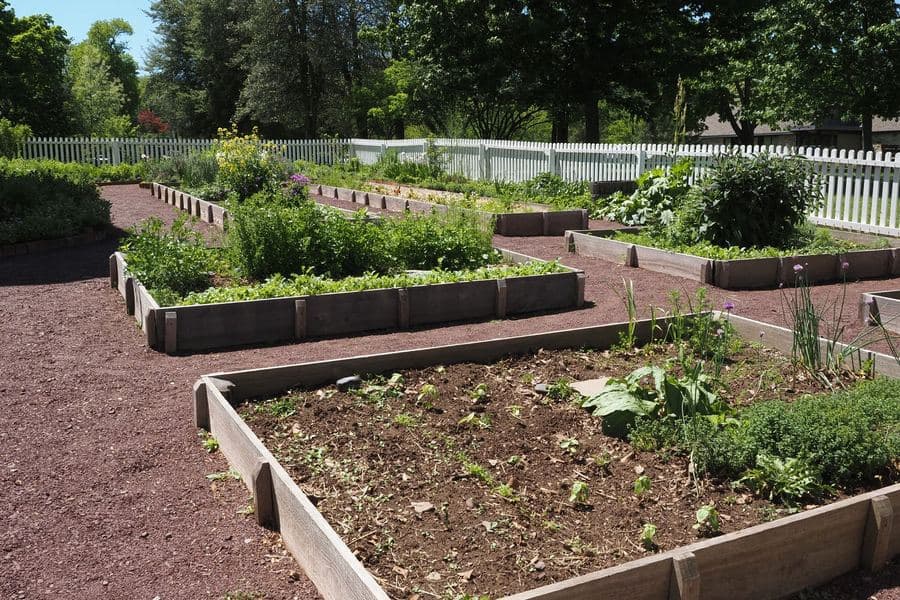
The Coolaroo Garden Cover at 50% UV block, for most vegetables: knitted HDPE with a fifteen-year fabric warranty against UV degradation, which is the longest published term on any shade fabric we track. Drop to 30% for fruiting crops that still need sun, and go to 70% only for deep shade beds and seedlings.
Our picks at a glance
| # | Structure | Best for | Fabric | Price |
|---|---|---|---|---|
| 01 | 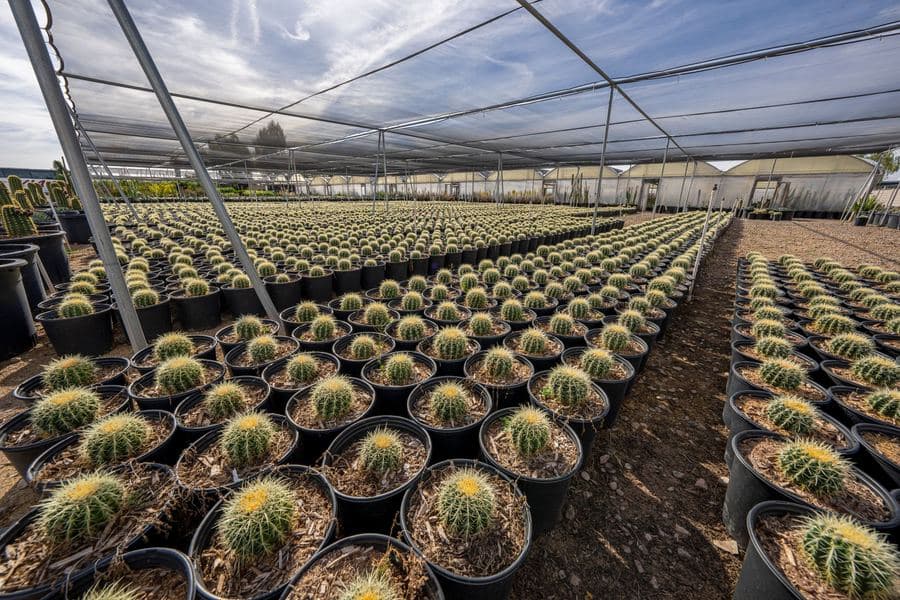 Coolaroo Garden Cover Shade Fabric, 50% UV BlockA fifteen-year fabric warranty against UV degradation on knitted HDPE — the longest published term on any shade fabric we track, at the density most vegetables want. | Top pick | Knitted HDPE, up to 50% UV block, breathable to air and water | Check price on Amazon |
| 02 | 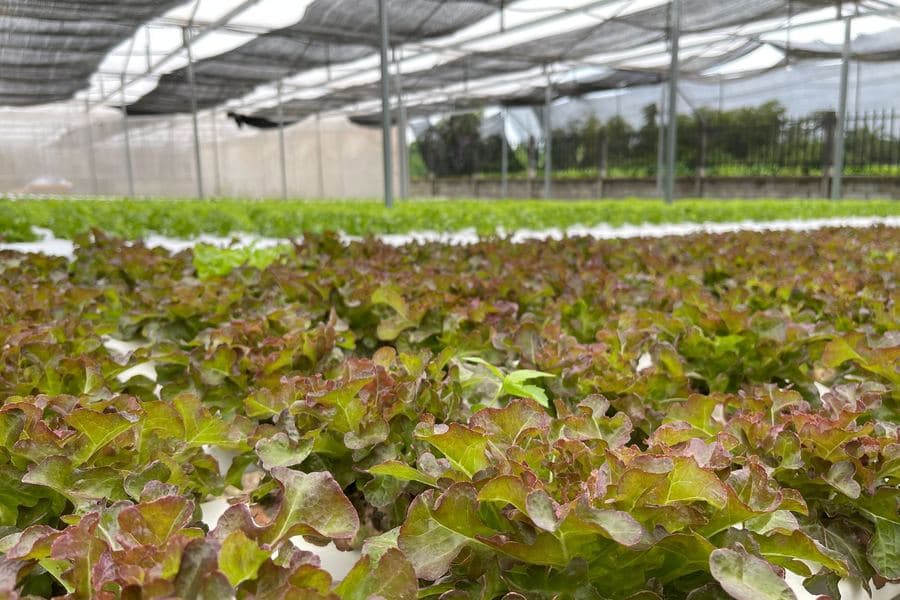 Coolaroo Garden Cover Shade Fabric, 30% UV BlockThe lightest density Coolaroo publishes, and the one to buy if your problem is scorch on a few hot afternoons rather than sun all season. | Best for fruiting crops | Knitted HDPE, 30% UV block | Check price on Amazon |
| 03 | 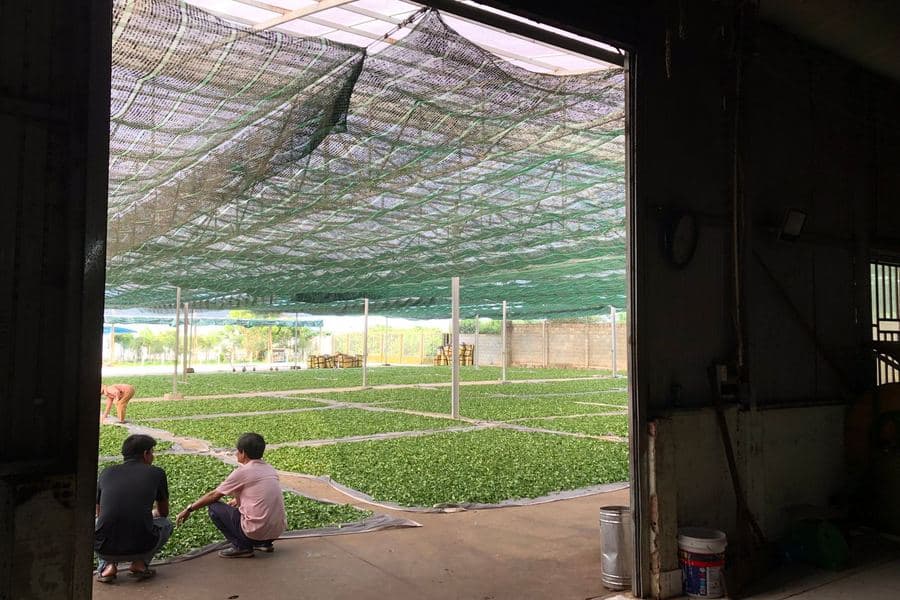 Coolaroo Screening Shade Fabric, 70% UV BlockThe density that matches what most greenhouse guidance actually asks for, from the one brand in this category publishing its fabric construction. | Best for deep shade and seedlings | Knitted HDPE, up to 70% UV block, breathable | Check price on Amazon |
| 04 | 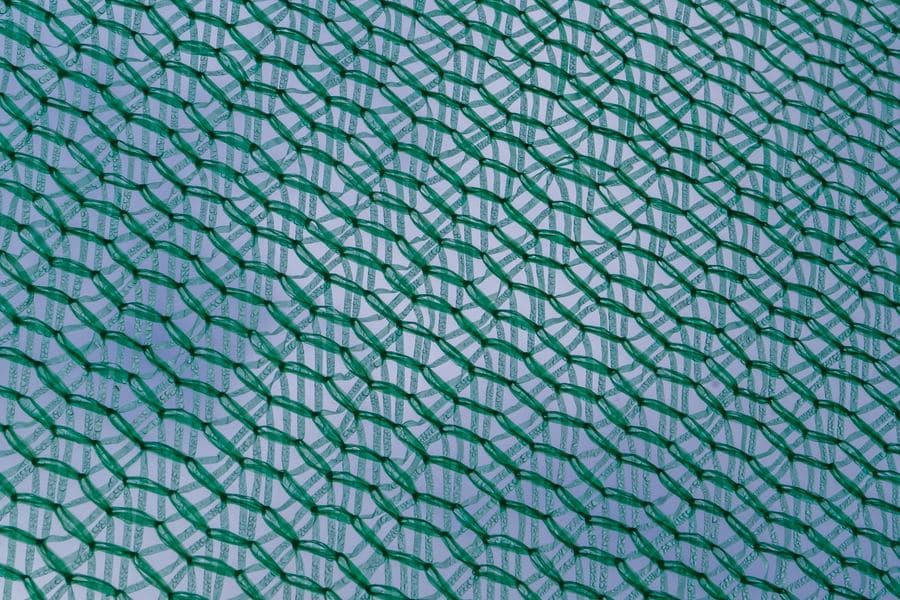 Windscreen4less Shade Fabric Cloth, 180 GSMThe only shade cloth here that publishes a GSM figure, and the only one sold cut to your dimensions — with a cut edge, which is the trade you are making. | Best for an awkward area | 180 GSM knitted polyethylene, 75% block rate, up to 95% UV stabilized | Check price on Amazon |
| 05 | 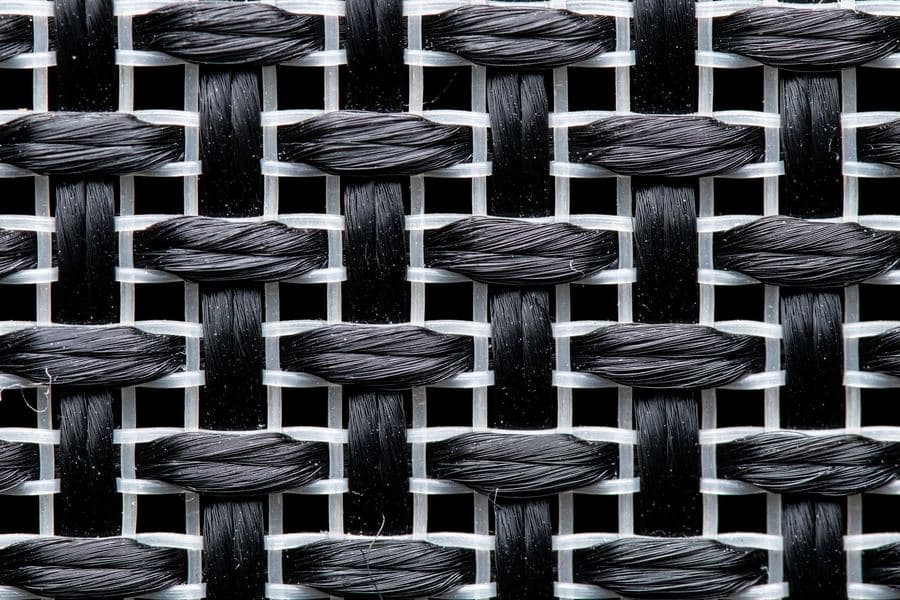 Coolaroo Sun Protection Shade Fabric, 90% UV BlockThe densest fabric Coolaroo publishes, on the same fifteen-year UV warranty — the one to buy when the thing you are shading is people rather than plants. | For people, not plants | Knitted HDPE, up to 90% UV block, air flows through the knit | Check price on Amazon |
The durability table
Every published figure we could source for these structures, in one place, with the manufacturer page each number came from. Where a cell reads "Not published by manufacturer", that figure does not exist in the manufacturer's own material — we do not estimate it and we do not copy one from another site.
| Model | Wind rating (mph) | Snow load | Frame | Roof | Anchoring required | Warranty | Spec source |
|---|---|---|---|---|---|---|---|
| Coolaroo Garden Cover Shade Fabric, 50% UV BlockTop pick | Not published by manufacturer | Not published by manufacturer | No frame — HDPE fabric in a knitted mono/mono construction | Knitted HDPE, up to 50% UV block, breathable to air and water | Not published by manufacturer | 15-year fabric warranty against cracks, splits and tears due to UV degradation | Coolaroo Garden Cover 50% UV Block product pageChecked 2026-09-29 |
| Coolaroo Garden Cover Shade Fabric, 30% UV Block | Not published by manufacturer | Not published by manufacturer | No frame — knitted HDPE shade fabric | Knitted HDPE, 30% UV block | Not published by manufacturer | Not published by manufacturer | Coolaroo Garden Cover collectionChecked 2026-09-29 |
| Coolaroo Screening Shade Fabric, 70% UV Block | Not published by manufacturer | Not published by manufacturer | No frame — knitted HDPE shade fabric | Knitted HDPE, up to 70% UV block, breathable | Not published by manufacturer | Not published by manufacturer | Coolaroo Screening Shade Fabric collectionChecked 2026-09-29 |
| Windscreen4less Shade Fabric Cloth, 180 GSM | Not published by manufacturer | Not published by manufacturer | No frame — 100% UV stabilized polyethylene in a lock-stitch knitted construction | 180 GSM knitted polyethylene, 75% block rate, up to 95% UV stabilized | Cut edge, no edge taping — grommets, tape and fixings are a separate purchase | 3-year limited warranty | Windscreen4less shade fabric cloth product pageChecked 2026-09-29 |
| Coolaroo Sun Protection Shade Fabric, 90% UV Block | Not published by manufacturer | Not published by manufacturer | No frame — HDPE fabric in a knitted tape/mono construction | Knitted HDPE, up to 90% UV block, air flows through the knit | Not published by manufacturer | 15-year fabric warranty against cracks, splits and tears due to UV degradation | Coolaroo Sun Protection Fabric 90% UV Block product pageChecked 2026-09-29 |
Every pick in full
Top pick
Coolaroo Garden Cover Shade Fabric, 50% UV Block
A fifteen-year fabric warranty against UV degradation on knitted HDPE — the longest published term on any shade fabric we track, at the density most vegetables want.
- Wind rating
- Not published by manufacturer
- Snow load
- Not published by manufacturer
- Frame
- No frame — HDPE fabric in a knitted mono/mono construction
- Roof
- Knitted HDPE, up to 50% UV block, breathable to air and water
- Anchoring
- Not published by manufacturer
- Warranty
- 15-year fabric warranty against cracks, splits and tears due to UV degradation
- Sizes
- 6 x 15 ft, 6 x 100 ft and 12 x 50 ft
50% is the density most vegetable growing actually wants, and this is the only product at that density whose manufacturer publishes both what the fabric is and how long it will stand behind it.
Knitted HDPE in a mono/mono construction, up to 50% UV block, breathable to air and water. The mono/mono detail matters more than it sounds: a monofilament knit in both directions is a more dimensionally stable fabric than a tape weave, which means it does not distort at the grommets or run when it snags on a cane.
Fifteen years of fabric warranty against cracks, splits and tears due to UV degradation. That is the longest published term on any shade fabric on this site by a factor of five — the shade sails we cover run three to seven years. On a product whose single failure mode is UV, a fifteen-year UV warranty is the specification.
And breathability is doing real work in a garden. A knitted mesh lets rain through, which means you water straight through the cloth rather than lifting it — the thing that decides whether shade cloth stays up through a heatwave or ends up folded by the shed.
Sizes are 6 x 15 ft, 6 x 100 ft and 12 x 50 ft. The 6 ft width is the one to think about: it covers a standard 4 ft bed with hoop clearance, and two runs cover most plots. No grommet spacing or edge finish is published, which is the one gap.
Skip it if: You are shading fruiting crops that still need to ripen. 50% is too much for tomatoes and peppers in most climates — the 30% below is the one.
#ad Price shown as of September 26, 2026. How this site is funded
Specifications from Coolaroo Garden Cover 50% UV Block product page, checked 2026-09-29.
Best for fruiting crops
Coolaroo Garden Cover Shade Fabric, 30% UV Block
The lightest density Coolaroo publishes, and the one to buy if your problem is scorch on a few hot afternoons rather than sun all season.
- Wind rating
- Not published by manufacturer
- Snow load
- Not published by manufacturer
- Frame
- No frame — knitted HDPE shade fabric
- Roof
- Knitted HDPE, 30% UV block
- Anchoring
- Not published by manufacturer
- Warranty
- Not published by manufacturer
- Sizes
- 6 x 15 ft
The lightest density Coolaroo publishes, and the right answer to a problem most growers misdiagnose: scorch on a few extreme afternoons is not the same problem as sun all season, and treating it with 50% cloth costs you ripening.
Tomatoes, peppers, aubergines and squash want heat and light. What they do not want is leaf scorch and blossom drop at 100°F. 30% UV block takes the edge off the peak without meaningfully reducing the light the plant is using — which is the whole point of a light-density cloth and the reason it exists as a separate product rather than as a cheaper version of the 50%.
It is the same knitted HDPE fabric family as the 50%, so the handling, the breathability and the watering-through behaviour are identical.
Published only in 6 x 15 ft, which is the practical limitation — one bed's worth. For a larger plot you are buying several, and at that point the 50% in a 6 x 100 ft roll is the more economical fabric even if it is the wrong density.
No warranty term is published at this density — Coolaroo publishes the fifteen-year term on its 50% Garden Cover and 90% Sun Protection lines and not on the 30%. We would rather flag that than assume it carries across.
Skip it if: Your problem is genuinely all-season sun rather than a handful of extreme days. 30% will not change much and you will be disappointed.
#ad Price shown as of September 26, 2026. How this site is funded
Specifications from Coolaroo Garden Cover collection, checked 2026-09-29.
Best for deep shade and seedlings
Coolaroo Screening Shade Fabric, 70% UV Block
The density that matches what most greenhouse guidance actually asks for, from the one brand in this category publishing its fabric construction.
- Wind rating
- Not published by manufacturer
- Snow load
- Not published by manufacturer
- Frame
- No frame — knitted HDPE shade fabric
- Roof
- Knitted HDPE, up to 70% UV block, breathable
- Anchoring
- Not published by manufacturer
- Warranty
- Not published by manufacturer
- Sizes
- 6 x 15 ft, 6 x 50 ft, 6 x 100 ft and 12 x 50 ft
70% is where you go for the things that genuinely want shade rather than relief: seedling flats, leafy salads in high summer, shade-loving ornamentals, and propagation areas.
Knitted HDPE, up to 70% UV block, breathable. Same fabric family and same watering-through behaviour, at a density that turns a sunny bed into a genuinely cool one. Lettuce and spinach that would bolt in June under 30% will hold under 70%, which is the practical difference.
Sizes 6 x 15 ft, 6 x 50 ft, 6 x 100 ft and 12 x 50 ft, which is the widest range Coolaroo publishes at any density and the easiest to buy for a whole plot.
No warranty term is published on the screening line, unlike the 50% Garden Cover and the 90% Sun Protection. Coolaroo sells this line primarily as privacy screening rather than as garden cover, which is likely why the term is not stated on it — but not stated is not stated, and we will not assume.
And the mistake to avoid is using 70% as a default. It is a specialist density. Put fruiting crops under it and you will get healthy green plants and very little fruit.
Skip it if: You are shading anything that fruits or flowers for you. 70% is for leaves and seedlings.
#ad Price shown as of September 26, 2026. How this site is funded
Specifications from Coolaroo Screening Shade Fabric collection, checked 2026-09-29.
Best for an awkward area
Windscreen4less Shade Fabric Cloth, 180 GSM
The only shade cloth here that publishes a GSM figure, and the only one sold cut to your dimensions — with a cut edge, which is the trade you are making.
- Wind rating
- Not published by manufacturer
- Snow load
- Not published by manufacturer
- Frame
- No frame — 100% UV stabilized polyethylene in a lock-stitch knitted construction
- Roof
- 180 GSM knitted polyethylene, 75% block rate, up to 95% UV stabilized
- Anchoring
- Cut edge, no edge taping — grommets, tape and fixings are a separate purchase
- Warranty
- 3-year limited warranty
- Sizes
- Custom cut, 6-24 ft wide by 1-300 ft long
The only shade cloth here sold cut to your dimensions — custom, 6 to 24 ft wide by 1 to 300 ft long — which for a plot that is not a tidy rectangle of 6 ft beds is the practical answer.
It is also the only one publishing a GSM figure: 180 GSM knitted polyethylene, 75% block rate, up to 95% UV stabilized. GSM is fabric weight rather than shade percentage, and having both lets you do a comparison the other products do not allow: 180 GSM at 75% block is a lighter fabric than the shade sails we cover at 190 to 260 GSM, doing a similar job under less tension.
A 3-year limited warranty, which against Coolaroo's fifteen is the trade you are making for the custom sizing.
And the edge is the thing to plan around: cut edge, no edge taping. Grommets, tape and fixings are a separate purchase. A knitted lock-stitch fabric will not unravel from a cut, which is why this is viable at all, but you are finishing the edges yourself and that is real work on a large piece.
75% block sits between the 70% and 90% densities above, which for a garden is on the heavy side. Read it as a shading-structure fabric that happens to work over beds rather than as a purpose-made garden cloth.
Skip it if: You want something you can put up this afternoon. Cut edge means finishing the edges before you hang anything.
#ad Price shown as of September 26, 2026. How this site is funded
Specifications from Windscreen4less shade fabric cloth product page, checked 2026-09-29.
For people, not plants
Coolaroo Sun Protection Shade Fabric, 90% UV Block
The densest fabric Coolaroo publishes, on the same fifteen-year UV warranty — the one to buy when the thing you are shading is people rather than plants.
- Wind rating
- Not published by manufacturer
- Snow load
- Not published by manufacturer
- Frame
- No frame — HDPE fabric in a knitted tape/mono construction
- Roof
- Knitted HDPE, up to 90% UV block, air flows through the knit
- Anchoring
- Not published by manufacturer
- Warranty
- 15-year fabric warranty against cracks, splits and tears due to UV degradation
- Sizes
- 6 x 15 ft, 6 x 50 ft, 6 x 100 ft and 12 x 50 ft
Included because it is the density people reach for when they are shading a seating area at the end of the garden, and because putting it over a bed would be a mistake worth naming.
Knitted HDPE in a tape/mono construction, up to 90% UV block, with air flowing through the knit. The tape/mono weave is the denser structure — tape in one direction, monofilament in the other — which is how it reaches 90% while staying breathable rather than becoming a solid sheet.
It carries the same fifteen-year fabric warranty against cracks, splits and tears due to UV degradation as the 50% Garden Cover, which makes it the best-warranted dense shade fabric we have found.
Sizes 6 x 15 ft, 6 x 50 ft, 6 x 100 ft and 12 x 50 ft.
Over a vegetable bed it would be a disaster. 90% is the density for a pergola roof, a pet run or a seating area. Almost nothing edible produces properly under it, which is exactly why shade cloth is sold by percentage rather than as one product.
Skip it if: You are shading plants of any kind. This is for shading people and it is very good at that.
#ad Price shown as of September 26, 2026. How this site is funded
Specifications from Coolaroo Sun Protection Fabric 90% UV Block product page, checked 2026-09-29.
Which percentage for which crop
The single most useful thing on this page, and the thing most shade cloth listings do not tell you. Shade percentage is not a quality scale — it is a specification you match to what is growing underneath.
| Density | What it is for | Product |
|---|---|---|
| 30% | Fruiting crops that still need to ripen — tomatoes, peppers, squash. Takes the edge off extreme afternoons without costing you fruit. | Coolaroo Garden Cover 30% |
| 50% | The general-purpose garden density. Most vegetables, beds that bake from midday, and anything you are trying to keep going through a heatwave. | Coolaroo Garden Cover 50% |
| 70% | Seedlings, propagation, leafy salads in high summer, shade-loving ornamentals. Genuinely cool rather than merely shaded. | Coolaroo Screening 70% |
| 75% | Between the two above, sold cut to size. A structure fabric that works over beds rather than a purpose-made garden cloth. | Windscreen4less 180 GSM |
| 90% | People, not plants. Seating areas, pet runs, pergola roofs. Almost nothing edible produces properly underneath it. | Coolaroo Sun Protection 90% |
If you buy one thing and you are not sure, buy 50%. It is the density that solves the problem most gardens actually have, and it is the one Coolaroo puts its fifteen-year warranty on.
And resist the instinct that more is better. The most common shade cloth mistake is 70% or 90% over a vegetable bed, which produces green healthy plants and almost no crop. You have not shaded the bed; you have moved it indoors.
What the published specs actually tell you
Four things to read on any shade cloth listing, including ones not on this page.
- Knitted or woven. Every product here is knitted, and it matters: a knitted lock-stitch fabric stops a tear at the stitch, so a snag does not run and a cut edge does not unravel. Woven fabric frays and the tear travels. In a garden, where the cloth is handled every week and catches on every cane, this is the difference between three seasons and one.
- The knit construction, where it is published. Coolaroo states mono/mono for the 50% Garden Cover and tape/mono for the 90% Sun Protection. Monofilament in both directions is more dimensionally stable; a tape weave reaches a higher density. Most brands publish neither.
- GSM, where it exists. Only Windscreen4less publishes one, at 180 GSM. It is fabric weight rather than shade density, and having both lets you tell a light 75% cloth from a heavy one — which is the difference between a fabric that sags between hoops and one that does not.
- The warranty, and what it actually covers. Coolaroo's fifteen-year term covers cracks, splits and tears due to UV degradation specifically. That is the failure mode for this product, so it is the right thing to cover — but it is not a general warranty and it will not cover a tear from a branch.
Putting it up so it lasts
Shade cloth fails in three places and all three are preventable.
- 01Leave an air gap between the cloth and the plants. Cloth laid directly on foliage transmits heat by contact and traps humidity against the leaves, which is how you get scorch marks and mildew under a cover you installed to prevent scorch. Hoops, a frame, or a line at a height — anything that keeps six inches of moving air in between.
- 02Tension it, do not stretch it. A cloth pulled drum-tight has nowhere to go in a gust and tears at the fixing points; a cloth left slack flogs in the wind and abrades itself along every edge. Firm, with a little give, is what you want.
- 03Spread the load at every fixing. Grommets tear out because the entire wind load on a 6 x 50 ft sheet arrives at eight small holes. Ball bungees rather than rigid ties, more fixings rather than fewer, and a batten or a webbing strap along an edge instead of individual points wherever you can.
- 04Finish a cut edge even though it will not unravel. A knitted cloth cut to size holds, but the raw edge frays cosmetically and gives wind something to work at. Fold and stitch, or tape it, especially on the Windscreen4less which ships cut.
- 05Take it down at the end of the season and store it dry. UV is the clock on this material — that is what Coolaroo's warranty covers — so a cloth that spends winter in a shed lasts substantially longer than one left up year-round. Rinse the pollen off first with a hose, and never machine wash, bleach or tumble dry it.
What we would actually do
For a general vegetable plot: the Coolaroo Garden Cover at 50%, in the 6 ft width, over hoops with six inches of air underneath. It is the right density for most of what people grow and the fifteen-year UV warranty is the strongest commitment available on this material.
For a bed that is specifically tomatoes and peppers: the 30%, and accept that you are buying one bed's worth at 6 x 15 ft. Putting 50% over fruiting crops is the most common and most expensive mistake in this category.
For seedlings and a propagation area: the 70% screening fabric, which is the only Coolaroo line published in every useful roll size. Note that no warranty term is published on it.
And for a plot that is not a tidy set of rectangles: the Windscreen4less 180 GSM cut to size, with the edges finished before it goes up. Three years rather than fifteen is the price of a fabric that fits.
What we cut, and why
Every model below was a genuine candidate and did not make the list. The reason is stated in each case, because a shortlist with no visible rejections is not evidence of a selection process.
- Woven shade cloth
- Woven fabric frays from any cut or tear and the tear runs. Knitted cloth — every product on this page — locks at the stitch and stops, which is why you can cut a knitted cloth to shape and why a snag on a cane does not end the piece. For a garden, where the cloth gets handled every week, the difference is decisive.
- Shade cloth sold with no published shade percentage
- The percentage is the entire specification. A listing selling "garden shade netting" with a colour and a size and no density is not describing a product you can match to a crop, and matching to the crop is the only reason to buy this rather than a tarpaulin.
- Solid and waterproof covers, as a class
- A solid cover stops rain, which means you water by hand from now on, and it holds heat underneath rather than letting it rise. Both are the opposite of what a garden cover is for. If rain is your problem rather than sun, a cloche or a tunnel is the product, not shade cloth.
- Aluminet and reflective shade fabrics
- They work — reflecting heat rather than absorbing it keeps the air underneath measurably cooler — and we could not source manufacturer-published shade percentages or warranty terms for the ones sold into home gardens. That is a disqualification under our [methodology](/methodology) rather than a judgment on the material.
Questions people ask
What is the best shade cloth for a vegetable garden?
What percentage shade cloth do I need for vegetables?
Can you water through shade cloth?
Is knitted or woven shade cloth better?
How long does garden shade cloth last?
Should shade cloth touch the plants?
What is the difference between shade cloth and a shade sail?
Does shade cloth lower the temperature?
Where these figures came from
- Coolaroo Garden Cover Shade Fabric, 50% UV Block — knitted mono/mono HDPE, 15-year fabric warranty against UV degradation, 6 x 15 ft / 6 x 100 ft / 12 x 50 ft
- Coolaroo Garden Cover collection — 30% and 50% UV block densities, sizes and colours
- Coolaroo Screening Shade Fabric collection — 70% UV block, sizes and colours
- Coolaroo Sun Protection Fabric, 90% UV Block — knitted tape/mono HDPE, 15-year fabric warranty, sizes
- Windscreen4less shade fabric cloth — 180 GSM knitted polyethylene, 75% block rate, up to 95% UV stabilized, cut edge, 3-year limited warranty, custom sizing
Found an error? Tell us and we will correct it within seven days and note the change on the page with a dated line — see our editorial policy.