Wind, Snow & Anchoring
This is the part of buying a shade structure that decides whether it is still standing in ten years, and the part every category page skips. Everything here applies across pergolas, gazebos, sails and canopies.
We compare published manufacturer specifications, warranty terms and owner-reported failure modes. We have not physically tested these structures. How we judge shade structures
Slat & Shade earns a commission on qualifying purchases made through links on this page. It costs you nothing extra and never changes what we recommend. Full disclosure
This is the part of buying a shade structure that decides whether it is still standing in ten years, and the part every category page skips. Everything here applies across pergolas, gazebos, sails and canopies.
The short answer
A manufacturer's wind rating assumes correct assembly and correct anchoring; an unanchored structure has no meaningful rating at all. Published ratings among the models we track run from 40 mph to 100 mph, and the anchoring hardware that makes them valid is almost never included in the box.
Our picks in this category
Each of these is a full roundup with the durability table, the ranked picks and the models we rejected. The top pick from each is shown here so you can act on it without reading the whole page first.

Best Gifts
Gifts for someone who has a pergola or gazebo
Upgrades and hardware for someone who already owns a shade structure — chosen so fit and compatibility can't go wrong.
Our top pick
SUNNY GUARD Shade Sail Hardware Kit, 316 Stainless
Not published by manufacturer
The single most important thing on this site
Every wind rating and every snow figure a manufacturer publishes is conditional. The condition is correct assembly and correct anchoring, and it is stated explicitly by the brands that document their products best: PURPLE LEAF publishes 72 mph for the Athena pergola when it is fully secured with expansion screws on a hardened floor, and Backyard Discovery publishes 100 mph for the Beaumont when properly anchored.
Turn that around and you get the rule that matters: an unanchored structure has no meaningful wind rating. Not a reduced one — no rating at all, because the number was never measured in that condition. This is why gazebos blow across lawns at wind speeds far below their printed figure, and why the last hundred dollars of the project is the part that decides the outcome.
It is also why the anchoring hardware being absent from the box is such a consequential detail. Sunjoy supplies stakes for soft ground and tells you to source expansion bolts yourself. Yardistry supplies post brackets and states plainly that anchoring hardware is not included because mounting surfaces vary. Both are being honest; both leave the decision that matters most to the buyer.
What we can tell you, and what we can't
We compare published manufacturer specifications, warranty terms and owner-reported failure modes. We have not physically tested any of these structures, we do not own them, and we have no test rig — so what follows is research, not measurement, and the distinction runs through every page here.
What that method is genuinely good for: finding the figure a manufacturer buried in a spec sheet rather than a product bullet, noticing when two figures from the same brand contradict each other, spotting that a snow "capacity" is a whole-roof total rather than a per-square-foot load, and reading the warranty clause that voids coverage if the structure was inadequately anchored.
What it cannot do: tell you how a specific frame behaves in a 60 mph gust. Nobody publishing a listicle in this niche can tell you that either — but several of them imply it. Where we don't have a number, the page says so.
Start here, depending on your question
- "How much wind can this take?" → Wind ratings explained — what the number means, why pergolas rate higher than gazebos, and every published figure we can source in one chart.
- "Will it survive winter?" → Snow load explained — how to find your region's ground snow load, how to convert a whole-roof weight figure into a comparable one, and when to clear the roof.
- "How do I fix this down?" → How to anchor a pergola and how to anchor a gazebo — concrete, pavers, wood deck, composite deck, grass and no-drill options, treated separately because the right fixing differs for each.
- "How long will it last?" → How long shade structures last — service life by material, what fails first in each case, and what maintenance changes the answer.
- "Which material should I buy?" → Materials and warranties — what each manufacturer's warranty actually covers, what voids it, and how frame coverage differs from finish coverage.
The failure modes worth knowing before you buy
Shade structures rarely fail all at once. They fail in specific, predictable places, and knowing them is the fastest way to read a product page critically.
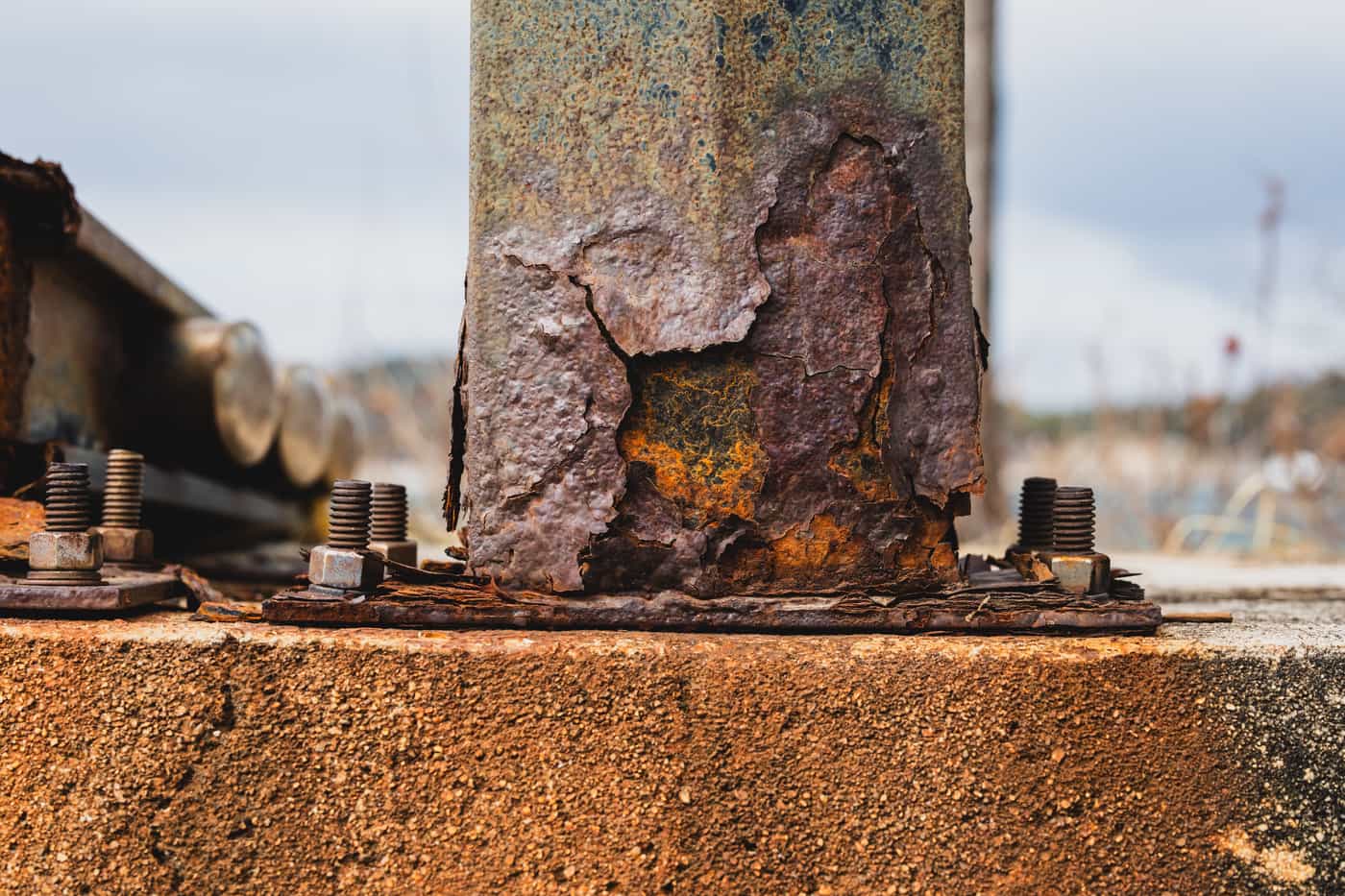
- Fasteners at the base plate. Where the post meets the ground is wet more often and for longer than anywhere else on the structure. Plated steel bolts in that position corrode; stainless does not. It is the cheapest upgrade available and almost nobody makes it.
- Powder coat on the sunward face. Aluminum frames do not rust, but their coating chalks — and it chalks first and worst on the face that takes the most sun. Sojag's fifteen-year finish warranty exists because the manufacturer knows this is the clock that runs.
- Cedar checking at the through-bolt. Wood moves; a bolt does not. Splits start at the fixing and open with each wet-dry cycle. It is why cedar kits need re-sealing and why a checked beam is replaceable in a way a corroded extrusion is not.
- Corner tension on fabric. Shade sails and canopy covers fail at the D-ring or the seam next to it, because that is where the entire load of the panel is concentrated. Fabric that has lost tension flaps, and flapping destroys the fixing.
- Polycarbonate creep under repeated load. Panels that carry snow deflect, recover, and over several winters recover slightly less each time. It is slow, it is not covered by most warranties, and it is the reason steel roofs outlast polycarbonate ones in snow country.
Guides in this category

Guide
Wind ratings explained
What a published wind rating actually measures, why pergolas rate higher than gazebos, and every figure we can source in one chart.

Guide
Snow load explained
How to convert, compare and act on published snow figures — and why manufacturers tell you to clear the roof anyway.
Guide
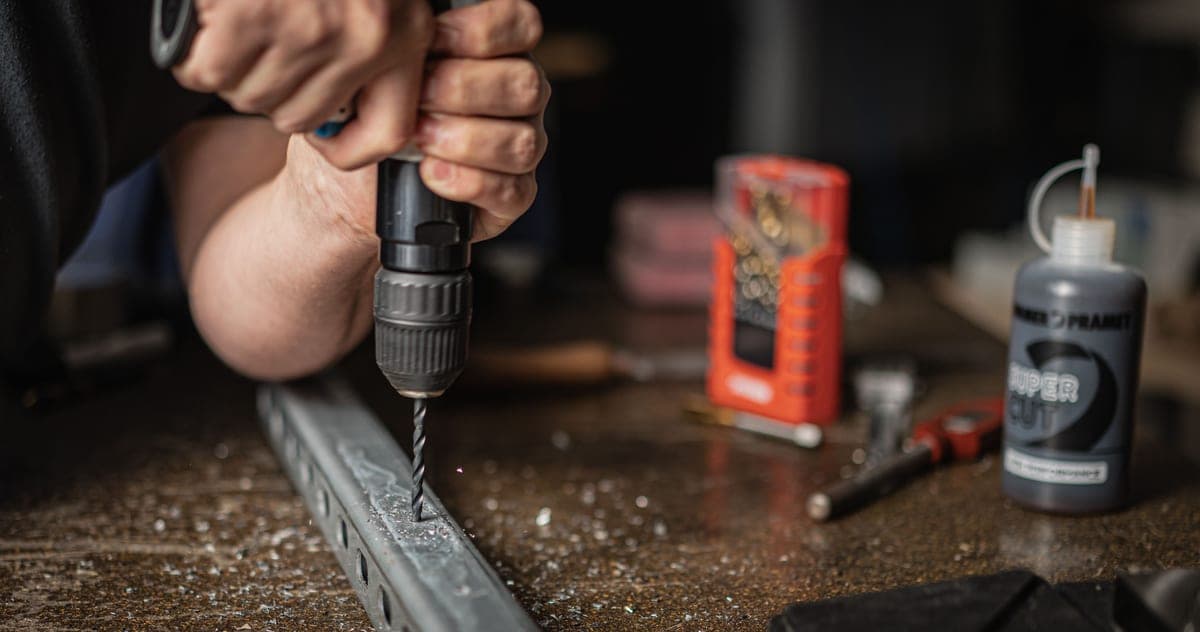
How to anchor a pergola
The correct anchor for concrete, pavers, wood decks, composite decks and grass — and what the no-drill options actually hold.
Guide
How to anchor a gazebo
Surface-by-surface anchoring for hardtop gazebos, including composite decks, plus why a solid roof loads the fixings so much harder.
Guide
How long shade structures last
Service life by material, the specific failure mode for each, and the maintenance that genuinely extends it.
Guide
Materials and warranties
Every published warranty term compared, what each one excludes, and why the anchoring clause matters more than the length.
Questions people ask
Can a pergola withstand a hurricane?
Should a pergola be anchored?
How do I stop a gazebo blowing away?
What snow load do I need?
Which lasts longer, aluminum or cedar?
Where these figures came from
- PURPLE LEAF louvered pergola collection — wind rating stated with its anchoring condition
- Backyard Discovery Beaumont — 100 mph rating and mandatory anchoring statement
- Yardistry Meridian 12x14 — anchoring hardware not supplied, and why
- Sojag hardtop gazebo collection — 15-year powder-coat finish warranty