The best shade cloth for greenhouses
A greenhouse concentrates two problems a garden does not have: light that has already been through glass, and heat with nowhere to go. The cloth you want is denser than a garden's, and it belongs on the outside.
By Ryder M. · Published · Last updated
We compare published manufacturer specifications, warranty terms and owner-reported failure modes. We have not physically tested these structures. How we judge shade structures
Slat & Shade earns a commission on qualifying purchases made through links on this page. It costs you nothing extra and never changes what we recommend. Full disclosure
Part of Shade Sails
The short answer
The Coolaroo Screening Shade Fabric at 70% UV block, for most greenhouses: knitted HDPE, breathable, and published in every roll size from 6 x 15 ft up. Fit it on the outside of the glazing, not inside — cloth hung indoors stops the light after the heat is already in the house.
Our picks at a glance
| # | Structure | Best for | Fabric | Price |
|---|---|---|---|---|
| 01 | 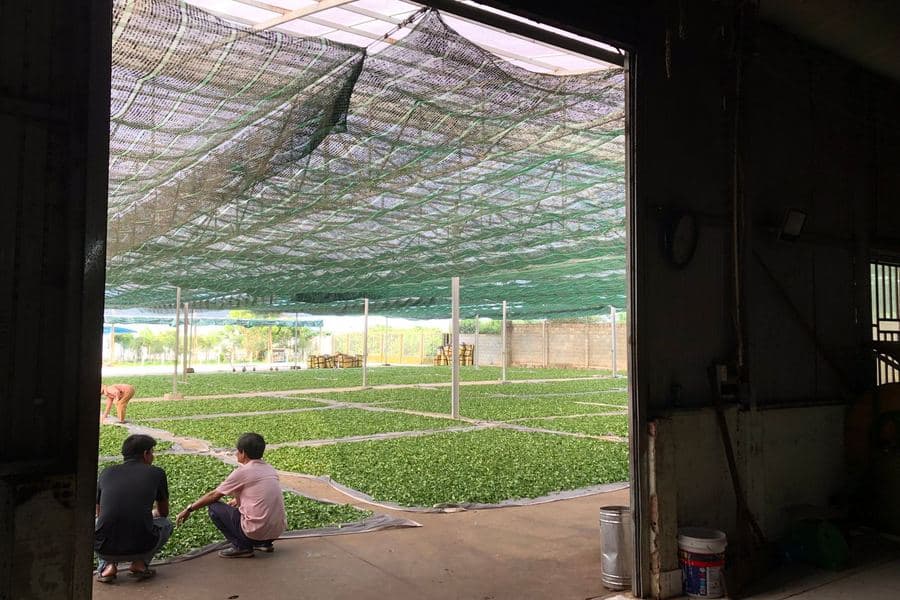 Coolaroo Screening Shade Fabric, 70% UV BlockThe density that matches what most greenhouse guidance actually asks for, from the one brand in this category publishing its fabric construction. | Top pick | Knitted HDPE, up to 70% UV block, breathable | Check price on Amazon |
| 02 | 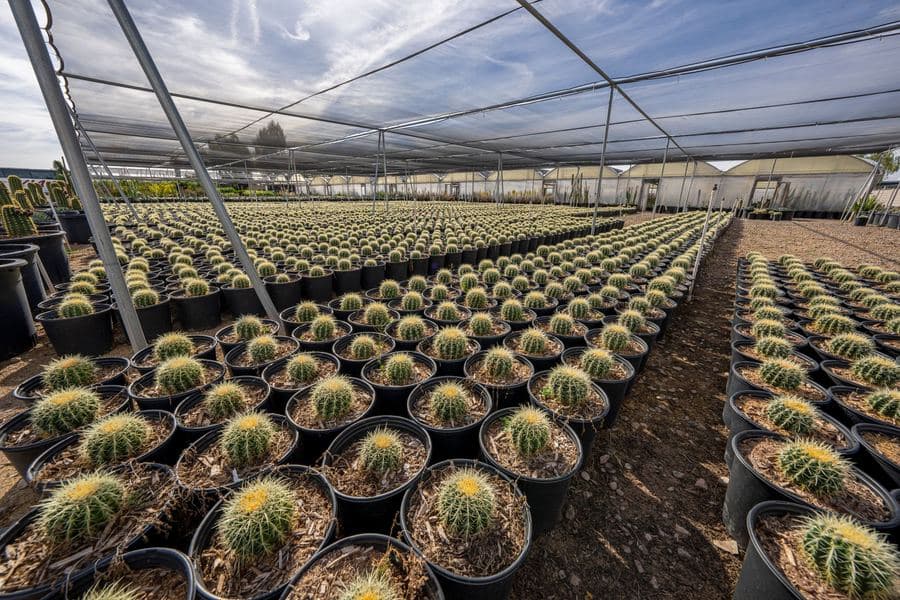 Coolaroo Garden Cover Shade Fabric, 50% UV BlockA fifteen-year fabric warranty against UV degradation on knitted HDPE — the longest published term on any shade fabric we track, at the density most vegetables want. | Best for a cool-climate greenhouse | Knitted HDPE, up to 50% UV block, breathable to air and water | Check price on Amazon |
| 03 | 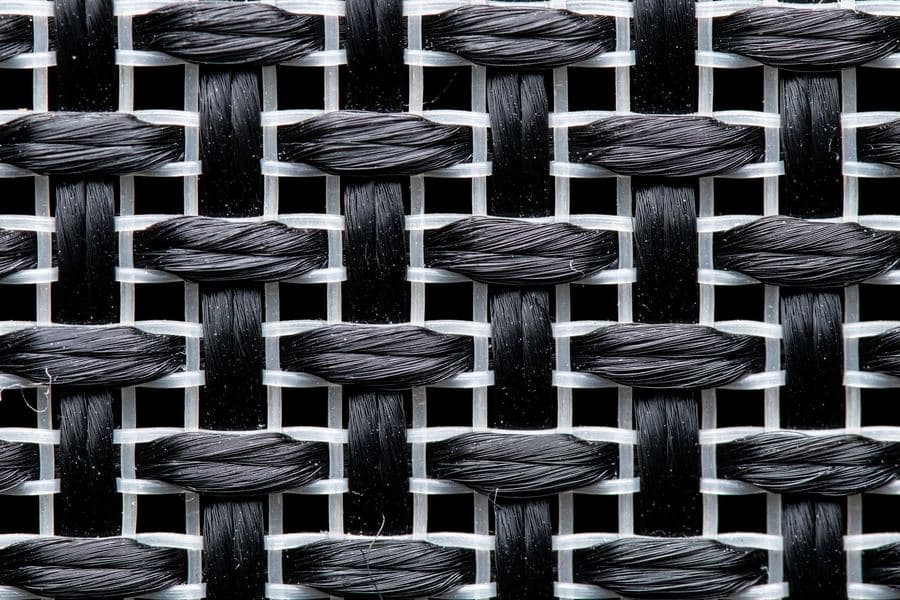 Coolaroo Sun Protection Shade Fabric, 90% UV BlockThe densest fabric Coolaroo publishes, on the same fifteen-year UV warranty — the one to buy when the thing you are shading is people rather than plants. | Best for propagation and extreme heat | Knitted HDPE, up to 90% UV block, air flows through the knit | Check price on Amazon |
| 04 | 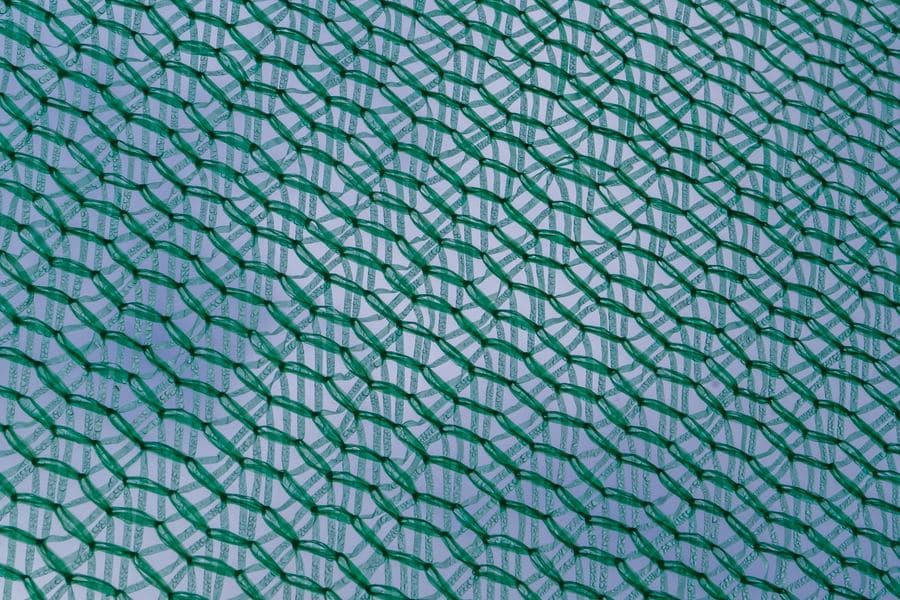 Windscreen4less Shade Fabric Cloth, 180 GSMThe only shade cloth here that publishes a GSM figure, and the only one sold cut to your dimensions — with a cut edge, which is the trade you are making. | Best for a non-standard structure | 180 GSM knitted polyethylene, 75% block rate, up to 95% UV stabilized | Check price on Amazon |
| 05 | 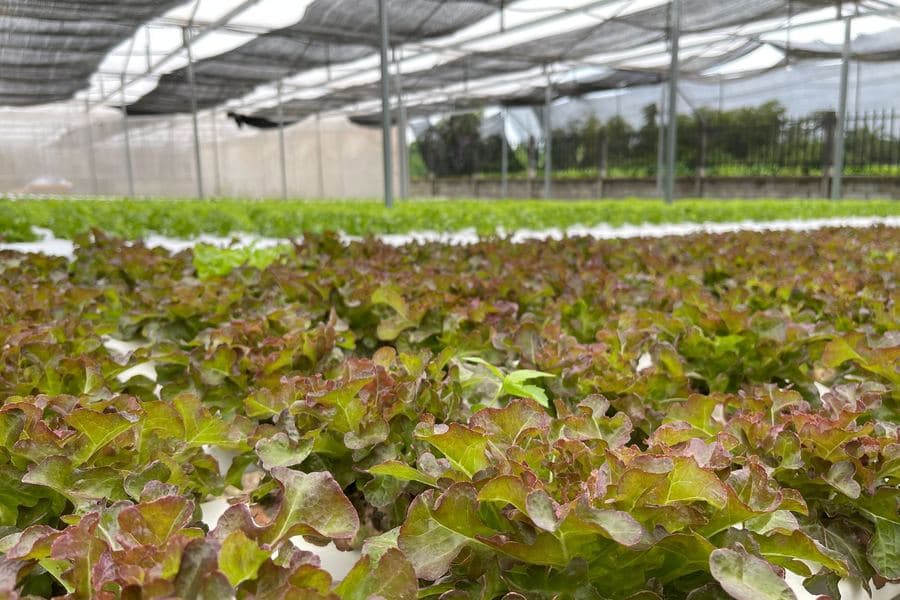 Coolaroo Garden Cover Shade Fabric, 30% UV BlockThe lightest density Coolaroo publishes, and the one to buy if your problem is scorch on a few hot afternoons rather than sun all season. | For cold frames and hardening off | Knitted HDPE, 30% UV block | Check price on Amazon |
The durability table
Every published figure we could source for these structures, in one place, with the manufacturer page each number came from. Where a cell reads "Not published by manufacturer", that figure does not exist in the manufacturer's own material — we do not estimate it and we do not copy one from another site.
| Model | Wind rating (mph) | Snow load | Frame | Roof | Anchoring required | Warranty | Spec source |
|---|---|---|---|---|---|---|---|
| Coolaroo Screening Shade Fabric, 70% UV BlockTop pick | Not published by manufacturer | Not published by manufacturer | No frame — knitted HDPE shade fabric | Knitted HDPE, up to 70% UV block, breathable | Not published by manufacturer | Not published by manufacturer | Coolaroo Screening Shade Fabric collectionChecked 2026-09-29 |
| Coolaroo Garden Cover Shade Fabric, 50% UV Block | Not published by manufacturer | Not published by manufacturer | No frame — HDPE fabric in a knitted mono/mono construction | Knitted HDPE, up to 50% UV block, breathable to air and water | Not published by manufacturer | 15-year fabric warranty against cracks, splits and tears due to UV degradation | Coolaroo Garden Cover 50% UV Block product pageChecked 2026-09-29 |
| Coolaroo Sun Protection Shade Fabric, 90% UV Block | Not published by manufacturer | Not published by manufacturer | No frame — HDPE fabric in a knitted tape/mono construction | Knitted HDPE, up to 90% UV block, air flows through the knit | Not published by manufacturer | 15-year fabric warranty against cracks, splits and tears due to UV degradation | Coolaroo Sun Protection Fabric 90% UV Block product pageChecked 2026-09-29 |
| Windscreen4less Shade Fabric Cloth, 180 GSM | Not published by manufacturer | Not published by manufacturer | No frame — 100% UV stabilized polyethylene in a lock-stitch knitted construction | 180 GSM knitted polyethylene, 75% block rate, up to 95% UV stabilized | Cut edge, no edge taping — grommets, tape and fixings are a separate purchase | 3-year limited warranty | Windscreen4less shade fabric cloth product pageChecked 2026-09-29 |
| Coolaroo Garden Cover Shade Fabric, 30% UV Block | Not published by manufacturer | Not published by manufacturer | No frame — knitted HDPE shade fabric | Knitted HDPE, 30% UV block | Not published by manufacturer | Not published by manufacturer | Coolaroo Garden Cover collectionChecked 2026-09-29 |
Every pick in full
Top pick
Coolaroo Screening Shade Fabric, 70% UV Block
The density that matches what most greenhouse guidance actually asks for, from the one brand in this category publishing its fabric construction.
- Wind rating
- Not published by manufacturer
- Snow load
- Not published by manufacturer
- Frame
- No frame — knitted HDPE shade fabric
- Roof
- Knitted HDPE, up to 70% UV block, breathable
- Anchoring
- Not published by manufacturer
- Warranty
- Not published by manufacturer
- Sizes
- 6 x 15 ft, 6 x 50 ft, 6 x 100 ft and 12 x 50 ft
70% is the density most greenhouse guidance converges on, and for a reason worth understanding: the light inside a greenhouse has already lost some intensity to the glazing, but the heat has been concentrated by it. You are not shading a bed; you are trying to break a greenhouse effect.
Knitted HDPE, up to 70% UV block, breathable. The breathability is the part that matters most in a greenhouse context. A solid or waterproof cover over glass creates a sealed air gap that traps heat between the cover and the glazing — a knitted mesh lets that layer vent, which is the mechanism by which external shading actually cools a house.
It is also the Coolaroo line published in every useful roll size — 6 x 15 ft, 6 x 50 ft, 6 x 100 ft and 12 x 50 ft. A 12 ft width will go over the ridge of most domestic greenhouses in one piece, which means no seam along the top and nothing for wind to lift.
Colours run to seven options, which sounds cosmetic and is not: on a greenhouse, a lighter colour reflects more of what it blocks rather than absorbing it and re-radiating downward. Black cloth blocks the same percentage and gets hotter doing it.
No warranty term is published on the screening line, unlike the 50% Garden Cover and 90% Sun Protection, both of which carry fifteen years. Coolaroo positions this line as privacy screening, which is likely why — but not published is not published.
Skip it if: You are running a propagation house or shading a very hot glasshouse in high summer. Go to the 90% below.
#ad Price shown as of September 26, 2026. How this site is funded
Specifications from Coolaroo Screening Shade Fabric collection, checked 2026-09-29.
Best for a cool-climate greenhouse
Coolaroo Garden Cover Shade Fabric, 50% UV Block
A fifteen-year fabric warranty against UV degradation on knitted HDPE — the longest published term on any shade fabric we track, at the density most vegetables want.
- Wind rating
- Not published by manufacturer
- Snow load
- Not published by manufacturer
- Frame
- No frame — HDPE fabric in a knitted mono/mono construction
- Roof
- Knitted HDPE, up to 50% UV block, breathable to air and water
- Anchoring
- Not published by manufacturer
- Warranty
- 15-year fabric warranty against cracks, splits and tears due to UV degradation
- Sizes
- 6 x 15 ft, 6 x 100 ft and 12 x 50 ft
50% is the density for a greenhouse in a climate where the season is short and the concern is a handful of extreme weeks rather than a whole summer of overheating. In those houses, 70% costs you growing days at both ends.
Knitted HDPE in a mono/mono construction, up to 50% UV block, breathable to air and water. Monofilament in both directions is the more dimensionally stable weave, and on a greenhouse — where the cloth is stretched over a curved or pitched roof and pulled at the edges — stability is worth more than on a flat bed.
Fifteen years of fabric warranty against cracks, splits and tears due to UV degradation. The longest published term on any shade fabric we track. On a greenhouse cloth, which sits in full unfiltered sun on the outside of the glass for months, that is coverage of the exact failure mode.
Sizes 6 x 15 ft, 6 x 100 ft and 12 x 50 ft. The 12 ft width goes over the ridge of a typical domestic house; the 100 ft roll is enough for a run of cold frames as well.
Be honest about your climate before choosing it. In a hot summer a 50% cloth over glass will not be enough, and you will be back buying the 70%.
Skip it if: Your greenhouse regularly exceeds comfortable working temperature in summer. 50% will not fix it.
#ad Price shown as of September 26, 2026. How this site is funded
Specifications from Coolaroo Garden Cover 50% UV Block product page, checked 2026-09-29.
Best for propagation and extreme heat
Coolaroo Sun Protection Shade Fabric, 90% UV Block
The densest fabric Coolaroo publishes, on the same fifteen-year UV warranty — the one to buy when the thing you are shading is people rather than plants.
- Wind rating
- Not published by manufacturer
- Snow load
- Not published by manufacturer
- Frame
- No frame — HDPE fabric in a knitted tape/mono construction
- Roof
- Knitted HDPE, up to 90% UV block, air flows through the knit
- Anchoring
- Not published by manufacturer
- Warranty
- 15-year fabric warranty against cracks, splits and tears due to UV degradation
- Sizes
- 6 x 15 ft, 6 x 50 ft, 6 x 100 ft and 12 x 50 ft
90% is the density for propagation houses, for shading cuttings and seedlings under glass, and for glasshouses in genuinely hot climates where the summer problem is survival rather than comfort.
Knitted HDPE in a tape/mono construction, up to 90% UV block, with air flowing through the knit. The tape/mono weave is how it reaches that density without becoming a solid sheet — tape in one direction for coverage, monofilament in the other for stability and airflow. A 90% solid cover would trap a superheated layer against the glass; a 90% knit vents it.
It carries the same fifteen-year fabric warranty against cracks, splits and tears due to UV degradation as the 50% Garden Cover, which makes it the best-warranted dense shade fabric available for this job.
Sizes 6 x 15 ft, 6 x 50 ft, 6 x 100 ft and 12 x 50 ft.
The failure mode is using it as a default. 90% over a greenhouse growing tomatoes will produce plants and very little fruit. It is a specialist density for a specialist job, and it is the right answer only if propagation or survival is genuinely what the house is doing in summer.
Skip it if: Your greenhouse is growing anything that fruits. 90% is too dense for production and you will notice it in the harvest.
#ad Price shown as of September 26, 2026. How this site is funded
Specifications from Coolaroo Sun Protection Fabric 90% UV Block product page, checked 2026-09-29.
Best for a non-standard structure
Windscreen4less Shade Fabric Cloth, 180 GSM
The only shade cloth here that publishes a GSM figure, and the only one sold cut to your dimensions — with a cut edge, which is the trade you are making.
- Wind rating
- Not published by manufacturer
- Snow load
- Not published by manufacturer
- Frame
- No frame — 100% UV stabilized polyethylene in a lock-stitch knitted construction
- Roof
- 180 GSM knitted polyethylene, 75% block rate, up to 95% UV stabilized
- Anchoring
- Cut edge, no edge taping — grommets, tape and fixings are a separate purchase
- Warranty
- 3-year limited warranty
- Sizes
- Custom cut, 6-24 ft wide by 1-300 ft long
Greenhouses come in shapes that rolls do not: lean-tos, polytunnels with curved hoops, Victorian houses with a finial in the way. Custom cutting from 6 to 24 ft wide by 1 to 300 ft long is the practical answer to all of those.
It is the only fabric here publishing a GSM figure: 180 GSM knitted polyethylene, 75% block rate, up to 95% UV stabilized. 75% sits neatly between the 70% and 90% options above, and the GSM tells you something the percentages do not — 180 GSM is a relatively light fabric for that density, which means it will follow a curved hoop structure rather than fighting it.
A 3-year limited warranty, against Coolaroo's fifteen. That is the real cost of the custom sizing and it should be weighed honestly: on a greenhouse cloth living in full sun, twelve years of difference in UV coverage is not a rounding error.
Cut edge, no edge taping. You are finishing the edges and adding your own grommets or webbing. On a greenhouse this is more work than on a flat bed, because the fixing points are usually at the eaves where the load is highest.
The 24 ft maximum width is the useful number — wide enough to go over a full-span house and down both sides in one piece, which is the arrangement that survives wind best.
Skip it if: You want it up this weekend. A cut-edge roll needs edges finished and fixings added before it goes anywhere near a roof.
#ad Price shown as of September 26, 2026. How this site is funded
Specifications from Windscreen4less shade fabric cloth product page, checked 2026-09-29.
For cold frames and hardening off
Coolaroo Garden Cover Shade Fabric, 30% UV Block
The lightest density Coolaroo publishes, and the one to buy if your problem is scorch on a few hot afternoons rather than sun all season.
- Wind rating
- Not published by manufacturer
- Snow load
- Not published by manufacturer
- Frame
- No frame — knitted HDPE shade fabric
- Roof
- Knitted HDPE, 30% UV block
- Anchoring
- Not published by manufacturer
- Warranty
- Not published by manufacturer
- Sizes
- 6 x 15 ft
Included because the greenhouse question usually comes with a cold frame question attached, and a cold frame is a different problem: it is small, it heats fast, and its job in spring is hardening off rather than growing.
30% UV block on the same knitted HDPE. Enough to stop a frame cooking on a bright March afternoon, not so much that seedlings going out into the garden get soft. That is a narrower job than it sounds and 50% is genuinely too much for it.
Published only in 6 x 15 ft, which for a cold frame or a run of frames is exactly the right quantity and for a greenhouse is not.
No warranty term is published at this density, unlike the 50% and 90% Coolaroo lines.
Do not put it on a greenhouse roof and expect anything. At 30% over glass in July you will not be able to tell it is there, and that is the correct expectation rather than a defect.
Skip it if: The structure you are shading is a greenhouse rather than a frame. This is not enough density to matter over glass.
#ad Price shown as of September 26, 2026. How this site is funded
Specifications from Coolaroo Garden Cover collection, checked 2026-09-29.
Outside the glass, not inside it
The most consequential thing on this page, and the thing most people get wrong on the first attempt.
Shade cloth fitted inside a greenhouse does very little for temperature. Sunlight passes through the glazing, converts to heat energy inside the house, and then meets your cloth. The cloth blocks the light from reaching the plants, which is a real effect — but the heat is already in the building, and the cloth is now a warm surface radiating it downward.
Fitted outside, the same cloth blocks the light before it reaches the glass, so the energy never enters the house at all. The effect on internal temperature is dramatically larger, and it is why every serious greenhouse shading system is external.
The secondary reason is airflow. A knitted cloth over the outside of the glazing has air moving on both sides of it — which is why every product on this page is breathable and why solid covers are cut. A solid sheet outside the glass creates a sealed hot layer against the glazing, and you have built an oven with an extra wall.
On a polytunnel the same rule applies and matters more, because polythene is a worse insulator than glass and the house heats faster.
Choosing the density for your house
Greenhouse shading is denser than garden shading, and the reason is the glazing rather than the plants.
| Density | Use | Product |
|---|---|---|
| 30% | Cold frames and hardening off. Too light to make a difference over glass. | Coolaroo Garden Cover 30% |
| 50% | Cool-climate greenhouses where the problem is a few extreme weeks rather than the whole summer. | Coolaroo Garden Cover 50% |
| 70% | The general-purpose greenhouse density. Most domestic houses growing food through a normal summer. | Coolaroo Screening 70% |
| 75% | Same territory as 70%, cut to fit a non-standard structure. 180 GSM, so it follows curved hoops well. | Windscreen4less 180 GSM |
| 90% | Propagation houses, cuttings, and hot-climate glasshouses where survival rather than yield is the summer job. | Coolaroo Sun Protection 90% |
If you buy one cloth for a domestic greenhouse, buy 70%. It is the density that handles a normal summer in a normal house, and the Coolaroo screening line is published in every roll size you might want.
And note the one gap we cannot close for you: Coolaroo publishes its fifteen-year fabric warranty on the 50% and 90% lines and not on the 70% screening line. If warranty length matters more to you than hitting the exact density, the 50% is the better-covered fabric.
Fitting it so it survives the season
A greenhouse is a worse place to hang fabric than a garden. It is taller, the edges are at eave height where wind load is highest, and there is glass underneath.
- 01Go over the ridge in one piece if you can. A 12 ft width covers most domestic houses ridge-to-eave on both sides; the Windscreen4less goes to 24 ft. A single piece has no seam for wind to get under, which is the failure point on almost every greenhouse shading job.
- 02Fix at the eaves and at ground level, not just at the top. The load on a greenhouse cloth is mostly lift, and a cloth tied only along the ridge balloons. Lines down both sides to ground anchors or to the frame is the arrangement that holds.
- 03Leave an air gap at the ridge. Not flush to the glass. An inch or two of standoff at the top lets the hot layer between cloth and glazing vent upward, which is a meaningful part of the cooling effect.
- 04Keep it clear of the vents. Automatic roof vents open into the cloth if you have covered them, which quietly disables the greenhouse's own cooling. Cut around them or stop the cloth short.
- 05Take it off in autumn and store it dry. UV is what ends this fabric, and a greenhouse cloth gets full unfiltered sun on the outside of the glass all summer. Rinse the pollen off with a hose, let it dry, and store it out of sunlight — never machine wash, bleach or tumble dry.
What we would actually do
On a typical domestic greenhouse growing food: the Coolaroo Screening Shade Fabric at 70%, in the 12 ft width, over the ridge in one piece with an inch of standoff at the top and lines to ground anchors on both sides.
In a short-season or cool climate: the Coolaroo Garden Cover at 50%, which is also the better-warranted fabric at fifteen years against UV degradation. Two arguments pointing the same way, if your summers are mild.
For a propagation house or a genuinely hot glasshouse: the 90% Sun Protection, on the same fifteen-year term, accepting that it is a specialist density and nothing will fruit well under it.
And for a polytunnel, a lean-to or anything shaped oddly: the Windscreen4less 180 GSM cut to size, with the edges finished and grommets added before it goes up. Three years rather than fifteen is the cost of a cloth that actually fits the structure.
What we cut, and why
Every model below was a genuine candidate and did not make the list. The reason is stated in each case, because a shortlist with no visible rejections is not evidence of a selection process.
- Interior blinds and internal shade cloth
- Shading fitted inside the glazing stops light that has already entered the house, and by then the heat is in. External shading is not a preference — it is the mechanism. An internal blind is a light control, and if cooling is what you are after it is the wrong product in the wrong place.
- Shade paint and greenhouse whitewash
- It works and it is cheap, and it is a single density you cannot adjust, applied in spring and scrubbed off in autumn, which washes into the soil below. For a commercial glasshouse the arithmetic favours it. For a domestic greenhouse where the cloth comes off in a minute, it does not.
- Solid and waterproof covers
- Over glazing, a solid cover creates a sealed air gap that traps a superheated layer between the cover and the glass. A knitted mesh vents it. This is the single most important thing about greenhouse shading and it rules out an entire class of otherwise good fabric.
- Shade cloth with no published density
- For a greenhouse the density is not a preference, it is a growing decision — 50%, 70% and 90% produce measurably different outcomes in the same house. A listing that will not state its percentage cannot be matched to what you are growing.
Questions people ask
What percentage shade cloth is best for a greenhouse?
Should greenhouse shade cloth go inside or outside?
What is the best shade cloth for a greenhouse?
Can you use garden shade cloth on a greenhouse?
Will shade cloth stop a greenhouse overheating?
Is shade paint or shade cloth better for a greenhouse?
How do you attach shade cloth to a greenhouse?
How long does greenhouse shade cloth last?
Where these figures came from
- Coolaroo Screening Shade Fabric collection — 70% UV block, sizes 6 x 15 ft to 12 x 50 ft, colour range
- Coolaroo Garden Cover Shade Fabric, 50% UV Block — knitted mono/mono HDPE, 15-year fabric warranty against UV degradation, sizes and care instructions
- Coolaroo Sun Protection Fabric, 90% UV Block — knitted tape/mono HDPE, 15-year fabric warranty, airflow claim, sizes
- Coolaroo Garden Cover collection — 30% and 50% UV block densities and sizes
- Windscreen4less shade fabric cloth — 180 GSM knitted polyethylene, 75% block rate, up to 95% UV stabilized, cut edge, 3-year limited warranty, 6-24 ft custom widths
Found an error? Tell us and we will correct it within seven days and note the change on the page with a dated line — see our editorial policy.