Canopy fabric materials
Fabric is the consumable in every product in this category, and the fiber decides how long it lasts. It is also the specification listings are most likely to omit.
By Ryder M. · Published · Last updated
We compare published manufacturer specifications, warranty terms and owner-reported failure modes. We have not physically tested these structures. How we judge shade structures
Slat & Shade earns a commission on qualifying purchases made through links on this page. It costs you nothing extra and never changes what we recommend. Full disclosure
Part of Canopies & Patio Covers
The short answer
Solution-dyed acrylic lasts longest because the pigment is in the fiber rather than on the surface. Coated polyester is the norm and fails twice — it fades, then the coating cracks and it stops being water resistant. PE tarp is genuinely waterproof and the least attractive; HDPE mesh is breathable and the best in wind.
Our picks at a glance
| # | Structure | Best for | Wind rating | Price |
|---|---|---|---|---|
| 01 |  Diensweek Motorized Acrylic Retractable AwningSolution-dyed acrylic instead of coated polyester — the upgrade that decides whether the fabric still has its color in year six. | Best fabric available | Beaufort 5 (roughly 19-24 mph) — retract above it | Check price on Amazon |
| 02 | 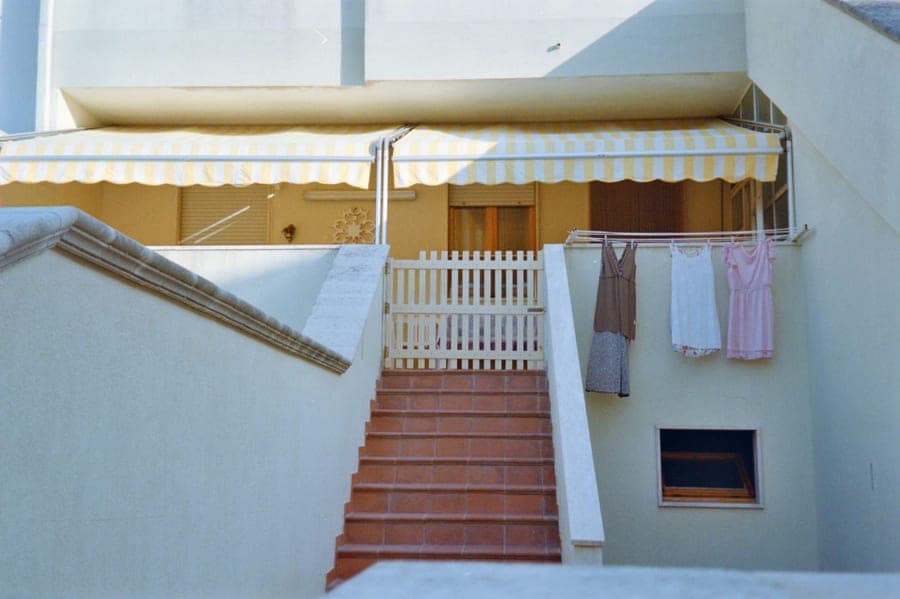 Diensweek P100 Manual Retractable AwningRetracts, which is the only wind strategy a fabric awning has. The published rating is a Beaufort number, not a mile-per-hour figure. | The coated-polyester benchmark | Beaufort 5 (roughly 19-24 mph) — retract above it | Check price on Amazon |
| 03 | 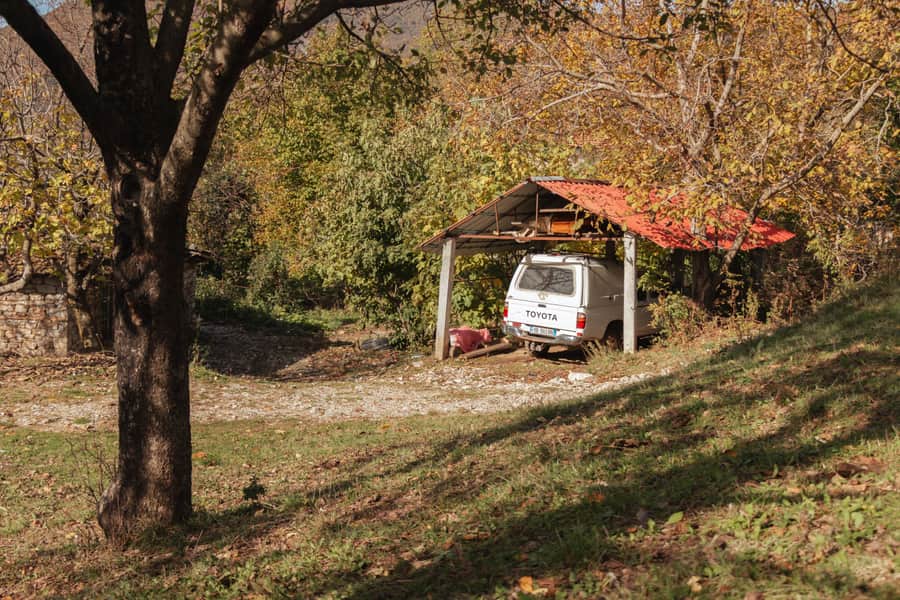 Quictent Heavy Duty 10 x 20 Carport CanopyThe only canopy on this site that publishes both a per-square-foot snow load and a tested wind speed — 9 lb/ft² and 55 mph. | Genuinely waterproof | 55 (tested) | Check price on Amazon |
| 04 | 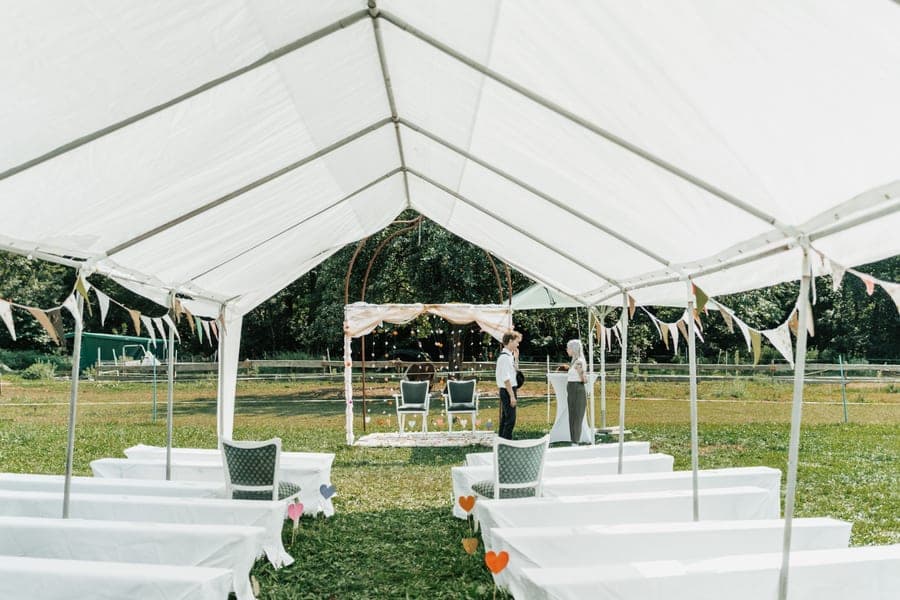 Eurmax Pro 10 x 10 Aluminum Pop-Up CanopyAn aluminum-framed commercial pop-up with a fire-certified 500-denier top — a shade structure you put away, not one you leave standing. | Best commercial pop-up fabric | Not published by manufacturer | Check price on Amazon |
| 05 |  ColourTree Rectangle Sun Shade Sail, 190 GSMThe clearest published fabric spec in the category — 190 GSM virgin HDPE, 95% UV block, three-year warranty — with the hardware sold separately. | Best breathable fabric | Not published by manufacturer | Check price on Amazon |
The durability table
Every published figure we could source for these structures, in one place, with the manufacturer page each number came from. Where a cell reads "Not published by manufacturer", that figure does not exist in the manufacturer's own material — we do not estimate it and we do not copy one from another site.
| Model | Wind rating (mph) | Snow load | Frame | Roof | Anchoring required | Warranty | Spec source |
|---|---|---|---|---|---|---|---|
| Diensweek Motorized Acrylic Retractable AwningTop pick | Beaufort 5 (roughly 19-24 mph) — retract above it | Not published by manufacturer | Corrosion-resistant aluminum | 100% acrylic, fade-resistant, 80 UV+ | Not published by manufacturer | 1 year | Diensweek official siteChecked 2026-09-26 |
| Diensweek P100 Manual Retractable Awning | Beaufort 5 (roughly 19-24 mph) — retract above it | Not published by manufacturer | T5-grade aluminum with PVC-coated stainless steel arm cables and galvanized steel roller tube | 280 g/m² polyester with PU coating, water resistant, 50 UV+ | Not published by manufacturer | 1 year | Diensweek official siteChecked 2026-09-26 |
| Quictent Heavy Duty 10 x 20 Carport Canopy | 55 (tested) | 9 lb/ft² | 1.46 in. (38 mm) heavy-duty galvanized steel tubing with 12 cross steel cables | 16 mil / 180 g PE tarp, 100% UV block, triple-stitched seams | Ground nails and bungee cords supplied | 1 year on poles and tarp; lifetime on joints, ground nails and bungee cords | Quictent 10x20 carport product pageChecked 2026-09-26 |
| Eurmax Pro 10 x 10 Aluminum Pop-Up Canopy | Not published by manufacturer | Not published by manufacturer | Aluminum | 500D polyester with PU coating, seam-sealed, CPAI-84 fire retardant certified | Not published by manufacturer | Not published by manufacturer | Eurmax Pro 10x10 product pageChecked 2026-09-26 |
| ColourTree Rectangle Sun Shade Sail, 190 GSM | Not published by manufacturer | Not published by manufacturer | No frame — 100% virgin (non-recycled) HDPE fabric, reinforced stitched seams | 190 GSM HDPE mesh, 95% UV block, breathable | Stainless steel D-ring at each corner; cable rope and hardware kits sold separately | 3 years under normal weather and usage | ColourTree rectangle shade sail product pageChecked 2026-09-26 |
Every pick in full
Best fabric available
Diensweek Motorized Acrylic Retractable Awning
Solution-dyed acrylic instead of coated polyester — the upgrade that decides whether the fabric still has its color in year six.
- Wind rating
- Beaufort 5 (roughly 19-24 mph) — retract above it
- Snow load
- Not published by manufacturer
- Frame
- Corrosion-resistant aluminum
- Roof
- 100% acrylic, fade-resistant, 80 UV+
- Anchoring
- Not published by manufacturer
- Warranty
- 1 year
- Sizes
- Up to 15 x 10 ft
100% acrylic, fade-resistant, 80 UV+ — and on a page about fabric this is the specification that matters most in the whole category.
Solution-dyed acrylic has the pigment added to the liquid polymer before the fiber is extruded, so the color is throughout the material rather than applied to its surface. It fades slowly and evenly, and there is no coating to fail.
Compare that to what it replaces. Diensweek's manual line uses 280 g/m² PU-coated polyester at 50 UV+; this is acrylic at 80 UV+. Same manufacturer, better fabric on the more expensive line, and a different UV rating on each — which is the clearest signal available about where the upgrade sits.
On a south or west-facing wall this is the difference between an awning you still like in year six and one you replace. That is not a marginal claim: coated polyester fades visibly, and fading is what makes people replace awnings that are otherwise sound.
Corrosion-resistant aluminum frame, up to 15 x 10 ft, Beaufort 5 retract threshold, one-year warranty.
Skip it if: You would rather not own a motor — Diensweek bundles the acrylic fabric with motorization.
#ad Price shown as of September 26, 2026. How this site is funded
Specifications from Diensweek official site, checked 2026-09-26.
The coated-polyester benchmark
Diensweek P100 Manual Retractable Awning
Retracts, which is the only wind strategy a fabric awning has. The published rating is a Beaufort number, not a mile-per-hour figure.
- Wind rating
- Beaufort 5 (roughly 19-24 mph) — retract above it
- Snow load
- Not published by manufacturer
- Frame
- T5-grade aluminum with PVC-coated stainless steel arm cables and galvanized steel roller tube
- Roof
- 280 g/m² polyester with PU coating, water resistant, 50 UV+
- Anchoring
- Not published by manufacturer
- Warranty
- 1 year
- Sizes
- 8 x 7 ft to 15 x 10 ft
The reference point for the most common awning fabric, and it is published clearly enough to be useful.
280 g/m² polyester with a PU coating, water resistant, 50 UV+. The polyester is the structure and the PU coating carries both the color and the water resistance — which is the key thing to understand about the material.
It has two linked failure modes. It fades, because the pigment is on the surface. And when the coating degrades it stops being water resistant — so on coated polyester the appearance and the weather performance run on the same UV-driven clock, and they arrive together.
At 280 g/m² this is a decent weight — heavier fabric is more tear-resistant, and on a retractable awning it is also more load on the arms, which is part of why the arm cables are specified as PVC-coated stainless steel.
Where coated polyester is genuinely the right choice: a north-facing wall, or anywhere that sees little direct sun, where the UV clock runs slowly and the cost saving is real. Sizes 8 x 7 to 15 x 10 ft, one-year warranty.
Skip it if: The wall faces south or west and you intend to keep the awning a decade.
#ad Price shown as of September 26, 2026. How this site is funded
Specifications from Diensweek official site, checked 2026-09-26.
Genuinely waterproof
Quictent Heavy Duty 10 x 20 Carport Canopy
The only canopy on this site that publishes both a per-square-foot snow load and a tested wind speed — 9 lb/ft² and 55 mph.
- Wind rating
- 55 (tested)
- Snow load
- 9 lb/ft²
- Frame
- 1.46 in. (38 mm) heavy-duty galvanized steel tubing with 12 cross steel cables
- Roof
- 16 mil / 180 g PE tarp, 100% UV block, triple-stitched seams
- Anchoring
- Ground nails and bungee cords supplied
- Warranty
- 1 year on poles and tarp; lifetime on joints, ground nails and bungee cords
- Sizes
- 10 x 20 x 8.7 ft (H)
The waterproof end of the category, and a different material class from the awning fabrics above.
A 16 mil / 180 g PE tarp, 100% UV block, triple-stitched seams. Polyethylene tarp is not woven-and-coated — it is a laminated sheet, usually with a woven scrim inside for tear strength. That construction is why it is genuinely waterproof rather than water resistant.
The seam specification matters as much as the fabric. A sewn seam is a line of holes, and it is the one place a waterproof material is not waterproof — so triple stitching (or heat sealing) is what stops leaks and stops a tear propagating from a stress point.
16 mil is a thickness measure rather than a weight, which is the convention for tarps; 180 g is the areal weight. Both published, which is more than most tarp products manage.
What PE tarp is bad at is looking good. It is a utility material — it is stiff, it creases, and it reads as equipment cover. Nobody chooses it for a patio. And it is a consumable, warranted for one year against the frame joints' lifetime coverage.
Skip it if: The structure is a patio feature. PE tarp is a utility material and looks like one.
#ad Price shown as of September 26, 2026. How this site is funded
Specifications from Quictent 10x20 carport product page, checked 2026-09-26.
Best commercial pop-up fabric
Eurmax Pro 10 x 10 Aluminum Pop-Up Canopy
An aluminum-framed commercial pop-up with a fire-certified 500-denier top — a shade structure you put away, not one you leave standing.
- Wind rating
- Not published by manufacturer
- Snow load
- Not published by manufacturer
- Frame
- Aluminum
- Roof
- 500D polyester with PU coating, seam-sealed, CPAI-84 fire retardant certified
- Anchoring
- Not published by manufacturer
- Warranty
- Not published by manufacturer
- Sizes
- 10 x 10 ft, 11.1 ft peak height
The pop-up fabric specification, and it is genuinely commercial rather than consumer.
500D polyester with a PU coating, seam-sealed, CPAI-84 fire retardant certified.
Denier is a yarn-thickness measure — 500D is a heavy yarn for a canopy top, and it is a specification consumer pop-ups generally do not publish at all. Higher denier means better tear resistance, which on a product that gets folded, packed and unpacked repeatedly is the failure mode that matters.
Seam sealing rather than just stitching is what makes the top actually shed water, for the same reason as above: the stitching is the hole.
CPAI-84 is a fire retardancy standard for tent and canopy fabric, required for commercial and event use in many jurisdictions. On a backyard product it is not required and it is a reasonable proxy for a fabric made to a commercial specification.
It is still coated polyester, so it fades and the coating eventually degrades — but a pop-up spends most of its life in a bag rather than in the sun, which is why the UV clock matters far less here than on an awning.
Skip it if: You want a fabric that lives outdoors permanently. This is event fabric and it is best off UV exposure.
#ad Price shown as of September 26, 2026. How this site is funded
Specifications from Eurmax Pro 10x10 product page, checked 2026-09-26.
Best breathable fabric
ColourTree Rectangle Sun Shade Sail, 190 GSM
The clearest published fabric spec in the category — 190 GSM virgin HDPE, 95% UV block, three-year warranty — with the hardware sold separately.
- Wind rating
- Not published by manufacturer
- Snow load
- Not published by manufacturer
- Frame
- No frame — 100% virgin (non-recycled) HDPE fabric, reinforced stitched seams
- Roof
- 190 GSM HDPE mesh, 95% UV block, breathable
- Anchoring
- Stainless steel D-ring at each corner; cable rope and hardware kits sold separately
- Warranty
- 3 years under normal weather and usage
- Sizes
- 14 sizes, 8 x 10 ft to 16 x 20 ft
The breathable end of the spectrum, and included because it is the material that behaves best in wind.
190 GSM 100% virgin, non-recycled HDPE with 95% UV block, reinforced stitched seams, stainless D-rings, three-year warranty.
HDPE mesh is knitted or woven open, so air and water pass through it. That means it spills wind rather than loading it, and it cannot pool — two structural advantages no sealed fabric has. It also runs cooler underneath, because hot air rises through it rather than being trapped.
The virgin-versus-recycled distinction is a fabric specification worth having, and almost nobody else states it. Recycled HDPE has already been through a heat cycle and carries a less predictable additive package — including the UV stabilizers that determine degradation rate. Two 190 GSM sails, one virgin and one recycled, weigh the same and will not age the same.
What it does not do is keep rain off. Water goes straight through, which is the price of everything above.
Skip it if: You need rain cover. A mesh will not provide it at any weight.
#ad Price shown as of September 26, 2026. How this site is funded
Specifications from ColourTree rectangle shade sail product page, checked 2026-09-26.
Every fabric, and how each one fails
| Fabric | What it is | Waterproof? | Good at | How it fails |
|---|---|---|---|---|
| Solution-dyed acrylic | Pigment in the fiber before extrusion, woven | Water resistant | Holding color and performance for years | Slow, even fading. No coating to crack |
| PU-coated polyester | Woven polyester with a surface coating | Water resistant | Cost, and decent weight for the money | Twice: fades, then the coating cracks and it stops shedding water |
| PE tarp (laminated) | Laminated polyethylene sheet, often scrim-reinforced | Yes, genuinely | Waterproofing and UV block on utility structures | Creases and abrades; tears propagate from a stress point |
| HDPE mesh | Open knit or weave, breathable | No — water passes through | Wind and heat. Spills air, cannot pool, cooler underneath | Fiber degrades in UV; fabric stretches and goes slack |
| High-denier coated polyester (500D) | Heavy woven yarn, PU coated, seam sealed | Water resistant, seam sealed | Tear resistance on something packed and unpacked | Same as coated polyester, but usually stored out of the sun |
The specification that actually matters: where the color lives
If you learn one thing about canopy fabric, learn this distinction. It explains most of the price difference and almost all of the disappointment.
Solution-dyed means the pigment is added to the liquid polymer before the fiber is extruded. The color is the material. As the surface weathers, what is underneath is the same color, so fading is slow and even and there is nothing to flake or crack.
Surface-dyed or coated means the color is applied to already-made fabric. It is cheaper and it looks identical when new. As UV breaks down the surface, the color goes — and on a coated fabric the coating carrying that color is usually also what carries the water resistance.
That coupling is the real problem with coated polyester, and it is the thing listings never mention: the fabric does not just get uglier, it stops working. Faded and no longer shedding water arrive at the same time, because the same UV exposure causes both.
Diensweek's product split is the cleanest evidence: acrylic at 80 UV+ on the motorized line, 280 g/m² PU-coated polyester at 50 UV+ on the manual one. Same manufacturer, and a different UV rating for each fabric.
How much it matters depends entirely on orientation. A north-facing awning sees a fraction of the UV a south or west-facing one does, and coated polyester will serve for years there. On a wall that takes afternoon sun every day, acrylic is where the money should go.
Waterproof, water resistant, and breathable
Three genuinely different properties, and listings blur all three into "weather resistant".
Waterproof means water does not pass through the material — a laminated PE tarp. And the seams are the qualifier: a sewn seam is a line of holes, so triple stitching or heat sealing is what makes a waterproof fabric actually waterproof in use. Quictent publishes triple-stitched seams on its 16 mil tarp; Eurmax publishes seam sealing on its 500D top.
Water resistant means a coating sheds water off a fabric that would otherwise let it through — coated polyester and acrylic awnings. It handles vertical rain well. It stops working when the coating degrades, and on an awning it also sheds off the front edge rather than draining, so wind-driven rain comes in underneath regardless.
Breathable means water passes straight through by design — HDPE mesh. That sounds like a failure and it is the source of the material's two structural advantages: it cannot pool, and it spills wind instead of loading it. A pooling fabric is a tearing fabric, and a sealed panel catches every bit of wind a mesh would have passed.
So the ranking flips depending on the question. For rain: waterproof, then water resistant, then breathable. For wind and for surviving unattended: breathable, then water resistant, then waterproof. That inversion is why HDPE vs waterproof shade fabric exists as its own page.
Reading the numbers: GSM, mils, denier and UV
Four different measurement systems across one category, which makes comparison harder than it should be.
- GSM (grams per square meter) — areal weight, used for shade mesh and awning fabric. Diensweek's manual awning is 280 g/m²; shade sails run 180-260 GSM. Higher means more material, more tear strength and less stretch. Comparable between products using the same unit.
- Mils — thickness, used for tarps. Quictent's carport cover is 16 mil. Not comparable to GSM, because one measures thickness and the other weight per area — though Quictent helpfully publishes both (16 mil / 180 g).
- Denier (D) — yarn thickness, used for pop-up and event fabric. The Eurmax Pro is 500D. Higher denier means a heavier yarn and better tear resistance. Not comparable to GSM either, because a high-denier yarn in an open weave and a low-denier yarn in a tight weave can weigh the same.
- UV rating — published as a percentage block, a UPF figure, or a "UV+" number. Diensweek publishes 50 UV+ on polyester and 80 UV+ on acrylic; Quictent publishes 100% UV block; shade sails publish 90-95%. This is the figure that predicts fabric life, not just how much sun reaches you — and the scales are not interchangeable.
- The practical rule: compare within a unit, and treat cross-unit comparisons as impossible. A manufacturer publishing two units, as Quictent does, is being unusually helpful.
Making fabric last
- Keep it tensioned. Slack fabric flaps, and flapping is a shock load that tears seams and wears fixings. This applies to an awning's spring arms, a carport tarp and a shade sail equally — and on a sail it is the dominant failure mode. Shade sail sizing and tension covers the mechanism.
- Keep it out of the sun when you are not using it. On a retractable awning, retracting is a fabric-life strategy as well as a wind strategy. A pop-up stored in a bag ages barely at all.
- Do not let water pool. A sagging top collects water, the weight deepens the sag, and more water collects — which is how tarps and canopy tops tear. Check after the first heavy rain of the season.
- Clean it gently. Abrasive scrubbing removes coating, which on a coated fabric is what makes it water resistant and UV resistant. Mild soap and a soft brush.
- Store it dry. Folding damp fabric away for the winter is how you find mildew in spring, and mildew degrades coatings and fibers.
- And take fabric structures down before snow. No canopy, awning or sail publishes a snow load. Snow pools, wet snow is far heavier per inch than dry, and the load concentrates at the fixings.
Questions people ask
What is the best canopy fabric?
Is acrylic or polyester better for an awning?
What does solution-dyed mean?
What is the difference between waterproof and water resistant?
What does denier mean on a canopy?
Is a higher GSM canopy fabric better?
Why did my canopy stop being waterproof?
How do I make canopy fabric last longer?
Where these figures came from
- Diensweek — 100% acrylic 80 UV+ and 280 g/m² PU-coated polyester 50 UV+ fabric lines, frame and component specifications
- Quictent 10x20 carport — 16 mil / 180 g PE tarp, triple-stitched seams, 100% UV block, 1 year on tarp with lifetime joints
- Eurmax Pro 10x10 — 500D PU-coated polyester, seam-sealed, CPAI-84 fire retardant certified
- ColourTree rectangle shade sail — 190 GSM 100% virgin non-recycled HDPE, 95% UV block, reinforced stitched seams
- Windscreen4less shade sails — 180 GSM UV 90 and 260 GSM UV 95 lines, for the breathable-mesh weight range
Found an error? Tell us and we will correct it within seven days and note the change on the page with a dated line — see our editorial policy.