Gazebo foundation options
The foundation is decided weeks before the gazebo arrives, it costs more than the assembly, and it is the one part of the job no manufacturer will specify for you.
By Ryder M. · Published · Last updated
We compare published manufacturer specifications, warranty terms and owner-reported failure modes. We have not physically tested these structures. How we judge shade structures
Slat & Shade earns a commission on qualifying purchases made through links on this page. It costs you nothing extra and never changes what we recommend. Full disclosure
Part of Wind, Snow & Anchoring
The short answer
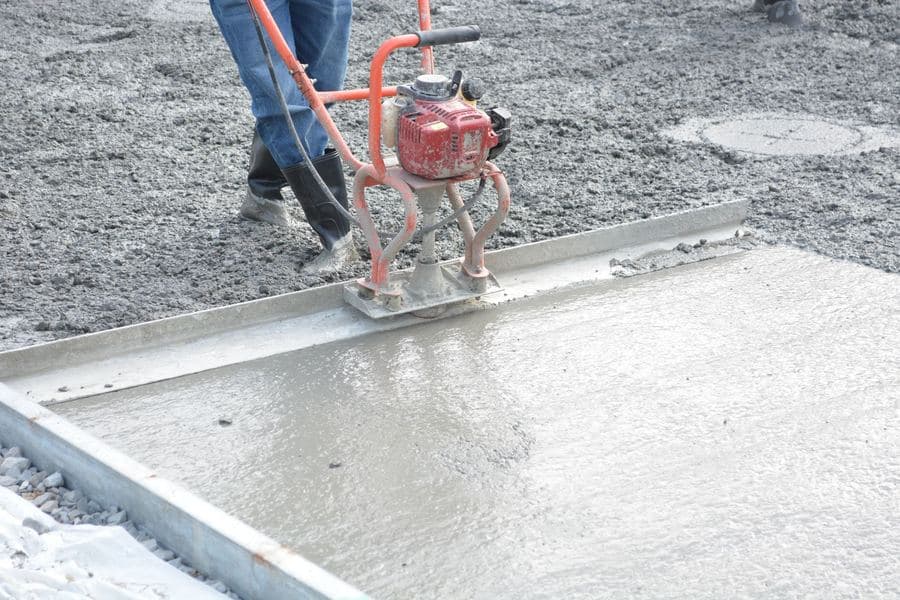
A poured concrete slab or concrete pier footings are the only foundations that let you anchor to a manufacturer's published rating in any soil condition. Pavers over a compacted base work if the fixing reaches something solid beneath them. A gravel pad drains best and anchors worst. A timber deck works only where fixings reach framing.
Our picks at a glance
| # | Structure | Best for | Wind rating | Price |
|---|---|---|---|---|
| 01 |  Backyard Discovery Norwood Cedar GazeboThe only gazebo we can find that publishes a 100 mph wind rating and a convertible snow figure — and it converts to roughly 56 lb/ft², several times any other hardtop here. | Why the foundation decides the rating | 100 (Pro-Tect tested; product must be anchored per the manual) | Check price on Amazon |
| 02 | 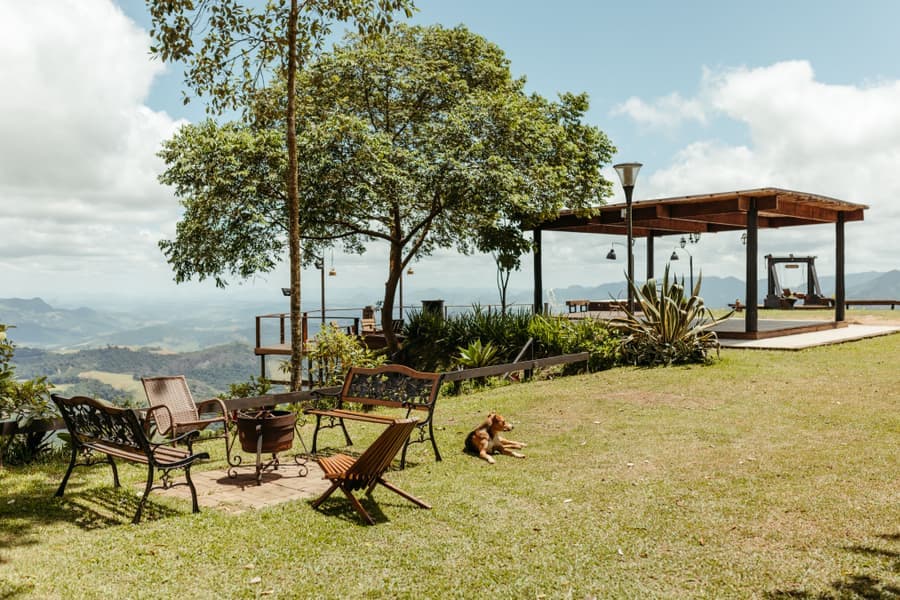 Sunjoy Kingston 12 x 14 Aluminum Gazebo with Steel RoofPublishes both a wind rating and a snow figure — but the snow figure is a whole-roof total, not a per-square-foot load, so it is not directly comparable to anyone else's. | The foundation decides which fixing you buy | 50 | Check price on Amazon |
| 03 | 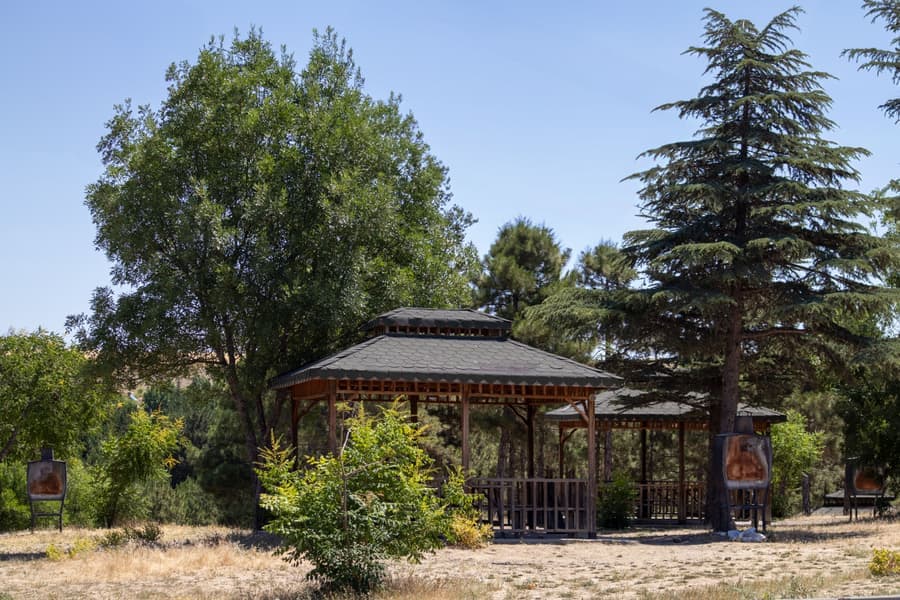 Yardistry Meridian 12 x 14 Cedar GazeboThe only structure here with 6x6 cedar posts and a five-year rot warranty — and it publishes no wind or snow figure at all. | The manufacturer saying it out loud | Not published by manufacturer | Check price on Amazon |
The durability table
Every published figure we could source for these structures, in one place, with the manufacturer page each number came from. Where a cell reads "Not published by manufacturer", that figure does not exist in the manufacturer's own material — we do not estimate it and we do not copy one from another site.
| Model | Wind rating (mph) | Snow load | Frame | Roof | Anchoring required | Warranty | Spec source |
|---|---|---|---|---|---|---|---|
| Backyard Discovery Norwood Cedar GazeboTop pick | 100 (Pro-Tect tested; product must be anchored per the manual) | 6,700 lb across the roof, or up to 30 in. of snow (12 x 10 ft model — roughly 56 lb/ft²) | 100% cedar, 6 in. x 6 in. posts, galvanized steel hardware | 29-gauge galvanized steel peak roof, thermal insulated | Mandatory. Product must be anchored as specified in the instruction manual | 5 years | Backyard Discovery Norwood 12x10 product pageChecked 2026-09-26 |
| Sunjoy Kingston 12 x 14 Aluminum Gazebo with Steel Roof | 50 | 3,000 lb across the entire roof (not a per-square-foot rating) | Aluminum and steel | Galvanized steel, two-tier vented | Pre-drilled ground plates: included stakes for soft ground, expansion bolts for hard surfaces (bolts not included) | Not published by manufacturer | Sunjoy Kingston product pageChecked 2026-09-26 |
| Yardistry Meridian 12 x 14 Cedar Gazebo | Not published by manufacturer | Not published by manufacturer | 100% premium cedar, 6 in. x 6 in. posts with heavy corner gussets | Rust-proof coffee-brown aluminum | Post mounting brackets supplied; anchoring hardware is not, because mounting surfaces vary | 1 year on materials and workmanship; 5 years on lumber against rot and decay | Yardistry Meridian 12x14 product pageChecked 2026-09-26 |
Every pick in full
Why the foundation decides the rating
Backyard Discovery Norwood Cedar Gazebo
The only gazebo we can find that publishes a 100 mph wind rating and a convertible snow figure — and it converts to roughly 56 lb/ft², several times any other hardtop here.
- Wind rating
- 100 (Pro-Tect tested; product must be anchored per the manual)
- Snow load
- 6,700 lb across the roof, or up to 30 in. of snow (12 x 10 ft model — roughly 56 lb/ft²)
- Frame
- 100% cedar, 6 in. x 6 in. posts, galvanized steel hardware
- Roof
- 29-gauge galvanized steel peak roof, thermal insulated
- Anchoring
- Mandatory. Product must be anchored as specified in the instruction manual
- Warranty
- 5 years
- Sizes
- 10 x 10, 12 x 10, 14 x 10, 14 x 12, 16 x 12, 20 x 12 and 24 x 12 ft
The clearest demonstration on this site that a published figure is a statement about the whole installation, not about the product in the box.
100 mph Pro-Tect tested wind rating, 6,700 lb of snow capacity over a 12 x 10 ft roof — roughly 56 lb/ft² — and a manufacturer statement that the product must be anchored as specified in the instruction manual. Not "should be". Must.
That sentence transfers the whole question to your foundation. Backyard Discovery tested a structure correctly anchored; what it is anchored *into* is yours to provide, and a 100 mph structure on an inadequate base is not a 100 mph structure.
The build also constrains the foundation in a second way. 100% cedar on 6 in. x 6 in. posts means end grain at ground level, and end grain in standing water is the one place timber reliably rots. Whatever foundation you choose has to drain, and the post base has to sit above the water line rather than in it.
Skip it if: You have not decided the foundation yet. Pick the base first — the published figure only exists on top of one.
#ad Price shown as of September 26, 2026. How this site is funded
Specifications from Backyard Discovery Norwood 12x10 product page, checked 2026-09-26.
The foundation decides which fixing you buy
Sunjoy Kingston 12 x 14 Aluminum Gazebo with Steel Roof
Publishes both a wind rating and a snow figure — but the snow figure is a whole-roof total, not a per-square-foot load, so it is not directly comparable to anyone else's.
- Wind rating
- 50
- Snow load
- 3,000 lb across the entire roof (not a per-square-foot rating)
- Frame
- Aluminum and steel
- Roof
- Galvanized steel, two-tier vented
- Anchoring
- Pre-drilled ground plates: included stakes for soft ground, expansion bolts for hard surfaces (bolts not included)
- Warranty
- Not published by manufacturer
- Sizes
- Roof 12 x 14 ft; base 11 x 13 ft; height 11.02 ft
The most useful anchoring provision published in this category, because it is written as two different answers for two different foundations.
Pre-drilled ground plates with three holes each. Stakes included for soft ground. Expansion bolts for hard surfaces — and those are not included. One product, two foundations, two entirely different shopping lists.
This is the practical reason to choose the base before the gazebo. If you are going onto grass or a gravel pad, the fixings are in the box. If you are going onto a slab or pavers, there is a trip to the hardware store between delivery and a gazebo that is actually anchored.
The figures the fixings protect are 50 mph and 3,000 lb across the entire roof — roughly 17.9 lb/ft² over a 12 x 14 ft roof, which is a genuinely strong number for an aluminum frame. Snow load explained walks through the conversion.
Skip it if: You wanted a single answer. The honest one is that the fixing depends on what you build underneath.
#ad Price shown as of September 26, 2026. How this site is funded
Specifications from Sunjoy Kingston product page, checked 2026-09-26.
The manufacturer saying it out loud
Yardistry Meridian 12 x 14 Cedar Gazebo
The only structure here with 6x6 cedar posts and a five-year rot warranty — and it publishes no wind or snow figure at all.
- Wind rating
- Not published by manufacturer
- Snow load
- Not published by manufacturer
- Frame
- 100% premium cedar, 6 in. x 6 in. posts with heavy corner gussets
- Roof
- Rust-proof coffee-brown aluminum
- Anchoring
- Post mounting brackets supplied; anchoring hardware is not, because mounting surfaces vary
- Warranty
- 1 year on materials and workmanship; 5 years on lumber against rot and decay
- Sizes
- Roof 12 x 14 ft; base 10 ft 10⅜ in. x 12 ft 10⅜ in.
Included because of one line in the specification that is more useful than most whole care guides.
Post mounting brackets are supplied; anchoring hardware is not, because mounting surfaces vary. That is a manufacturer stating plainly that it cannot specify your foundation and will not pretend to.
The structure itself is 100% premium cedar with 6 in. x 6 in. posts and heavy corner gussets, under a rust-proof coffee-brown aluminum roof, with one year on materials and workmanship and five years on the lumber against rot and decay.
Read the rot warranty next to the foundation decision. Five years against rot is a strong term on timber and it assumes the timber is installed sensibly — which means a base that drains, a post foot clear of standing water, and brackets that hold the end grain off the surface rather than in contact with it.
It publishes no wind or snow figure, so unlike the two above there is no number here that your foundation can either honor or waste. What you are protecting is the timber.
Skip it if: You need a published rating. Yardistry prints neither a wind nor a snow figure.
#ad Price shown as of September 26, 2026. How this site is funded
Specifications from Yardistry Meridian 12x14 product page, checked 2026-09-26.
Why this is a separate decision
Most gazebo buying advice jumps from choosing a model to assembling it. Between those two steps sits a construction job that usually costs more than the assembly and takes longer to cure than the gazebo takes to build.
Nobody specifies it for you, and the better manufacturers say so. Yardistry's own copy states that anchoring hardware is not supplied because mounting surfaces vary. Sunjoy publishes two different fixing answers for soft and hard ground. Neither can tell you what to build, because neither knows your soil, your drainage or your frost depth.
And every published rating sits on top of it. Backyard Discovery's 100 mph is explicitly conditional on anchoring per the manual; Sunjoy's 50 mph assumes its ground plates are fixed down. A foundation that cannot take a proper anchor does not reduce those numbers slightly — it removes them.
This page is about what to build. How to anchor a gazebo is about fixing to it once it is there.
The five foundations, and what each can hold
Ranked by what they can anchor rather than by cost, because anchoring is what the published figures depend on.
- Poured concrete slab — the best case, and the most work. Takes an expansion anchor anywhere, holds any structure on this site, and gives you a finished floor at the same time. It is a real construction job: excavation, a compacted sub-base, formwork, reinforcement where the span warrants it, and a cure before anything gets bolted down. It also has to be laid to a fall so water leaves rather than sits.
- Concrete pier footings — the best value for a timber gazebo. Individual footings under each post, taken below frost depth, with post bases that hold end grain clear of the ground. Far less concrete than a slab, the same anchoring quality where it matters, and the space between them stays permeable. The drawback is that the floor is then a separate decision.
- Pavers over a compacted base — fine, with one condition. A paver patio takes load well and looks finished. What it does not reliably take is an expansion anchor, because a paver on sand is not restrained. Either lift the pavers and fix through to a footing beneath, or accept that the anchoring is nominal. This is the foundation most often over-trusted.
- Gravel pad — drains best, anchors worst. Compacted gravel over a geotextile is cheap, quick, permeable and forgiving of a sloped site. It will take a staked anchor in the same way soil will, and it will not take anything better. Good under a light structure in a sheltered yard; not a base for a 100 mph rating.
- A timber or composite deck — a structural question, not a surface one. The deck has to carry the gazebo's dead load and its wind uplift, and the fixings must reach joists, beams or added blocking rather than decking boards. Where that is true it is an excellent foundation. Where it is not, a surface plate screwed to boards is decoration. Best gazebos for decks covers the structure side.
Side by side
The same five, compared on the four things that decide between them.
| Foundation | Anchor it takes | Drainage | Level tolerance | How it fails |
|---|---|---|---|---|
| Poured concrete slab | Expansion anchors anywhere — the strongest available | Only if laid to a fall | Set once, stays set | Water sits on a flat slab and wicks into post bases |
| Concrete pier footings | Expansion anchors or cast-in post bases, below frost depth | Excellent — ground between stays permeable | Each pier set individually; easy to get wrong | Piers set above frost depth heave and rack the frame |
| Pavers over compacted base | Nominal unless the fixing reaches a footing beneath | Good | Re-levellable, which is a genuine advantage | Anchors pull out with the paver they are set in |
| Compacted gravel pad | Staked anchors only | The best of the five | Forgiving, needs topping up | No meaningful uplift resistance in a storm |
| Timber or composite deck | Structural fixings into joists, beams or blocking | Good, by design | Inherited from the deck | Fixings landed in decking boards rather than framing |
The highlighted row is where we would spend on a timber gazebo: pier footings give you slab-quality anchoring at each post, below frost depth, without pouring a slab or sealing the ground. For an aluminum hardtop on an existing patio, the slab you already have is the right answer.
Setting it out
Whichever foundation you choose, the sequence is the same and the order genuinely matters.
- 01Get the gazebo's base dimensions, not its roof dimensions. They are different and manufacturers publish both. The Sunjoy Kingston has a 12 x 14 ft roof over an 11 x 13 ft base; the Yardistry Meridian has a 12 x 14 ft roof over a base of 10 ft 10⅜ in. by 12 ft 10⅜ in. Build to the base and let the roof overhang.
- 02Find out your frost depth from the building department, and go below it. This is the one number nobody on the internet can give you, it varies enormously by location, and a footing set above it will heave. A heaved footing racks the frame, and a racked frame loads its joints unevenly for the rest of its life.
- 03Set it out square before you dig, and check the diagonals. Equal diagonals mean a square rectangle. Getting this wrong is cheap to fix with string and expensive to fix with concrete.
- 04Lay to a fall, or build a base that drains. A dead-flat slab holds water against the post feet, which is the wettest, slowest-drying part of any structure and the first place timber rots and plated fixings corrode.
- 05Then let it cure before you bolt anything down. An expansion anchor set in green concrete is not an anchor, and it is the kind of mistake that stays hidden until the storm that finds it.
The level tolerance nobody mentions
This is the failure we would most like people to avoid, because it is invisible, permanent and entirely preventable.
A gazebo frame is a set of rigid connections, and it assumes a flat base. Set one post 15 mm low and the frame racks to suit: the corner gussets go into permanent shear, the roof panels sit out of plane and never seal quite right, and every bolt in the structure carries a load it was never designed to carry — forever, in addition to whatever the weather adds.
It also shows up years later as the thing nobody can diagnose. A door that catches, a panel that leaks in one corner only, a joint that keeps loosening no matter how often it is re-torqued. Those are symptoms of a base that was never flat, and they cannot be fixed by tightening anything.
So spend the extra hour. A long level, a straight edge across the diagonals, and water poured on a slab to see where it goes. It is the cheapest hour in the whole project and it is the difference between a structure that ages and one that fights itself.
What we would actually do
For a timber gazebo on open ground: concrete pier footings below frost depth, with post bases that hold end grain clear of the soil. Slab-quality anchoring exactly where the load is, no sealed ground, and it is the foundation that most respects a five-year rot warranty.
For an aluminum hardtop on an existing patio: use the patio, and buy the expansion bolts. Sunjoy states outright that bolts for hard surfaces are not included, and they are the last hundred dollars that make the 50 mph figure apply to your installation rather than to a test rig.
For a gravel pad: be honest about what you are building. It drains beautifully and it will hold a light structure in a sheltered yard. It will not give you uplift resistance, so do not pay for a 100 mph gazebo and stand it on one.
And on any foundation, keep the post feet out of standing water. Every material on this site fails at that point first, and the foundation is the only chance you get to design the problem out. Materials and warranties covers what each one does when you do not.
Questions people ask
What is the best foundation for a gazebo?
Can you put a gazebo on gravel?
Can you put a gazebo on a paver patio?
Does a gazebo need a concrete base?
How deep should gazebo footings be?
Can a gazebo go on a deck?
How level does a gazebo base need to be?
Should I build the foundation before buying the gazebo?
Where these figures came from
- Backyard Discovery Norwood 12 x 10 — 100 mph Pro-Tect tested wind rating, 6,700 lb / 30 in. snow figure, 6x6 cedar posts, product must be anchored as specified in the manual
- Sunjoy Kingston 12 x 14 — pre-drilled ground plates, stakes included for soft ground, expansion bolts for hard surfaces not included, 12 x 14 ft roof over an 11 x 13 ft base
- Yardistry Meridian 12 x 14 — post mounting brackets supplied and anchoring hardware not, because mounting surfaces vary; published base dimensions; 5-year rot warranty
Found an error? Tell us and we will correct it within seven days and note the change on the page with a dated line — see our editorial policy.