How to add shade to a pergola
An open-rafter pergola gives dappled light, not shade. Fixing that costs a fraction of the pergola — provided you add fabric rather than a roof the frame was never rated to carry.
By Ryder M. · Published · Last updated
We compare published manufacturer specifications, warranty terms and owner-reported failure modes. We have not physically tested these structures. How we judge shade structures
Slat & Shade earns a commission on qualifying purchases made through links on this page. It costs you nothing extra and never changes what we recommend. Full disclosure
Part of Pergolas
The short answer
Add a breathable shade fabric at 70% to 90% UV block, fixed above the rafters with a fall so water runs off. Do not add a solid or louvered roof to an existing frame: that adds snow and uplift load the structure was never rated for.
Our picks at a glance
| # | Structure | Best for | Wind rating | Price |
|---|---|---|---|---|
| 01 | 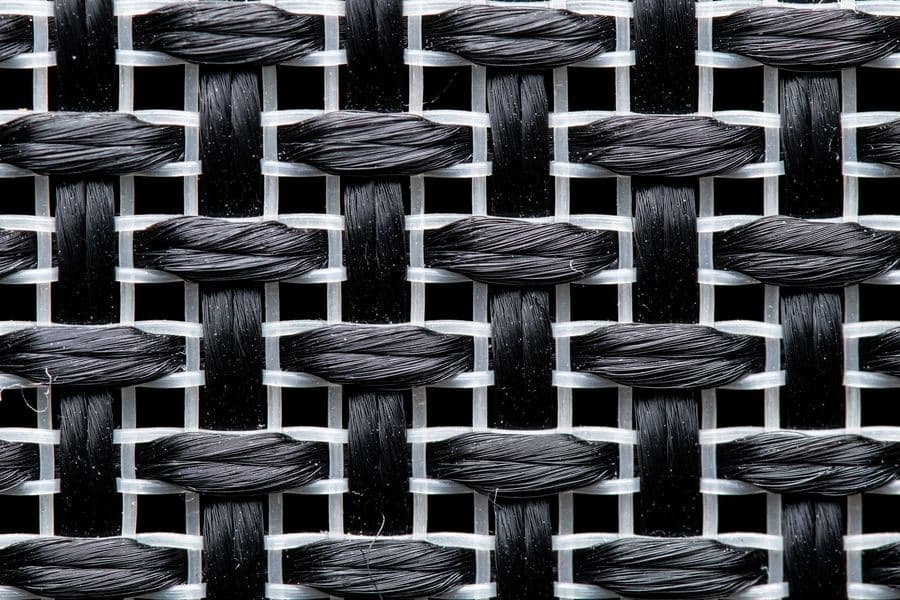 Coolaroo Sun Protection Shade Fabric, 90% UV BlockThe densest fabric Coolaroo publishes, on the same fifteen-year UV warranty — the one to buy when the thing you are shading is people rather than plants. | Top pick for real shade | Not published by manufacturer | Check price on Amazon |
| 02 | 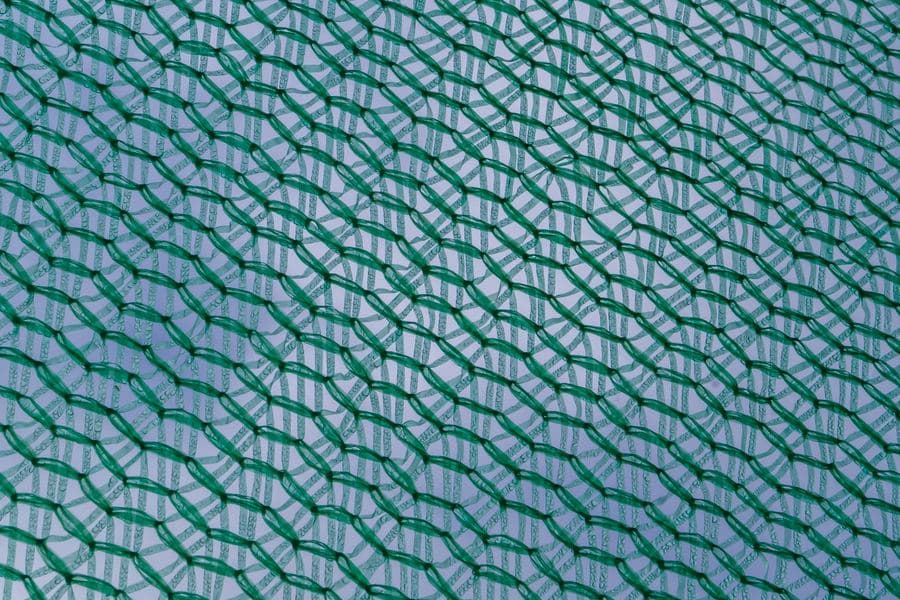 Windscreen4less Shade Fabric Cloth, 180 GSMThe only shade cloth here that publishes a GSM figure, and the only one sold cut to your dimensions — with a cut edge, which is the trade you are making. | Best for fitting between rafters | Not published by manufacturer | Check price on Amazon |
| 03 | 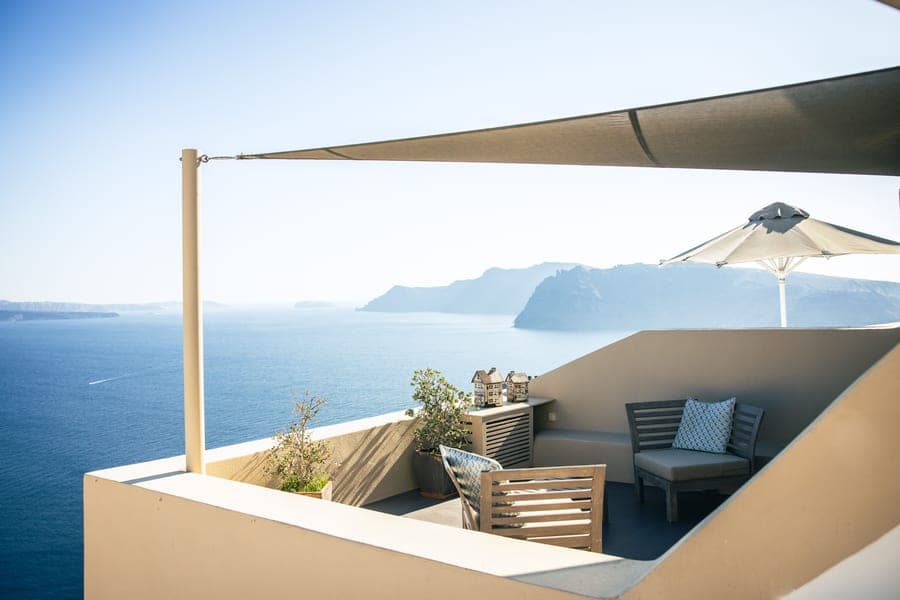 ColourTree Rectangle Sun Shade Sail, 190 GSMThe clearest published fabric spec in the category — 190 GSM virgin HDPE, 95% UV block, three-year warranty — with the hardware sold separately. | Best if you want it tensioned above the frame | Not published by manufacturer | Check price on Amazon |
| 04 |  Coolaroo Screening Shade Fabric, 70% UV BlockThe density that matches what most greenhouse guidance actually asks for, from the one brand in this category publishing its fabric construction. | Best if you want to keep some light | Not published by manufacturer | Check price on Amazon |
The durability table
Every published figure we could source for these structures, in one place, with the manufacturer page each number came from. Where a cell reads "Not published by manufacturer", that figure does not exist in the manufacturer's own material — we do not estimate it and we do not copy one from another site.
| Model | Wind rating (mph) | Snow load | Frame | Roof | Anchoring required | Warranty | Spec source |
|---|---|---|---|---|---|---|---|
| Coolaroo Sun Protection Shade Fabric, 90% UV BlockTop pick | Not published by manufacturer | Not published by manufacturer | No frame — HDPE fabric in a knitted tape/mono construction | Knitted HDPE, up to 90% UV block, air flows through the knit | Not published by manufacturer | 15-year fabric warranty against cracks, splits and tears due to UV degradation | Coolaroo Sun Protection Fabric 90% UV Block product pageChecked 2026-09-29 |
| Windscreen4less Shade Fabric Cloth, 180 GSM | Not published by manufacturer | Not published by manufacturer | No frame — 100% UV stabilized polyethylene in a lock-stitch knitted construction | 180 GSM knitted polyethylene, 75% block rate, up to 95% UV stabilized | Cut edge, no edge taping — grommets, tape and fixings are a separate purchase | 3-year limited warranty | Windscreen4less shade fabric cloth product pageChecked 2026-09-29 |
| ColourTree Rectangle Sun Shade Sail, 190 GSM | Not published by manufacturer | Not published by manufacturer | No frame — 100% virgin (non-recycled) HDPE fabric, reinforced stitched seams | 190 GSM HDPE mesh, 95% UV block, breathable | Stainless steel D-ring at each corner; cable rope and hardware kits sold separately | 3 years under normal weather and usage | ColourTree rectangle shade sail product pageChecked 2026-09-26 |
| Coolaroo Screening Shade Fabric, 70% UV Block | Not published by manufacturer | Not published by manufacturer | No frame — knitted HDPE shade fabric | Knitted HDPE, up to 70% UV block, breathable | Not published by manufacturer | Not published by manufacturer | Coolaroo Screening Shade Fabric collectionChecked 2026-09-29 |
Every pick in full
Top pick for real shade
Coolaroo Sun Protection Shade Fabric, 90% UV Block
The densest fabric Coolaroo publishes, on the same fifteen-year UV warranty — the one to buy when the thing you are shading is people rather than plants.
- Wind rating
- Not published by manufacturer
- Snow load
- Not published by manufacturer
- Frame
- No frame — HDPE fabric in a knitted tape/mono construction
- Roof
- Knitted HDPE, up to 90% UV block, air flows through the knit
- Anchoring
- Not published by manufacturer
- Warranty
- 15-year fabric warranty against cracks, splits and tears due to UV degradation
- Sizes
- 6 x 15 ft, 6 x 50 ft, 6 x 100 ft and 12 x 50 ft
If the complaint is that the pergola does not actually shade anything, this is the fabric that fixes it — and the density is the reason.
Up to 90% UV block, in a knitted HDPE tape and monofilament construction, with air flowing through the knit. Ninety per cent is what turns dappled light into usable shade. The garden-grade fabrics at 30% and 50% will not do it, and the most common mistake here is buying the cloth that was sold to shade vegetables.
Breathable matters more over a pergola than anywhere else. A pergola is open at the sides, so hot air under a breathable fabric rises through it and keeps moving. Under a solid tarp it has nowhere to go, and you get a hot still box with a shadow in it — which is why the fabric people most often reach for is the worst choice.
A 15-year fabric warranty against cracks, splits and tears due to UV degradation, in 6 x 15 ft, 6 x 50 ft, 6 x 100 ft and 12 x 50 ft. The 12 ft width is the one to buy if your pergola is 10 to 12 ft across: one piece over the whole span, no seam down the middle.
Skip it if: You like the dappled light and only want the worst of the afternoon taken off. At 90% the space underneath genuinely becomes shade.
#ad Price shown as of September 26, 2026. How this site is funded
Specifications from Coolaroo Sun Protection Fabric 90% UV Block product page, checked 2026-09-29.
Best for fitting between rafters
Windscreen4less Shade Fabric Cloth, 180 GSM
The only shade cloth here that publishes a GSM figure, and the only one sold cut to your dimensions — with a cut edge, which is the trade you are making.
- Wind rating
- Not published by manufacturer
- Snow load
- Not published by manufacturer
- Frame
- No frame — 100% UV stabilized polyethylene in a lock-stitch knitted construction
- Roof
- 180 GSM knitted polyethylene, 75% block rate, up to 95% UV stabilized
- Anchoring
- Cut edge, no edge taping — grommets, tape and fixings are a separate purchase
- Warranty
- 3-year limited warranty
- Sizes
- Custom cut, 6-24 ft wide by 1-300 ft long
The only fabric here sold cut to your dimensions, which is the right answer if you want to fill the bays between rafters rather than cover the whole roof.
180 GSM knitted polyethylene, 75% block rate, up to 95% UV stabilized, cut from 6–24 ft wide by 1–300 ft long. Cut to size means you can order the exact bay width, or a single piece wider than any stock panel — 24 ft covers a pergola nothing else here will cover in one piece.
It publishes a GSM figure, which almost no shade cloth does. That lets you compare the cloth weight against the shade sails on this site rather than guessing — GSM and shade percentage explained covers how weight and shade percentage relate.
The trade is the edge: a cut edge with no taping. Grommets, edge tape and fixings are all extra, and an untaped knit will run if you tension it hard. On a pergola that is manageable because you are often fixing to timber with battens rather than tensioning hard — but budget the hemming as part of the job. Three-year limited warranty.
Skip it if: You want to hang it the same afternoon. This is fabric by the yard, not a finished panel.
#ad Price shown as of September 26, 2026. How this site is funded
Specifications from Windscreen4less shade fabric cloth product page, checked 2026-09-29.
Best if you want it tensioned above the frame
ColourTree Rectangle Sun Shade Sail, 190 GSM
The clearest published fabric spec in the category — 190 GSM virgin HDPE, 95% UV block, three-year warranty — with the hardware sold separately.
- Wind rating
- Not published by manufacturer
- Snow load
- Not published by manufacturer
- Frame
- No frame — 100% virgin (non-recycled) HDPE fabric, reinforced stitched seams
- Roof
- 190 GSM HDPE mesh, 95% UV block, breathable
- Anchoring
- Stainless steel D-ring at each corner; cable rope and hardware kits sold separately
- Warranty
- 3 years under normal weather and usage
- Sizes
- 14 sizes, 8 x 10 ft to 16 x 20 ft
A finished sail rigged above the rafters is the tidiest solution of all, and the one that leaves the pergola looking deliberate rather than patched.
190 GSM virgin HDPE, 95% UV block, breathable, reinforced stitched seams, stainless D-rings at every corner, in fourteen sizes from 8 x 10 ft to 16 x 20 ft. Being able to match a sail to the pergola's plan dimensions is the practical advantage over cloth you have to cut and hem.
Tensioning it above the rafters rather than between them has two real benefits. It leaves an air gap, so hot air moves out sideways between fabric and timber instead of sitting against it. And it lets you build in a proper fall, so rain runs off one edge rather than pooling in the middle of a bay.
Hardware is sold separately, which is correct here. You want to fix to the frame's beams rather than its rafters, and choose the fittings to suit. Use stainless, and if there is a pool nearby use 316. Three years of warranty.
Skip it if: Your pergola is an awkward shape. A rectangular sail over a non-rectangular frame wastes fabric — cut cloth is the better answer there.
#ad Price shown as of September 26, 2026. How this site is funded
Specifications from ColourTree rectangle shade sail product page, checked 2026-09-26.
Best if you want to keep some light
Coolaroo Screening Shade Fabric, 70% UV Block
The density that matches what most greenhouse guidance actually asks for, from the one brand in this category publishing its fabric construction.
- Wind rating
- Not published by manufacturer
- Snow load
- Not published by manufacturer
- Frame
- No frame — knitted HDPE shade fabric
- Roof
- Knitted HDPE, up to 70% UV block, breathable
- Anchoring
- Not published by manufacturer
- Warranty
- Not published by manufacturer
- Sizes
- 6 x 15 ft, 6 x 50 ft, 6 x 100 ft and 12 x 50 ft
The middle density, and often the right one on a pergola specifically — because a pergola is usually sited where some light coming through is the point.
Up to 70% UV block, breathable, knitted HDPE, in the same family as the 90% fabric. Seventy per cent removes the glare and most of the heat while keeping the space bright. Over a dining table under a pergola that is frequently a better result than full shade.
Sizes 6 x 15 ft, 6 x 50 ft, 6 x 100 ft and 12 x 50 ft — the same spread as the 90%, so choosing the lighter density costs you nothing in sizing options.
No warranty is published for this line, where the 90% carries 15 years. That is the one mark against it and the reason it ranks below the denser fabric rather than above it, since the two are otherwise the same material doing the same job at different densities.
Skip it if: The pergola takes full afternoon sun in a hot climate. At 70% you will still be moving your chair.
#ad Price shown as of September 26, 2026. How this site is funded
Specifications from Coolaroo Screening Shade Fabric collection, checked 2026-09-29.
Why an open pergola does not shade anything
This is worth being precise about, because the disappointment is extremely common and entirely predictable from the geometry.
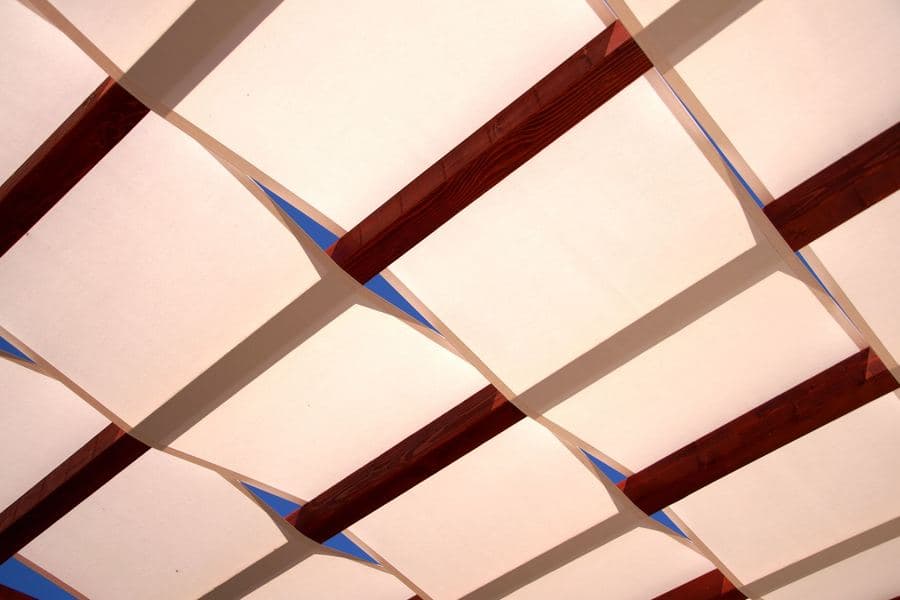
A crossing-rafter roof blocks sun only when the sun is low enough to be behind a rafter. At midday, with the sun overhead, the rafters cast narrow lines and the gaps between them do not. You get stripes, and the stripes move. That is dappled light, and it is lovely — it is simply not shade.
Which is why the structures with the best wind ratings are the worst at shading. The Backyard Discovery Beaumont publishes 100 mph precisely because air passes through its open trellis roof. The same openness that makes it strong makes it transparent. Do pergolas provide shade covers the geometry in detail.
So the fix is to add something the sun cannot pass through, and the only safe thing to add is fabric. A fabric layer adds very little dead load, it is breathable so it does not trap heat, and in a storm it can be removed. Those three properties are what make it the right answer and a rigid roof the wrong one.
What to add, and what never to add
The options in rough order of how well they work, and then the two things that cause real damage.
- A shade fabric or sail above the rafters, with a fall. The best answer in nearly every case. Negligible dead load, breathable, drains, removable for winter, and it leaves an air gap that keeps hot air moving.
- Fabric fitted between the rafters, bay by bay. Tidier-looking and more work. Use cut-to-size cloth, fix with battens so the load spreads, and keep a fall in each bay or water will pond in the middle.
- Reed, bamboo or willow screening. Cheap, looks good, and is a genuine consumable — two or three seasons, and it holds moisture against timber the whole time. Fine if you accept replacing it.
- Climbing plants. The traditional answer and the slowest. Real shade in three to five years, substantial added weight once mature, and permanent moisture against the frame. Lovely, and not a solution to this summer.
- Never add a solid or louvered roof panel to an existing frame. This is the one that causes structural failures. A solid roof adds a snow load and an uplift load the frame was never rated for, and no published wind figure on your pergola covers it. If you want a roof, buy a pergola with one — best pergolas with a roof ranks them.
- Never use a solid tarpaulin. It does not breathe, so it traps hot air underneath; it does not drain, so it ponds; and it catches wind like a sail with no hardware to take the load. It is the cheapest option and the one most likely to pull fixings out of your rafters.
Fitting it so it lasts
An afternoon's work. The failures are all in the detail, and all of them are avoidable.
- 01Measure the bay or the span and add for the fall. Fabric fitted dead flat will pond, and ponded water on a knit is weight in exactly the wrong place. Plan for several inches of drop across the span before you order anything.
- 02Fix to the beams, not the rafter mid-spans. Beams are the members sized to carry load. A fixing in the middle of a rafter loads it in bending, which is the direction it is least able to resist.
- 03Spread the load at every fixing point. A cable tie through one knit loop is a tear waiting to happen. Use a batten, a reinforced eyelet, or edge tape so the pull is shared across several inches of fabric.
- 04Reinforce a cut edge before you tension it. This is the step cut-to-size cloth needs and a finished sail does not. Tape or hem it, then fix through the reinforcement.
- 05Leave an air gap if you are fitting above the rafters. An inch or two is enough. It lets hot air escape sideways rather than sitting between fabric and timber, and it keeps the timber dry.
- 06Tension it in two directions. Tight along the length and loose across the width means it flaps, and flapping is fatigue in the fabric and in every fixing.
- 07Then plan to take it down for winter. Shade fabric is a summer component: a tensioned panel holding wet snow pulls fixings out of timber. Shade sail care and cleaning covers storing it so it survives the off-season.
What we would actually do
A 12 ft width of 90% Coolaroo above the rafters, with a fall across the span and battens spreading the load. One piece, no seam, real shade, breathable, and a 15-year warranty against the only thing that actually kills shade fabric.
The 70% instead if the pergola is somewhere you want brightness — over a dining table, or in a cooler climate where full shade makes the space feel closed.
A finished sail if you want it to look designed, tensioned above the frame off the beams, with stainless fittings. It costs more per square foot than cloth and takes half the time to fit.
Cut-to-size cloth if the span is awkward or wider than 12 ft — and budget the edge tape, because an untaped cut edge will run.
And do not put a rigid roof on a frame that came without one. It is the one modification on this page that can damage the structure, and it voids any logic behind the pergola's published wind rating.
Questions people ask
How do you add shade to a pergola?
What is the best shade cloth for a pergola?
Can you put a roof on an existing pergola?
Why doesn't my pergola provide shade?
Can you use a tarp on a pergola?
Should shade cloth go above or between pergola rafters?
How much shade cloth do I need for a pergola?
Should I take pergola shade cloth down in winter?
Where these figures came from
- Coolaroo Sun Protection Fabric 90% UV Block — knitted HDPE tape/mono construction, breathable, 15-year fabric warranty against UV cracks, splits and tears, 6 x 15 ft to 12 x 50 ft
- Windscreen4less shade fabric cloth — 180 GSM lock-stitch knitted polyethylene, 75% block rate, up to 95% UV stabilized, custom cut 6–24 ft by 1–300 ft, cut edge with no taping
- ColourTree rectangle sun shade sail — 190 GSM virgin HDPE, 95% UV block, stainless D-rings, 14 sizes from 8 x 10 ft to 16 x 20 ft, hardware sold separately
- Coolaroo Screening Shade Fabric — up to 70% UV block, knitted HDPE, breathable, 6 x 15 ft to 12 x 50 ft
- Backyard Discovery Beaumont cedar pergola — 100 mph when properly anchored, multi-level cedar trellis roof of crossing rafters, open rather than solid
Found an error? Tell us and we will correct it within seven days and note the change on the page with a dated line — see our editorial policy.