The best cedar and wood pergola kits
This is a two-product list, and the reason is the point: most wood pergola kits publish almost nothing about themselves. Here is what the two that do actually say.
By Ryder M. · Published · Last updated
We compare published manufacturer specifications, warranty terms and owner-reported failure modes. We have not physically tested these structures. How we judge shade structures
Slat & Shade earns a commission on qualifying purchases made through links on this page. It costs you nothing extra and never changes what we recommend. Full disclosure
Part of Pergolas
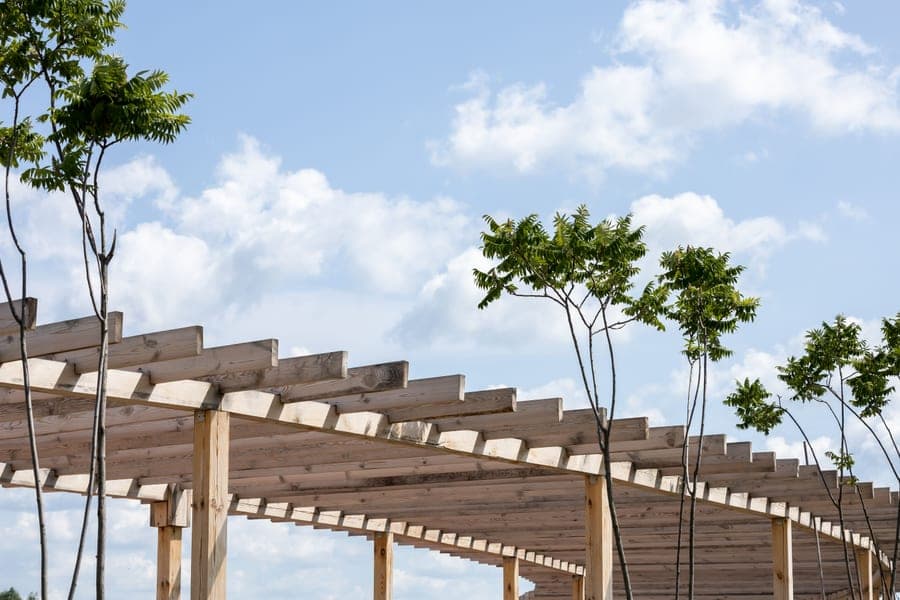
The short answer
The Yardistry 12 x 12 is the pick on cedar-specific criteria: 6 x 6 posts, the largest section available, with plinths keeping the base out of standing water and a five-year warranty on the lumber against rot. The Backyard Discovery Beaumont is the pick if you want published loading figures — 100 mph, and anchoring made mandatory.
Our picks at a glance
| # | Structure | Best for | Wind rating | Price |
|---|---|---|---|---|
| 01 | 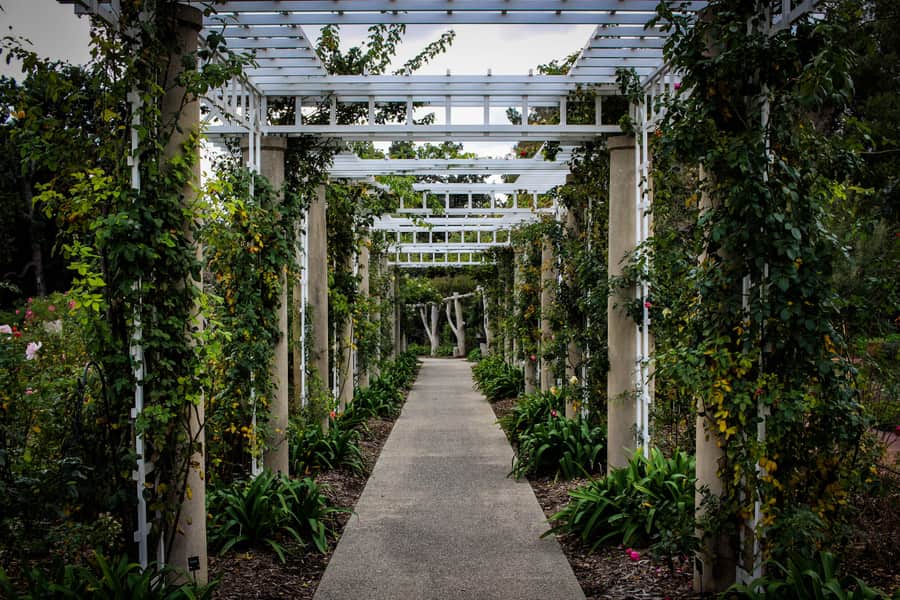 Yardistry 12 x 12 Pergola6x6 posts and a five-year rot warranty on a traditional multilevel trellis pergola — and the only pergola here that publishes its base dimensions as well as its roof. | Top pick on cedar criteria | Not published by manufacturer | Check price on Amazon |
| 02 | Backyard Discovery Beaumont Cedar PergolaThe highest published wind rating of any pergola on this site, and the only wood kit whose manufacturer makes anchoring a stated condition of the rating. | Best documented wood kit | 100 (when properly anchored) | Check price on Amazon |
| 03 |  Domi Outdoor Living Aluminum Louvered PergolaThe only louvered pergola here that publishes a snow load in pounds per square foot and backs the roof and frame for five years rather than one. | The aluminum alternative, if wood surprises you | 72 | Check price on Amazon |
| 04 | 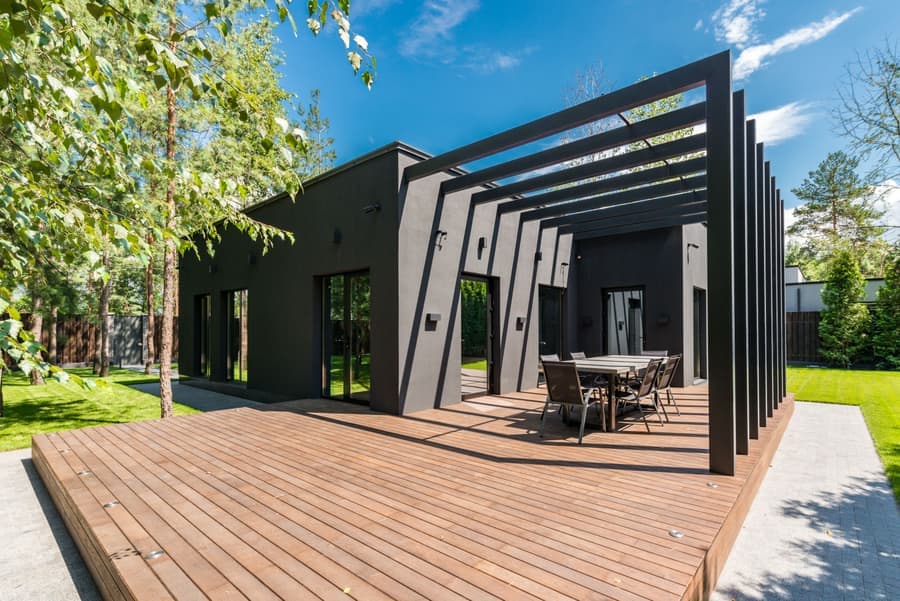 PURPLE LEAF Caesar Louvered PergolaThe same frame system as the Athena in more sizes and configurations, with a slightly lower published wind figure and the same one-year warranty. | The wood-look aluminum option | 70 (under normal installation) | Check price on Amazon |
The durability table
Every published figure we could source for these structures, in one place, with the manufacturer page each number came from. Where a cell reads "Not published by manufacturer", that figure does not exist in the manufacturer's own material — we do not estimate it and we do not copy one from another site.
| Model | Wind rating (mph) | Snow load | Frame | Roof | Anchoring required | Warranty | Spec source |
|---|---|---|---|---|---|---|---|
| Yardistry 12 x 12 PergolaTop pick | Not published by manufacturer | Not published by manufacturer | 6 in. x 6 in. posts with classic plinths (species not stated on the product page) | Multilevel open pergola roof with profiled beam and trellis ends — open, not solid | Not published by manufacturer | 5 years limited on lumber against rot and decay; 1 year on materials and workmanship | Yardistry 12x12 pergola product pageChecked 2026-09-26 |
| Backyard Discovery Beaumont Cedar Pergola | 100 (when properly anchored) | Not published by manufacturer | 100% cedar, 5.5 in. x 5.5 in. posts | Multi-level cedar trellis roof with crossing rafters — open, not solid | Mandatory. Concealed concrete anchors, per the instruction manual | 5 years | Backyard Discovery Beaumont product pageChecked 2026-09-26 |
| Domi Outdoor Living Aluminum Louvered Pergola | 72 | 15 lb/ft² | Aluminum | Aluminum louvers, adjustable | M6 expansion bolts into a wooden deck or concrete floor, immediately after assembly | 5 years on hardtop roof and frame; 1 year on curtains and netting | Domi Outdoor Living product pageChecked 2026-09-26 |
| PURPLE LEAF Caesar Louvered Pergola | 70 (under normal installation) | Not published by manufacturer | Powder-coated aluminum | Adjustable aluminum louvers | Not published by manufacturer | 1 year | PURPLE LEAF louvered pergola collectionChecked 2026-09-26 |
Every pick in full
Top pick on cedar criteria
Yardistry 12 x 12 Pergola
6x6 posts and a five-year rot warranty on a traditional multilevel trellis pergola — and the only pergola here that publishes its base dimensions as well as its roof.
- Wind rating
- Not published by manufacturer
- Snow load
- Not published by manufacturer
- Frame
- 6 in. x 6 in. posts with classic plinths (species not stated on the product page)
- Roof
- Multilevel open pergola roof with profiled beam and trellis ends — open, not solid
- Anchoring
- Not published by manufacturer
- Warranty
- 5 years limited on lumber against rot and decay; 1 year on materials and workmanship
- Sizes
- Roof 12 x 12 ft, 8 ft 6 in. high; base 10 x 10 ft outside-to-outside of posts
It wins on the specifications that actually decide how long a timber structure lasts, which are not the same as the specifications that decide an aluminum one.
6 in. x 6 in. posts with classic plinths. That is the largest post section in this comparison, and the plinths matter more than they look. A plinth lifts the post base off the surface, and end grain sitting in standing water is the single most predictable failure point on any wood structure — water wicks up end grain far faster than it penetrates a face, and rot starts there. A detail that keeps the base out of the puddle is doing more for the structure's life than most published figures.
Five years limited on the lumber against rot and decay, one year on materials and workmanship. The split is the informative part: Yardistry has put its extended coverage precisely where cedar's risk is, which is a manufacturer that knows what its material does. It is the same warranty structure it uses on its cedar gazebos.
It also publishes what almost nobody in backyard shade does: a 12 x 12 ft roof at 8 ft 6 in. high over a 10 x 10 ft base, outside-to-outside of the posts. Over a foot lost in each direction between the number on the box and the space between the posts. That is the figure you have to fit your furniture into, and it is the one that determines where an anchor can go.
What it does not publish: any wind rating, any snow figure, and any anchoring specification — though an anchoring service is offered as a paid add-on, which is itself a signal that the manufacturer expects it done. The product page also does not state the species, so we have cited the post dimensions and construction rather than claiming a material the page does not name.
Skip it if: You need published loading figures — this publishes none — or you will not re-seal it every two to three years.
#ad Price shown as of September 26, 2026. How this site is funded
Specifications from Yardistry 12x12 pergola product page, checked 2026-09-26.
Best documented wood kit
Backyard Discovery Beaumont Cedar Pergola
The highest published wind rating of any pergola on this site, and the only wood kit whose manufacturer makes anchoring a stated condition of the rating.
- Wind rating
- 100 (when properly anchored)
- Snow load
- Not published by manufacturer
- Frame
- 100% cedar, 5.5 in. x 5.5 in. posts
- Roof
- Multi-level cedar trellis roof with crossing rafters — open, not solid
- Anchoring
- Mandatory. Concealed concrete anchors, per the instruction manual
- Warranty
- 5 years
- Sizes
- 10 x 10 ft, 12 x 10 ft, 14 x 10 ft, 14 x 12 ft, 16 x 12 ft, 20 x 12 ft
The only wood pergola kit we can find that publishes a wind rating at all, and the figure is the highest in backyard shade.
100 mph, Pro-Tect tested, with the condition stated in its strongest form: the product must be anchored as specified in the instruction manual, with concealed concrete anchors. On a page about wood kits that matters twice — once because it is a real figure to compare against, and once because making anchoring mandatory rather than advisory is the clearest durability signal a manufacturer can send.
100% cedar with 5.5 in. x 5.5 in. posts, dual structural cross beams and corbels. Half an inch less section than the Yardistry, and with the dual cross beams and corbels doing structural work at the connections — which is where post-and-beam frames actually fail, by racking before anything breaks.
The roof is a multi-level cedar trellis with crossing rafters — open, not solid. That is the best wind configuration available and it means dappled shade rather than shelter. If you are expecting rain cover from a pergola, read do pergolas provide shade first, because this is the most common mismatch of expectation in the category.
Five-year warranty, flat rather than split — a long single term rather than Yardistry's structure of one year general and five on rot. Sizes 10 x 10 through 20 x 12 ft, and it includes a PowerPort with outlets and USB ports, which is genuinely useful and has nothing to do with durability.
Skip it if: You want the heaviest post section or a rot-specific warranty term — Yardistry has 6x6 posts and five years against rot and decay specifically.
#ad Price shown as of September 26, 2026. How this site is funded
Specifications from Backyard Discovery Beaumont product page, checked 2026-09-26.
The aluminum alternative, if wood surprises you
Domi Outdoor Living Aluminum Louvered Pergola
The only louvered pergola here that publishes a snow load in pounds per square foot and backs the roof and frame for five years rather than one.
- Wind rating
- 72
- Snow load
- 15 lb/ft²
- Frame
- Aluminum
- Roof
- Aluminum louvers, adjustable
- Anchoring
- M6 expansion bolts into a wooden deck or concrete floor, immediately after assembly
- Warranty
- 5 years on hardtop roof and frame; 1 year on curtains and netting
- Sizes
- 10 x 10 ft, 10 x 12 ft, 10 x 13 ft, 12 x 16 ft, 12 x 20 ft
Not a wood kit, and here deliberately — because a meaningful share of people shopping for a cedar pergola have not priced in what cedar asks of them, and would be better served by aluminum.
The cedar commitment is re-sealing every two to three years, with attention to end grain and every point where a bolt passes through. Do it and cedar outlasts aluminum and stays repairable board by board. Skip it and cedar grays, checks at the through-bolts and rots within a handful of years — at which point you would have been better off with aluminum from the start. That is the most common bad outcome in this category and it is worth naming before you buy.
If that maintenance is not realistic, this is the alternative: 72 mph wind and 15 lb/ft² snow published, five years on the hardtop roof and frame, an adjustable louvered roof that gives you rain cover when closed, and nothing to maintain but washing and a seasonal fastener check.
What you give up is repairability and the way wood looks. A chalked powder coat is permanent, there is no replacing one board of an aluminum frame, and a cedar pergola reads as architecture in a way an extrusion does not. Those are real losses and for some people they decide it.
Aluminum vs wood pergolas is the full comparison if you are genuinely undecided.
Skip it if: You want wood, and you will maintain it. Then buy wood — this is here for the people who will not.
#ad Price shown as of September 26, 2026. How this site is funded
Specifications from Domi Outdoor Living product page, checked 2026-09-26.
The wood-look aluminum option
PURPLE LEAF Caesar Louvered Pergola
The same frame system as the Athena in more sizes and configurations, with a slightly lower published wind figure and the same one-year warranty.
- Wind rating
- 70 (under normal installation)
- Snow load
- Not published by manufacturer
- Frame
- Powder-coated aluminum
- Roof
- Adjustable aluminum louvers
- Anchoring
- Not published by manufacturer
- Warranty
- 1 year
- Sizes
- 9 x 12 ft to 14 x 24 ft, plus wall-mounted and slanted-roof variants
The middle path, and worth knowing exists: PURPLE LEAF offers its Caesar line in a wood-grain finish on a powder-coated aluminum frame.
We are including it with a caveat, because a wood-look finish is a cosmetic answer to an aesthetic objection and not a structural one. It gets you the appearance of timber with aluminum's maintenance profile — no sealing, no checking, no rot. It does not get you cedar's repairability, and a wood-grain powder coat is still a powder coat: it chalks on the sunward face and cannot be restored.
The specification is the Caesar's: 70 mph under normal installation, powder-coated aluminum frame, adjustable louvers, one-year warranty, sizes 9 x 12 through 14 x 24 ft plus wall-mounted and slanted-roof variants. No snow figure and no published wall thickness for this line.
Whether it is convincing depends on how close you stand. We have not handled one, and we are not going to tell you how good the finish looks — that is exactly the kind of claim this site does not make without evidence. What we can tell you is what it is structurally, which is an aluminum pergola.
Skip it if: The reason you want wood is the material rather than the look. A wood-grain coating does not repair like a board.
#ad Price shown as of September 26, 2026. How this site is funded
Specifications from PURPLE LEAF louvered pergola collection, checked 2026-09-26.
Why this list is two products long
It would have been easy to pad this page. Cedar pergola kits are widely sold, and a list of seven would look more authoritative than a list of two.
But most of them publish nothing we can compare. Working through the wood pergola market, the pattern was consistent: no wind rating, no snow figure, no post dimension, frequently no species, frequently no warranty term on the manufacturer's own material, and sometimes no manufacturer's own material at all. Several kits exist only as marketplace listings with a set of bullet points and a photograph.
Our methodology treats a retail listing as citable only when the manufacturer publishes nothing — and with no manufacturer of record there is no source to check next quarter, which is when we re-verify every spec on this site. A Durability Table row that reads "not published" in every column is not a comparison.
So the short list is the finding. Aluminum pergolas publish considerably more about themselves than wood pergolas do, and if you want to buy on documented specifications rather than on appearance, that is a genuine argument for aluminum that nobody in this category makes out loud. The two kits above are the exceptions, and they are the reason this page exists rather than redirecting you.
What to check on any wood pergola kit
Since most kits publish so little, here is what to ask for — and if a seller cannot answer these, that is your answer.
- Species, and whether it is stated. Cedar, redwood, pressure-treated pine and fir are different materials with different movement, rot resistance and maintenance needs. A listing that says "wood" or "premium lumber" is telling you it would rather not say.
- Post section. 6x6 and 5.5 x 5.5 are substantial; 4x4 is a different structure. This is the specification that most predicts how the frame handles load, and it is usually available even when nothing else is.
- Base dimensions, not roof dimensions. Yardistry publishes both — a 12 x 12 ft roof over a 10 x 10 ft base — and most do not. The base is what your furniture fits inside and what determines where an anchor can go.
- The base detail. A plinth, a raised post base or a metal standoff that keeps end grain off the surface is worth more than most figures, because end grain in standing water is where rot starts.
- Warranty shape. A separate rot-and-decay term, as both kits above carry, is a manufacturer addressing timber's actual risk. A flat one-year term on a wood structure is telling you very little.
- Fastener material. Almost never published, and worth asking. Plated steel at the base plate corrodes while the timber is still sound; stainless or hot-dip galvanized does not.
- Whether anchoring is addressed at all. Backyard Discovery makes it mandatory and supplies concealed concrete anchors. Yardistry offers it as a paid service. A kit that does not mention it has left the most consequential decision entirely to you.
What cedar actually asks of you
This is the section that should decide whether you buy a wood pergola, and it is the one most product pages skip.
Re-seal every two to three years. Not as a suggestion — as the condition on everything good about cedar. A sealed cedar structure with heavy posts outlasts budget aluminum and stays repairable board by board for decades. An unsealed one grays within a season, checks at the through-bolts within a few, and rots at the end grain after that.
Pay attention to end grain and fixings specifically. Wood moves and a bolt does not, so splits start at every point where a fastener passes through and open a little more with each wet-dry cycle. And water wicks up end grain far faster than it penetrates a face, so the cut ends — at the base, at the rafter tails — are where rot begins. Yardistry's plinths exist to address exactly the first of those.
Expect it to gray if you want it to. Cedar left unsealed weathers to a silver-gray that many people prefer, and that is a legitimate aesthetic choice — but it is not a maintenance strategy. Graying is a surface effect; checking and rot are structural, and they happen whether or not you like the color.
The pay-off is genuine. Nothing else in backyard shade is repairable. When an aluminum frame's coating chalks there is no remedy; when a cedar beam checks, you replace one board with lumber from any yard. On a twenty-year horizon that is the whole argument, and it is entirely contingent on the sealing. How long shade structures last has the failure-mode table.
Open roofs and what you actually get
Both kits above have an open trellis roof, and this is where expectations most often go wrong in the wood pergola category.
An open slatted roof provides dappled shade and no rain cover. None. Water goes straight through. A cedar pergola over a dining table is shade in the middle of the day and a wet table in a shower, and the most common disappointment we see in this category is someone who expected shelter. Do pergolas provide shade has the honest numbers on how much sun a slatted roof actually blocks and at what time of day.
What the open roof buys you is wind performance. Air passes between the slats instead of loading a continuous plane, which is why the Beaumont publishes 100 mph and why every pergola out-rates aluminum hardtop gazebos. It also means snow falls through rather than accumulating, which removes the loading question entirely — and is probably why neither kit publishes a snow figure.
If you want rain cover from a wood structure, the options are adding a solid or louvered panel system to the frame (which changes its wind behavior and voids the reasoning behind any published rating), or buying a different category — a cedar-framed gazebo like the Norwood, which publishes 100 mph with a solid steel roof. Pergola vs patio cover works through the distinction.
What we would actually do
If you will maintain it and want the heaviest structure: the Yardistry 12 x 12. 6x6 posts, plinths keeping the base out of standing water, five years against rot and decay, and published base dimensions so you can plan properly. Accept that no loading figures exist and anchor it as if they did.
If you want a wood kit with a real published figure: the Backyard Discovery Beaumont. 100 mph Pro-Tect tested with mandatory anchoring and concealed concrete anchors supplied, five-year warranty, and the widest size range. Half an inch less post section than the Yardistry, and considerably more disclosure.
If, reading the maintenance section above, you have quietly realized you will not do it: buy the aluminum. The Domi publishes 72 mph and 15 lb/ft², covers roof and frame for five years, and asks nothing of you. Choosing aluminum honestly beats choosing cedar aspirationally — and the worst outcome in this category is unsealed cedar.
And whichever you buy: stainless or hot-dip galvanized fasteners at the base plates, fitted at assembly. On a wood structure that is where corrosion and rot meet, and it is the cheapest meaningful upgrade available.
What we cut, and why
Every model below was a genuine candidate and did not make the list. The reason is stated in each case, because a shortlist with no visible rejections is not evidence of a selection process.
- The rest of the wood pergola market — and this is the main finding
- We could only document two cedar or wood pergola kits well enough to compare. Most wood pergola listings publish no wind rating, no snow figure, no post dimension, no species and no warranty term — often not even a base dimension. Some do not name a manufacturer at all. A short list here is not us running out of research time: it is an accurate picture of how little this part of the category publishes about itself.
- Pressure-treated pine and fir pergola kits
- A legitimate lower-cost option and one we could not find publishable specifications for. Treated softwood behaves differently from cedar — it moves more, checks more readily and needs its cut ends re-treated — and none of the kits we looked at published enough for us to say where a given one sits. We would rather note the gap than estimate.
- Custom-built and lumberyard-plan pergolas
- Often the best answer for a wood pergola, and outside what this site compares. A structure built to a local plan with lumber you specify can exceed anything in a box, and it has no published specification to cite. If you have a carpenter, ask them.
- Vinyl and composite pergolas
- Sold into the same searches as wood kits and excluded for the same reason as pressure-treated: we found no currently-sold model publishing service-life, loading or warranty detail we were willing to cite. Rather than estimate, we left the material out.
- Cedar kits we could not confirm were currently sold
- Availability is a disqualifier, checked quarterly. Several wood pergola kits still recommended on competitor pages are models we could not find a live listing for — which is its own answer about how current those recommendations are.
Questions people ask
What is the best cedar pergola kit?
Why are there only two cedar pergola kits on this list?
How long do cedar pergolas last?
Do I need to seal a cedar pergola?
Is cedar or aluminum better for a pergola?
Does a cedar pergola provide rain cover?
What post size should a cedar pergola have?
Are pressure-treated pine pergola kits any good?
Where these figures came from
- Yardistry 12x12 pergola — 6x6 posts with plinths, published roof and base dimensions, height, 5-year lumber warranty against rot and decay, anchoring offered as a service
- Backyard Discovery Beaumont — 100 mph Pro-Tect tested, 100% cedar with 5.5 in. posts, dual cross beams and corbels, mandatory anchoring with concealed concrete anchors, 5-year warranty, sizes
- Domi Outdoor Living louvered pergola — 72 mph, 15 lb/ft², 5 years on roof and frame, cited as the aluminum alternative
- PURPLE LEAF louvered pergola collection — wood-grain finish option, 70 mph Caesar figure, size range, 1-year warranty
- Yardistry Meridian 12x14 — same 5-year rot-and-decay warranty structure on the cedar gazebo line
Found an error? Tell us and we will correct it within seven days and note the change on the page with a dated line — see our editorial policy.