Gazebo kit vs DIY
The real question is not whether you can build it. It is what you lose when you do: a tested number, a warranty, and a set of connections somebody else already got wrong and fixed.
By Ryder M. · Published · Last updated
We compare published manufacturer specifications, warranty terms and owner-reported failure modes. We have not physically tested these structures. How we judge shade structures
Slat & Shade earns a commission on qualifying purchases made through links on this page. It costs you nothing extra and never changes what we recommend. Full disclosure
Part of Hardtop Gazebos
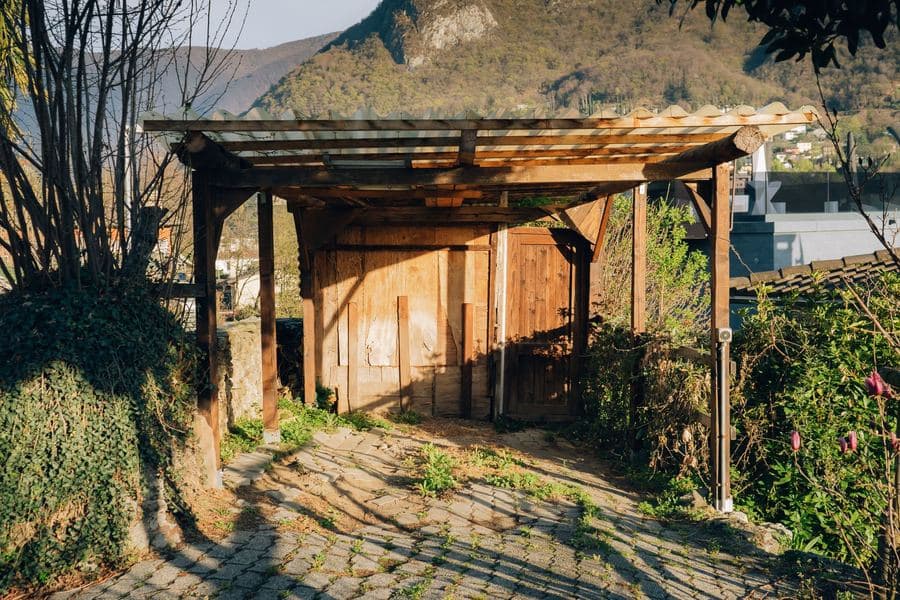
The short answer
Buy the kit if you want a published wind or snow rating, a warranty, or a structure a building department will sign off quickly — none of which you can produce yourself. Build it if the footprint, the roof pitch or the post size has to be something nobody sells, or if you want it repairable board by board forever.
Our picks at a glance
| # | Structure | Best for | Wind rating | Price |
|---|---|---|---|---|
| 01 |  Backyard Discovery Norwood Cedar GazeboThe only gazebo we can find that publishes a 100 mph wind rating and a convertible snow figure — and it converts to roughly 56 lb/ft², several times any other hardtop here. | The kit case, in one product | 100 (Pro-Tect tested; product must be anchored per the manual) | Check price on Amazon |
| 02 | 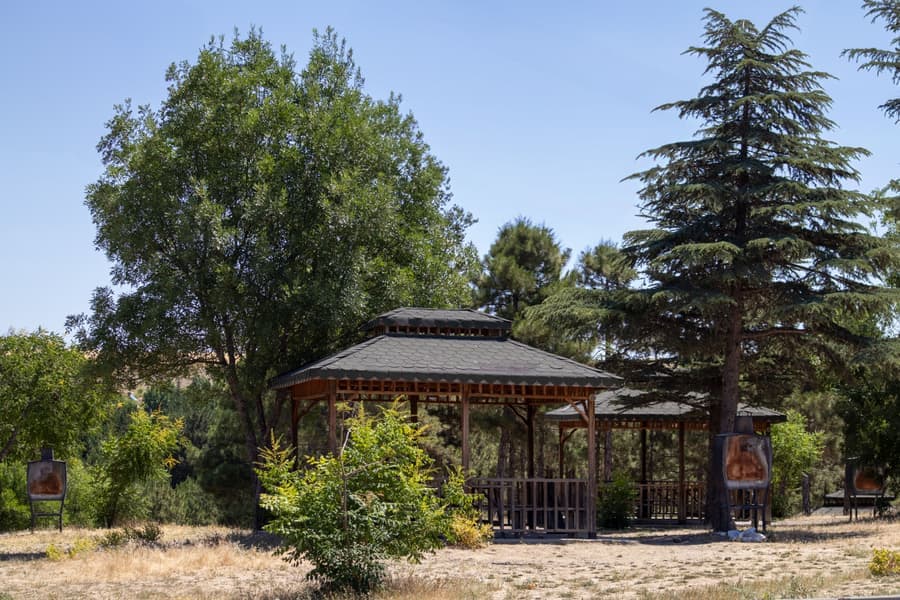 Yardistry Meridian 12 x 14 Cedar GazeboThe only structure here with 6x6 cedar posts and a five-year rot warranty — and it publishes no wind or snow figure at all. | Closest to a self-build, factory-made | Not published by manufacturer | Check price on Amazon |
| 03 | 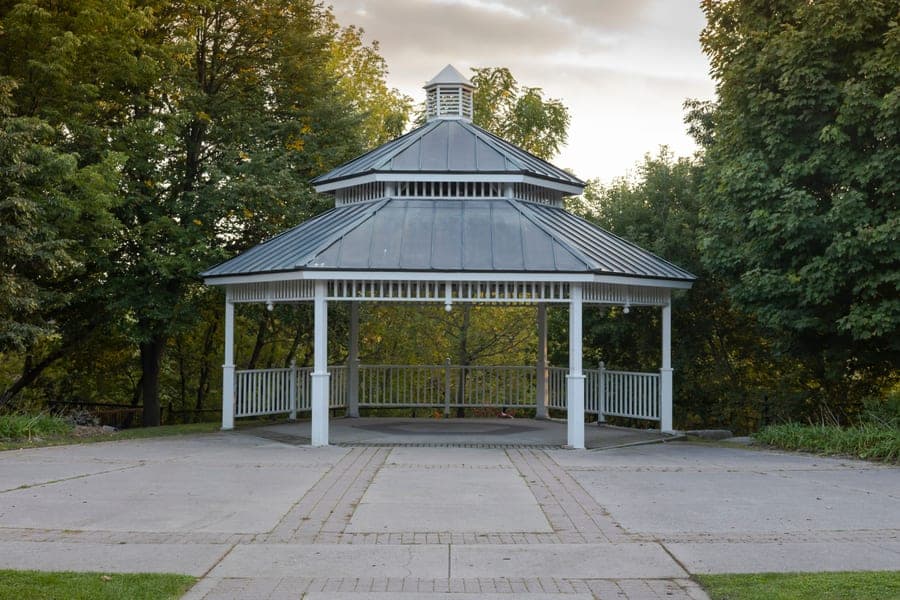 Sojag Messina Hardtop GazeboThe strongest warranty structure in the category — limited lifetime on the frame and 15 years on the finish — paired with wind and snow ratings the manufacturer describes but does not print. | The warranty argument | Not published by manufacturer | Check price on Amazon |
| 04 | 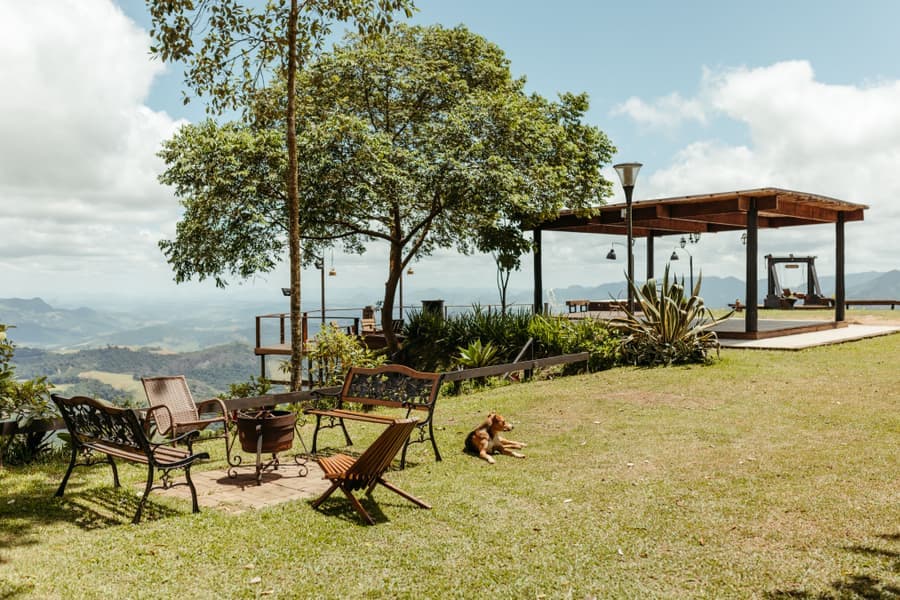 Sunjoy Kingston 12 x 14 Aluminum Gazebo with Steel RoofPublishes both a wind rating and a snow figure — but the snow figure is a whole-roof total, not a per-square-foot load, so it is not directly comparable to anyone else's. | Best if a plan checker is involved | 50 | Check price on Amazon |
The durability table
Every published figure we could source for these structures, in one place, with the manufacturer page each number came from. Where a cell reads "Not published by manufacturer", that figure does not exist in the manufacturer's own material — we do not estimate it and we do not copy one from another site.
| Model | Wind rating (mph) | Snow load | Frame | Roof | Anchoring required | Warranty | Spec source |
|---|---|---|---|---|---|---|---|
| Backyard Discovery Norwood Cedar GazeboTop pick | 100 (Pro-Tect tested; product must be anchored per the manual) | 6,700 lb across the roof, or up to 30 in. of snow (12 x 10 ft model — roughly 56 lb/ft²) | 100% cedar, 6 in. x 6 in. posts, galvanized steel hardware | 29-gauge galvanized steel peak roof, thermal insulated | Mandatory. Product must be anchored as specified in the instruction manual | 5 years | Backyard Discovery Norwood 12x10 product pageChecked 2026-09-26 |
| Yardistry Meridian 12 x 14 Cedar Gazebo | Not published by manufacturer | Not published by manufacturer | 100% premium cedar, 6 in. x 6 in. posts with heavy corner gussets | Rust-proof coffee-brown aluminum | Post mounting brackets supplied; anchoring hardware is not, because mounting surfaces vary | 1 year on materials and workmanship; 5 years on lumber against rot and decay | Yardistry Meridian 12x14 product pageChecked 2026-09-26 |
| Sojag Messina Hardtop Gazebo | Not published by manufacturer | Not published by manufacturer | Powder-coated aluminum | Galvanized steel panels | Not published by manufacturer | 1 year limited on the gazebo; limited lifetime on the aluminum/steel frame; 15 years on the powder-coated finish | Sojag hardtop gazebo collectionChecked 2026-09-26 |
| Sunjoy Kingston 12 x 14 Aluminum Gazebo with Steel Roof | 50 | 3,000 lb across the entire roof (not a per-square-foot rating) | Aluminum and steel | Galvanized steel, two-tier vented | Pre-drilled ground plates: included stakes for soft ground, expansion bolts for hard surfaces (bolts not included) | Not published by manufacturer | Sunjoy Kingston product pageChecked 2026-09-26 |
Every pick in full
The kit case, in one product
Backyard Discovery Norwood Cedar Gazebo
The only gazebo we can find that publishes a 100 mph wind rating and a convertible snow figure — and it converts to roughly 56 lb/ft², several times any other hardtop here.
- Wind rating
- 100 (Pro-Tect tested; product must be anchored per the manual)
- Snow load
- 6,700 lb across the roof, or up to 30 in. of snow (12 x 10 ft model — roughly 56 lb/ft²)
- Frame
- 100% cedar, 6 in. x 6 in. posts, galvanized steel hardware
- Roof
- 29-gauge galvanized steel peak roof, thermal insulated
- Anchoring
- Mandatory. Product must be anchored as specified in the instruction manual
- Warranty
- 5 years
- Sizes
- 10 x 10, 12 x 10, 14 x 10, 14 x 12, 16 x 12, 20 x 12 and 24 x 12 ft
The clearest answer to "what does a kit buy me" is this product's spec sheet, because almost nothing on it is reproducible in a backyard.
100 mph Pro-Tect tested wind rating, 6,700 lb of snow capacity over a 12 x 10 ft roof — roughly 56 lb/ft², or up to 30 inches of snow — with a manufacturer statement that the structure must be anchored as specified. You cannot test your own structure to 100 mph, and no amount of over-building produces a number you can hand to anybody.
The build is 100% cedar with 6 in. x 6 in. posts and galvanized steel hardware under a 29-gauge galvanized steel peak roof, thermal insulated. The posts are a section you could buy; the tested connection between them is not.
Five years of warranty. Nothing you build yourself carries one, and that asymmetry is the honest heart of this comparison — a kit transfers some of the risk to the manufacturer, and a self-build keeps all of it.
Skip it if: Your footprint is not one of the sizes sold. The Norwood runs 10 x 10 up to 24 x 12 ft, and a kit outside its range is not a kit at all.
#ad Price shown as of September 26, 2026. How this site is funded
Specifications from Backyard Discovery Norwood 12x10 product page, checked 2026-09-26.
Closest to a self-build, factory-made
Yardistry Meridian 12 x 14 Cedar Gazebo
The only structure here with 6x6 cedar posts and a five-year rot warranty — and it publishes no wind or snow figure at all.
- Wind rating
- Not published by manufacturer
- Snow load
- Not published by manufacturer
- Frame
- 100% premium cedar, 6 in. x 6 in. posts with heavy corner gussets
- Roof
- Rust-proof coffee-brown aluminum
- Anchoring
- Post mounting brackets supplied; anchoring hardware is not, because mounting surfaces vary
- Warranty
- 1 year on materials and workmanship; 5 years on lumber against rot and decay
- Sizes
- Roof 12 x 14 ft; base 10 ft 10⅜ in. x 12 ft 10⅜ in.
If what attracts you about building it yourself is heavy timber and real joinery, this is the kit that gets nearest without you cutting anything.
100% premium cedar with 6 in. x 6 in. posts and heavy corner gussets, under a rust-proof coffee-brown aluminum roof. Those are self-build sections in a factory-cut kit, and the gussets are the detail a first-time builder almost always under-does.
One year on materials and workmanship, five years on the lumber against rot and decay. The rot term is the one that matters on timber, and it is the longest offered by anyone here.
It publishes no wind or snow figure — so on the comparison that frames this page, the Meridian sits closer to a self-build than the Norwood does. What it does publish is unusually frank: post mounting brackets are supplied, anchoring hardware is not, because mounting surfaces vary. Gazebo foundation options picks up where that sentence leaves off.
Skip it if: You need a number for a plan check. Yardistry prints neither a wind nor a snow rating, which on this particular question puts it on the DIY side of the line.
#ad Price shown as of September 26, 2026. How this site is funded
Specifications from Yardistry Meridian 12x14 product page, checked 2026-09-26.
The warranty argument
Sojag Messina Hardtop Gazebo
The strongest warranty structure in the category — limited lifetime on the frame and 15 years on the finish — paired with wind and snow ratings the manufacturer describes but does not print.
- Wind rating
- Not published by manufacturer
- Snow load
- Not published by manufacturer
- Frame
- Powder-coated aluminum
- Roof
- Galvanized steel panels
- Anchoring
- Not published by manufacturer
- Warranty
- 1 year limited on the gazebo; limited lifetime on the aluminum/steel frame; 15 years on the powder-coated finish
- Sizes
- 10 x 10 ft through 12 x 20 ft
Included because the single thing a self-build can never produce is somebody else's long-term commitment to the structure.
One year limited on the gazebo, a limited lifetime warranty on the aluminum and steel frame, and fifteen years on the powder-coated finish. Three terms for three failure modes is a manufacturer that has looked at its own returns data and decided what it is prepared to stand behind.
Read the split for what it tells you about service life. A limited-lifetime frame term means Sojag does not expect the extrusion to be the thing that ends the structure. A fifteen-year finish term means the coating is the clock that actually runs — which is a piece of engineering information you would have no way to obtain about your own build.
Galvanized steel panel roof, sizes 10 x 10 ft through 12 x 20 ft, and no published wind or snow figure. Sojag commits to the product rather than to a number; Sunjoy below does the opposite.
Skip it if: The appeal of DIY for you is cost. An aluminum kit with a lifetime frame term is the expensive end of the comparison, not the cheap one.
#ad Price shown as of September 26, 2026. How this site is funded
Specifications from Sojag hardtop gazebo collection, checked 2026-09-26.
Best if a plan checker is involved
Sunjoy Kingston 12 x 14 Aluminum Gazebo with Steel Roof
Publishes both a wind rating and a snow figure — but the snow figure is a whole-roof total, not a per-square-foot load, so it is not directly comparable to anyone else's.
- Wind rating
- 50
- Snow load
- 3,000 lb across the entire roof (not a per-square-foot rating)
- Frame
- Aluminum and steel
- Roof
- Galvanized steel, two-tier vented
- Anchoring
- Pre-drilled ground plates: included stakes for soft ground, expansion bolts for hard surfaces (bolts not included)
- Warranty
- Not published by manufacturer
- Sizes
- Roof 12 x 14 ft; base 11 x 13 ft; height 11.02 ft
The moment a building department or an HOA architectural committee enters the picture, the kit-versus-DIY question mostly answers itself — and this is the product that shows why.
50 mph wind rating and 3,000 lb across the entire roof. Converted over a 12 x 14 ft roof — 168 ft² — that is roughly 17.9 lb/ft², which is a figure you can put next to a local requirement and compare. A self-build has nothing to put in that box short of an engineer's stamp.
The anchoring provision is stated plainly: pre-drilled ground plates with three holes each, stakes included for soft ground, expansion bolts for hard surfaces that are not included. A manufacturer telling you which part you still have to buy is a manufacturer whose rating you can actually act on.
No warranty term is published, which is where it loses to the Messina — and which is a useful reminder that in this category you are usually choosing between a number and a promise rather than getting both.
Skip it if: You want it to look site-built. It is an aluminum-and-steel structure and reads as one.
#ad Price shown as of September 26, 2026. How this site is funded
Specifications from Sunjoy Kingston product page, checked 2026-09-26.
What a kit buys that lumber does not
Strip out the convenience arguments and three things are left, and all three are things you cannot manufacture on a Saturday.
- A tested number. Backyard Discovery publishes 100 mph and roughly 56 lb/ft² because it tested the structure. You can build something stronger than that and still have nothing to write on a form, because the figure comes from testing rather than from section sizes. Gazebo wind ratings explains what the published figures do and do not mean.
- A warranty. Five years on cedar against rot, or a limited lifetime on an aluminum frame, is somebody else carrying part of the risk. A self-build carries all of it, and the cost of a structural failure is not the lumber — it is the demolition, the thing it fell on, and doing it twice.
- Connections that have already been got wrong once. The corner gusset, the post-to-beam joint, the roof-panel overlap and the base plate are where backyard structures fail, and a kit's versions have been through a factory's warranty claims. That is design information you are buying.
- And a parts list that is complete. Sort-of complete: Sunjoy and Yardistry both state outright that the anchoring hardware is not included. Read that as part of the price rather than as an omission.
What DIY buys that no kit can
This is not a one-sided comparison, and three of the arguments for building it are strong enough to override everything above.
- The exact footprint. Kits come in catalog sizes. If your usable space is 11 ft 4 in. wide because of a fence and a drain, no kit fits it and a self-build does. That is the single most common legitimate reason to build.
- Section sizes you choose. You can specify 6x6 posts, a steeper pitch for snow, deeper rafters, or a roof deck rated for something a catalog structure never will be. The ceiling on a self-build is your budget; the ceiling on a kit is the model.
- Repairability, forever. A timber structure you built from standard lumber can be repaired board by board for decades. A proprietary aluminum extrusion can be repaired only as long as the manufacturer stocks it — which is exactly the buy-it-for-life argument, and on this one axis DIY wins outright.
- Material cost control. You buy lumber at lumber prices rather than kit prices, and you can stage the job across seasons. What it costs instead is your time, and the honest accounting includes the two weekends you did not expect.
Side by side
The comparison as it actually falls out, with the published figures from the picks above standing in for the kit column.
| Kit | DIY | |
|---|---|---|
| Published wind rating | Available — up to 100 mph (Backyard Discovery Norwood) | None, short of an engineer's stamp |
| Published snow figure | Available — ~56 lb/ft² (Norwood) or ~17.9 lb/ft² (Sunjoy Kingston) | None, short of an engineer's stamp |
| Warranty | 1-5 yr timber, limited lifetime frame on some aluminum | None |
| Footprint | Catalog sizes only | Exactly what the space allows |
| Connections | Factory-engineered, warranty-tested | Yours to get right |
| Long-term repairability | Limited by parts availability | Board by board, indefinitely |
| Anchoring hardware | Often explicitly not included | Specified by you |
| Time to standing | A day or a weekend with help | Several weekends, realistically |
Notice which rows are empty on the DIY side. They are all the rows a third party asks about — a building department, an HOA committee, an insurer, a future buyer. If none of those is in your picture, the DIY column reads very differently.
The permit crossover
There is a size at which this stops being a preference and becomes a code question, and it is worth knowing roughly where it sits before you pick a side.
The International Residential Code exempts certain small accessory structures from a building permit — the model text covers "one-story detached accessory structures, provided that the floor area does not exceed 200 square feet". Plenty of jurisdictions adopt that threshold more or less as written, and plenty amend it; municipalities publishing their own exemption lists is common.
Two things follow, and both matter here. First, a 10 x 12 ft or 12 x 14 ft gazebo may sit either side of that line depending on where you live and how your jurisdiction measures. Second — and this is the part people miss — an exemption from a permit is not an exemption from the code. The structure still has to meet the wind and snow provisions; you simply are not being asked to prove it in advance.
Which is precisely where a kit's published rating earns its money. If a plan checker, an HOA committee or an insurer wants a number, a kit has one and a self-build does not. Call your building department before you choose — the questions to ask are set out on pergola permits and HOA rules, and they are the same questions for a gazebo.
What we would actually do
If a permit, an HOA committee or an insurer is involved: buy the kit, and buy one that publishes figures. The Backyard Discovery Norwood's 100 mph and roughly 56 lb/ft², or the Sunjoy Kingston's 50 mph and 17.9 lb/ft², are the only things in this entire comparison that answer a third party's question.
If the space is an awkward shape and nobody is asking: build it. No kit fits an 11 ft 4 in. gap, and a structure you built from standard lumber is the most repairable thing in this article.
If you want heavy timber without cutting it: the Yardistry Meridian. 6x6 cedar, heavy corner gussets and a five-year rot warranty is a self-build's materials with a factory's joinery — accepting that it publishes no rating.
And if you want somebody on the hook for twenty years: the Sojag Messina, for the limited-lifetime frame term. That is the one thing on this page that neither lumber nor labor can buy.
Whichever side you land on, the foundation and the anchoring are yours either way. Half these kits state in their own copy that the anchoring hardware is not in the box, and a self-build never had any. How to anchor a gazebo is the method.
Questions people ask
Is it cheaper to build a gazebo or buy a kit?
Is a gazebo kit worth it?
Can I get a wind rating for a gazebo I built myself?
Do I need a permit to build a gazebo?
How long does a gazebo kit take to assemble?
Is a wooden or metal gazebo kit better?
Does a gazebo kit come with anchoring hardware?
What is the hardest part of building a gazebo yourself?
Where these figures came from
- Backyard Discovery Norwood 12 x 10 — 100 mph Pro-Tect tested wind rating, 6,700 lb / 30 in. snow figure, 6x6 cedar posts, 29-gauge steel roof, 5-year warranty, mandatory anchoring
- Yardistry Meridian 12 x 14 — 6x6 cedar posts with heavy corner gussets, aluminum roof, 1-year materials and 5-year rot warranty, post brackets supplied without anchoring hardware
- Sojag hardtop gazebo collection — 1 year limited on the gazebo, limited lifetime on the aluminum/steel frame, 15 years on the powder-coated finish, 10 x 10 to 12 x 20 ft
- Sunjoy Kingston 12 x 14 — 50 mph wind rating, 3,000 lb roof figure, pre-drilled ground plates with stakes included and expansion bolts not included
- City of Federal Way, WA — residential permit exemptions reproducing IRC R105.2, including "one-story detached accessory structures, provided that the floor area does not exceed 200 square feet"
Found an error? Tell us and we will correct it within seven days and note the change on the page with a dated line — see our editorial policy.